
AES - 在tiny-AES-c基础上封装了2个应用函数(加密/解密)
文章目录
- AES - 在tiny-AES-c基础上封装了2个应用函数(加密/解密)
- 概述
- 增加2个封装函数的AES库
- aes.h
- aes.c
- 在官方测试程序上改的测试程序(用来测试这2个封装函数)
- END
AES - 在tiny-AES-c基础上封装了2个应用函数(加密/解密)
概述
在github山有个星数很高的AES的C库 tiny-AES-c (https://github.com/kokke/tiny-AES-c.git)
这个库用起来挺好的, 但是需要自己考虑key, iv, data的对齐问题.
我对 AES256 + CBC 封装了2个函数, 调用方只需要给出key, iv, in_data, out_data, 只要有数据就行, 不需要考虑对齐(key, iv, data), 其他调用库之前的预操作, 都在封装函数内做了.
初步测试一下, 好使. 有啥bug能用的时候再改.
封装函数的调用例子
void my_test_encrypt_cbc_ex()
{const char* pKey = "my_key";const char* pIv = "my_iv";const char* pIn = "hello world";uint8_t* pszOut = new uint8_t[strlen(pIn) + 32];size_t len_Out = strlen(pIn) + 32;bool b_rc = false;b_rc = AES256_CBC_encrypt_buffer_ex((uint8_t*)pKey, (int)strlen(pKey), (uint8_t*)pIv, (int)strlen(pIv), (uint8_t*)pIn, (size_t)strlen(pIn), (uint8_t*)pszOut, &len_Out);assert(true == b_rc);showBufHex("out buf", pszOut, len_Out);uint8_t* pszDecrypt = new uint8_t[len_Out];size_t lenDecrypt = len_Out;b_rc = AES256_CBC_decrypt_buffer_ex((uint8_t*)pKey, (int)strlen(pKey), (uint8_t*)pIv, (int)strlen(pIv), (uint8_t*)pszOut, len_Out, (uint8_t*)pszDecrypt, &lenDecrypt);assert(true == b_rc);pszDecrypt[lenDecrypt] = 0x00;printf("descrypt data = [%s]\n", pszDecrypt);if (NULL != pszOut){delete []pszOut;pszOut = NULL;}if (NULL != pszDecrypt){delete[]pszDecrypt;pszDecrypt = NULL;}
}
增加2个封装函数的AES库
aes.h
#ifndef _AES_H_
#define _AES_H_#include <stdint.h>
#include <stddef.h>
#include <stdbool.h> // for bool// Enable ECB, CTR and CBC mode. Note this can be done before including aes.h or at compile-time.
// E.g. with GCC by using the -D flag: gcc -c aes.c -DCBC=0 -DCTR=1 -DECB=1
#define CBC 1 // cbc好一些
#define CTR 1
#define ECB 1// #define the macros below to 1/0 to enable/disable the mode of operation.
//
// CBC enables AES encryption in CBC-mode of operation.
// CTR enables encryption in counter-mode.
// ECB enables the basic ECB 16-byte block algorithm. All can be enabled simultaneously.// The #ifndef-guard allows it to be configured before #include'ing or at compile time.
#ifndef CBC
#define CBC 1
#endif#ifndef ECB
#define ECB 1
#endif#ifndef CTR
#define CTR 1
#endif// #define AES128 1
// #define AES192 1
#define AES256 1#define AES_BLOCKLEN 16 // Block length in bytes - AES is 128b block only#if defined(AES256) && (AES256 == 1)
#define AES_KEYLEN 32
#define AES_keyExpSize 240
#elif defined(AES192) && (AES192 == 1)
#define AES_KEYLEN 24
#define AES_keyExpSize 208
#else
#define AES_KEYLEN 16   // Key length in bytes
#define AES_keyExpSize 176
#endifstruct AES_ctx
{uint8_t RoundKey[AES_keyExpSize];
#if (defined(CBC) && (CBC == 1)) || (defined(CTR) && (CTR == 1))uint8_t Iv[AES_BLOCKLEN];
#endif
};void AES_init_ctx(struct AES_ctx* ctx, const uint8_t* key);
#if (defined(CBC) && (CBC == 1)) || (defined(CTR) && (CTR == 1))
void AES_init_ctx_iv(struct AES_ctx* ctx, const uint8_t* key, const uint8_t* iv);
void AES_ctx_set_iv(struct AES_ctx* ctx, const uint8_t* iv);
#endif#if defined(ECB) && (ECB == 1)
// buffer size is exactly AES_BLOCKLEN bytes;
// you need only AES_init_ctx as IV is not used in ECB
// NB: ECB is considered insecure for most uses
void AES_ECB_encrypt(const struct AES_ctx* ctx, uint8_t* buf);
void AES_ECB_decrypt(const struct AES_ctx* ctx, uint8_t* buf);#endif // #if defined(ECB) && (ECB == !)#if defined(CBC) && (CBC == 1)
// buffer size MUST be mutile of AES_BLOCKLEN;
// Suggest https://en.wikipedia.org/wiki/Padding_(cryptography)#PKCS7 for padding scheme
// NOTES: you need to set IV in ctx via AES_init_ctx_iv() or AES_ctx_set_iv()
//        no IV should ever be reused with the same key
void AES_CBC_encrypt_buffer(struct AES_ctx* ctx, uint8_t* buf, size_t length);
void AES_CBC_decrypt_buffer(struct AES_ctx* ctx, uint8_t* buf, size_t length);// 封装的AES_CBC加解密, 只要送入数据(key/iv/bu)和长度(len_key/len_iv/len_buf), 函数里面自己处理(key/iv的对齐(截断或填充)加解密初始化/块尾部填充)
bool AES256_CBC_encrypt_buffer_ex(uint8_t* key, int len_key, uint8_t* iv, int len_iv, uint8_t* buf_in, size_t len_buf_in, uint8_t* buf_out, size_t* len_buf_out);
bool AES256_CBC_decrypt_buffer_ex(uint8_t* key, int len_key, uint8_t* iv, int len_iv, uint8_t* buf_in, size_t len_buf_in, uint8_t* buf_out, size_t* len_buf_out);#endif // #if defined(CBC) && (CBC == 1)#if defined(CTR) && (CTR == 1)// Same function for encrypting as for decrypting.
// IV is incremented for every block, and used after encryption as XOR-compliment for output
// Suggesting https://en.wikipedia.org/wiki/Padding_(cryptography)#PKCS7 for padding scheme
// NOTES: you need to set IV in ctx with AES_init_ctx_iv() or AES_ctx_set_iv()
//        no IV should ever be reused with the same key
void AES_CTR_xcrypt_buffer(struct AES_ctx* ctx, uint8_t* buf, size_t length);#endif // #if defined(CTR) && (CTR == 1)#endif // _AES_H_
aes.c
/*This is an implementation of the AES algorithm, specifically ECB, CTR and CBC mode.
Block size can be chosen in aes.h - available choices are AES128, AES192, AES256.The implementation is verified against the test vectors in:National Institute of Standards and Technology Special Publication 800-38A 2001 EDECB-AES128
----------plain-text:6bc1bee22e409f96e93d7e117393172aae2d8a571e03ac9c9eb76fac45af8e5130c81c46a35ce411e5fbc1191a0a52eff69f2445df4f9b17ad2b417be66c3710key:2b7e151628aed2a6abf7158809cf4f3cresulting cipher3ad77bb40d7a3660a89ecaf32466ef97f5d3d58503b9699de785895a96fdbaaf43b1cd7f598ece23881b00e3ed0306887b0c785e27e8ad3f8223207104725dd4NOTE:   String length must be evenly divisible by 16byte (str_len % 16 == 0)You should pad the end of the string with zeros if this is not the case.For AES192/256 the key size is proportionally larger.*//*****************************************************************************/
/* Includes:                                                                 */
/*****************************************************************************/
#include <string.h> // CBC mode, for memset
#include "aes.h"/*****************************************************************************/
/* Defines:                                                                  */
/*****************************************************************************/
// The number of columns comprising a state in AES. This is a constant in AES. Value=4
#define Nb 4#if defined(AES256) && (AES256 == 1)
#define Nk 8
#define Nr 14
#elif defined(AES192) && (AES192 == 1)
#define Nk 6
#define Nr 12
#else
#define Nk 4        // The number of 32 bit words in a key.
#define Nr 10       // The number of rounds in AES Cipher.
#endif// jcallan@github points out that declaring Multiply as a function
// reduces code size considerably with the Keil ARM compiler.
// See this link for more information: https://github.com/kokke/tiny-AES-C/pull/3
#ifndef MULTIPLY_AS_A_FUNCTION
#define MULTIPLY_AS_A_FUNCTION 0
#endif/*****************************************************************************/
/* Private variables:                                                        */
/*****************************************************************************/
// state - array holding the intermediate results during decryption.
typedef uint8_t state_t[4][4];// The lookup-tables are marked const so they can be placed in read-only storage instead of RAM
// The numbers below can be computed dynamically trading ROM for RAM -
// This can be useful in (embedded) bootloader applications, where ROM is often limited.
static const uint8_t sbox[256] = {//0     1    2      3     4    5     6     7      8    9     A      B    C     D     E     F0x63, 0x7c, 0x77, 0x7b, 0xf2, 0x6b, 0x6f, 0xc5, 0x30, 0x01, 0x67, 0x2b, 0xfe, 0xd7, 0xab, 0x76,0xca, 0x82, 0xc9, 0x7d, 0xfa, 0x59, 0x47, 0xf0, 0xad, 0xd4, 0xa2, 0xaf, 0x9c, 0xa4, 0x72, 0xc0,0xb7, 0xfd, 0x93, 0x26, 0x36, 0x3f, 0xf7, 0xcc, 0x34, 0xa5, 0xe5, 0xf1, 0x71, 0xd8, 0x31, 0x15,0x04, 0xc7, 0x23, 0xc3, 0x18, 0x96, 0x05, 0x9a, 0x07, 0x12, 0x80, 0xe2, 0xeb, 0x27, 0xb2, 0x75,0x09, 0x83, 0x2c, 0x1a, 0x1b, 0x6e, 0x5a, 0xa0, 0x52, 0x3b, 0xd6, 0xb3, 0x29, 0xe3, 0x2f, 0x84,0x53, 0xd1, 0x00, 0xed, 0x20, 0xfc, 0xb1, 0x5b, 0x6a, 0xcb, 0xbe, 0x39, 0x4a, 0x4c, 0x58, 0xcf,0xd0, 0xef, 0xaa, 0xfb, 0x43, 0x4d, 0x33, 0x85, 0x45, 0xf9, 0x02, 0x7f, 0x50, 0x3c, 0x9f, 0xa8,0x51, 0xa3, 0x40, 0x8f, 0x92, 0x9d, 0x38, 0xf5, 0xbc, 0xb6, 0xda, 0x21, 0x10, 0xff, 0xf3, 0xd2,0xcd, 0x0c, 0x13, 0xec, 0x5f, 0x97, 0x44, 0x17, 0xc4, 0xa7, 0x7e, 0x3d, 0x64, 0x5d, 0x19, 0x73,0x60, 0x81, 0x4f, 0xdc, 0x22, 0x2a, 0x90, 0x88, 0x46, 0xee, 0xb8, 0x14, 0xde, 0x5e, 0x0b, 0xdb,0xe0, 0x32, 0x3a, 0x0a, 0x49, 0x06, 0x24, 0x5c, 0xc2, 0xd3, 0xac, 0x62, 0x91, 0x95, 0xe4, 0x79,0xe7, 0xc8, 0x37, 0x6d, 0x8d, 0xd5, 0x4e, 0xa9, 0x6c, 0x56, 0xf4, 0xea, 0x65, 0x7a, 0xae, 0x08,0xba, 0x78, 0x25, 0x2e, 0x1c, 0xa6, 0xb4, 0xc6, 0xe8, 0xdd, 0x74, 0x1f, 0x4b, 0xbd, 0x8b, 0x8a,0x70, 0x3e, 0xb5, 0x66, 0x48, 0x03, 0xf6, 0x0e, 0x61, 0x35, 0x57, 0xb9, 0x86, 0xc1, 0x1d, 0x9e,0xe1, 0xf8, 0x98, 0x11, 0x69, 0xd9, 0x8e, 0x94, 0x9b, 0x1e, 0x87, 0xe9, 0xce, 0x55, 0x28, 0xdf,0x8c, 0xa1, 0x89, 0x0d, 0xbf, 0xe6, 0x42, 0x68, 0x41, 0x99, 0x2d, 0x0f, 0xb0, 0x54, 0xbb, 0x16 };#if (defined(CBC) && CBC == 1) || (defined(ECB) && ECB == 1)
static const uint8_t rsbox[256] = {0x52, 0x09, 0x6a, 0xd5, 0x30, 0x36, 0xa5, 0x38, 0xbf, 0x40, 0xa3, 0x9e, 0x81, 0xf3, 0xd7, 0xfb,0x7c, 0xe3, 0x39, 0x82, 0x9b, 0x2f, 0xff, 0x87, 0x34, 0x8e, 0x43, 0x44, 0xc4, 0xde, 0xe9, 0xcb,0x54, 0x7b, 0x94, 0x32, 0xa6, 0xc2, 0x23, 0x3d, 0xee, 0x4c, 0x95, 0x0b, 0x42, 0xfa, 0xc3, 0x4e,0x08, 0x2e, 0xa1, 0x66, 0x28, 0xd9, 0x24, 0xb2, 0x76, 0x5b, 0xa2, 0x49, 0x6d, 0x8b, 0xd1, 0x25,0x72, 0xf8, 0xf6, 0x64, 0x86, 0x68, 0x98, 0x16, 0xd4, 0xa4, 0x5c, 0xcc, 0x5d, 0x65, 0xb6, 0x92,0x6c, 0x70, 0x48, 0x50, 0xfd, 0xed, 0xb9, 0xda, 0x5e, 0x15, 0x46, 0x57, 0xa7, 0x8d, 0x9d, 0x84,0x90, 0xd8, 0xab, 0x00, 0x8c, 0xbc, 0xd3, 0x0a, 0xf7, 0xe4, 0x58, 0x05, 0xb8, 0xb3, 0x45, 0x06,0xd0, 0x2c, 0x1e, 0x8f, 0xca, 0x3f, 0x0f, 0x02, 0xc1, 0xaf, 0xbd, 0x03, 0x01, 0x13, 0x8a, 0x6b,0x3a, 0x91, 0x11, 0x41, 0x4f, 0x67, 0xdc, 0xea, 0x97, 0xf2, 0xcf, 0xce, 0xf0, 0xb4, 0xe6, 0x73,0x96, 0xac, 0x74, 0x22, 0xe7, 0xad, 0x35, 0x85, 0xe2, 0xf9, 0x37, 0xe8, 0x1c, 0x75, 0xdf, 0x6e,0x47, 0xf1, 0x1a, 0x71, 0x1d, 0x29, 0xc5, 0x89, 0x6f, 0xb7, 0x62, 0x0e, 0xaa, 0x18, 0xbe, 0x1b,0xfc, 0x56, 0x3e, 0x4b, 0xc6, 0xd2, 0x79, 0x20, 0x9a, 0xdb, 0xc0, 0xfe, 0x78, 0xcd, 0x5a, 0xf4,0x1f, 0xdd, 0xa8, 0x33, 0x88, 0x07, 0xc7, 0x31, 0xb1, 0x12, 0x10, 0x59, 0x27, 0x80, 0xec, 0x5f,0x60, 0x51, 0x7f, 0xa9, 0x19, 0xb5, 0x4a, 0x0d, 0x2d, 0xe5, 0x7a, 0x9f, 0x93, 0xc9, 0x9c, 0xef,0xa0, 0xe0, 0x3b, 0x4d, 0xae, 0x2a, 0xf5, 0xb0, 0xc8, 0xeb, 0xbb, 0x3c, 0x83, 0x53, 0x99, 0x61,0x17, 0x2b, 0x04, 0x7e, 0xba, 0x77, 0xd6, 0x26, 0xe1, 0x69, 0x14, 0x63, 0x55, 0x21, 0x0c, 0x7d };
#endif// The round constant word array, Rcon[i], contains the values given by
// x to the power (i-1) being powers of x (x is denoted as {02}) in the field GF(2^8)
static const uint8_t Rcon[11] = {0x8d, 0x01, 0x02, 0x04, 0x08, 0x10, 0x20, 0x40, 0x80, 0x1b, 0x36 };/** Jordan Goulder points out in PR #12 (https://github.com/kokke/tiny-AES-C/pull/12),* that you can remove most of the elements in the Rcon array, because they are unused.** From Wikipedia's article on the Rijndael key schedule @ https://en.wikipedia.org/wiki/Rijndael_key_schedule#Rcon** "Only the first some of these constants are actually used – up to rcon[10] for AES-128 (as 11 round keys are needed),*  up to rcon[8] for AES-192, up to rcon[7] for AES-256. rcon[0] is not used in AES algorithm."*//*****************************************************************************//* Private functions:                                                        *//*****************************************************************************//*static uint8_t getSBoxValue(uint8_t num){return sbox[num];}*/
#define getSBoxValue(num) (sbox[(num)])// This function produces Nb(Nr+1) round keys. The round keys are used in each round to decrypt the states.
static void KeyExpansion(uint8_t* RoundKey, const uint8_t* Key)
{unsigned i, j, k;uint8_t tempa[4]; // Used for the column/row operations// The first round key is the key itself.for (i = 0; i < Nk; ++i){RoundKey[(i * 4) + 0] = Key[(i * 4) + 0];RoundKey[(i * 4) + 1] = Key[(i * 4) + 1];RoundKey[(i * 4) + 2] = Key[(i * 4) + 2];RoundKey[(i * 4) + 3] = Key[(i * 4) + 3];}// All other round keys are found from the previous round keys.for (i = Nk; i < Nb * (Nr + 1); ++i){{k = (i - 1) * 4;tempa[0] = RoundKey[k + 0];tempa[1] = RoundKey[k + 1];tempa[2] = RoundKey[k + 2];tempa[3] = RoundKey[k + 3];}if (i % Nk == 0){// This function shifts the 4 bytes in a word to the left once.// [a0,a1,a2,a3] becomes [a1,a2,a3,a0]// Function RotWord(){const uint8_t u8tmp = tempa[0];tempa[0] = tempa[1];tempa[1] = tempa[2];tempa[2] = tempa[3];tempa[3] = u8tmp;}// SubWord() is a function that takes a four-byte input word and // applies the S-box to each of the four bytes to produce an output word.// Function Subword(){tempa[0] = getSBoxValue(tempa[0]);tempa[1] = getSBoxValue(tempa[1]);tempa[2] = getSBoxValue(tempa[2]);tempa[3] = getSBoxValue(tempa[3]);}tempa[0] = tempa[0] ^ Rcon[i / Nk];}
#if defined(AES256) && (AES256 == 1)if (i % Nk == 4){// Function Subword(){tempa[0] = getSBoxValue(tempa[0]);tempa[1] = getSBoxValue(tempa[1]);tempa[2] = getSBoxValue(tempa[2]);tempa[3] = getSBoxValue(tempa[3]);}}
#endifj = i * 4; k = (i - Nk) * 4;RoundKey[j + 0] = RoundKey[k + 0] ^ tempa[0];RoundKey[j + 1] = RoundKey[k + 1] ^ tempa[1];RoundKey[j + 2] = RoundKey[k + 2] ^ tempa[2];RoundKey[j + 3] = RoundKey[k + 3] ^ tempa[3];}
}void AES_init_ctx(struct AES_ctx* ctx, const uint8_t* key)
{KeyExpansion(ctx->RoundKey, key);
}
#if (defined(CBC) && (CBC == 1)) || (defined(CTR) && (CTR == 1))
void AES_init_ctx_iv(struct AES_ctx* ctx, const uint8_t* key, const uint8_t* iv)
{KeyExpansion(ctx->RoundKey, key);memcpy(ctx->Iv, iv, AES_BLOCKLEN);
}
void AES_ctx_set_iv(struct AES_ctx* ctx, const uint8_t* iv)
{memcpy(ctx->Iv, iv, AES_BLOCKLEN);
}
#endif// This function adds the round key to state.
// The round key is added to the state by an XOR function.
static void AddRoundKey(uint8_t round, state_t* state, const uint8_t* RoundKey)
{uint8_t i, j;for (i = 0; i < 4; ++i){for (j = 0; j < 4; ++j){(*state)[i][j] ^= RoundKey[(round * Nb * 4) + (i * Nb) + j];}}
}// The SubBytes Function Substitutes the values in the
// state matrix with values in an S-box.
static void SubBytes(state_t* state)
{uint8_t i, j;for (i = 0; i < 4; ++i){for (j = 0; j < 4; ++j){(*state)[j][i] = getSBoxValue((*state)[j][i]);}}
}// The ShiftRows() function shifts the rows in the state to the left.
// Each row is shifted with different offset.
// Offset = Row number. So the first row is not shifted.
static void ShiftRows(state_t* state)
{uint8_t temp;// Rotate first row 1 columns to left  temp = (*state)[0][1];(*state)[0][1] = (*state)[1][1];(*state)[1][1] = (*state)[2][1];(*state)[2][1] = (*state)[3][1];(*state)[3][1] = temp;// Rotate second row 2 columns to left  temp = (*state)[0][2];(*state)[0][2] = (*state)[2][2];(*state)[2][2] = temp;temp = (*state)[1][2];(*state)[1][2] = (*state)[3][2];(*state)[3][2] = temp;// Rotate third row 3 columns to lefttemp = (*state)[0][3];(*state)[0][3] = (*state)[3][3];(*state)[3][3] = (*state)[2][3];(*state)[2][3] = (*state)[1][3];(*state)[1][3] = temp;
}static uint8_t xtime(uint8_t x)
{return ((x << 1) ^ (((x >> 7) & 1) * 0x1b));
}// MixColumns function mixes the columns of the state matrix
static void MixColumns(state_t* state)
{uint8_t i;uint8_t Tmp, Tm, t;for (i = 0; i < 4; ++i){t = (*state)[i][0];Tmp = (*state)[i][0] ^ (*state)[i][1] ^ (*state)[i][2] ^ (*state)[i][3];Tm = (*state)[i][0] ^ (*state)[i][1]; Tm = xtime(Tm);  (*state)[i][0] ^= Tm ^ Tmp;Tm = (*state)[i][1] ^ (*state)[i][2]; Tm = xtime(Tm);  (*state)[i][1] ^= Tm ^ Tmp;Tm = (*state)[i][2] ^ (*state)[i][3]; Tm = xtime(Tm);  (*state)[i][2] ^= Tm ^ Tmp;Tm = (*state)[i][3] ^ t;              Tm = xtime(Tm);  (*state)[i][3] ^= Tm ^ Tmp;}
}// Multiply is used to multiply numbers in the field GF(2^8)
// Note: The last call to xtime() is unneeded, but often ends up generating a smaller binary
//       The compiler seems to be able to vectorize the operation better this way.
//       See https://github.com/kokke/tiny-AES-c/pull/34
#if MULTIPLY_AS_A_FUNCTION
static uint8_t Multiply(uint8_t x, uint8_t y)
{return (((y & 1) * x) ^((y >> 1 & 1) * xtime(x)) ^((y >> 2 & 1) * xtime(xtime(x))) ^((y >> 3 & 1) * xtime(xtime(xtime(x)))) ^((y >> 4 & 1) * xtime(xtime(xtime(xtime(x)))))); /* this last call to xtime() can be omitted */
}
#else
#define Multiply(x, y)                                \(  ((y & 1) * x) ^                              \((y>>1 & 1) * xtime(x)) ^                       \((y>>2 & 1) * xtime(xtime(x))) ^                \((y>>3 & 1) * xtime(xtime(xtime(x)))) ^         \((y>>4 & 1) * xtime(xtime(xtime(xtime(x))))))   \

#endif#if (defined(CBC) && CBC == 1) || (defined(ECB) && ECB == 1)
/*
static uint8_t getSBoxInvert(uint8_t num)
{return rsbox[num];
}
*/
#define getSBoxInvert(num) (rsbox[(num)])// MixColumns function mixes the columns of the state matrix.
// The method used to multiply may be difficult to understand for the inexperienced.
// Please use the references to gain more information.
static void InvMixColumns(state_t* state)
{int i;uint8_t a, b, c, d;for (i = 0; i < 4; ++i){a = (*state)[i][0];b = (*state)[i][1];c = (*state)[i][2];d = (*state)[i][3];(*state)[i][0] = Multiply(a, 0x0e) ^ Multiply(b, 0x0b) ^ Multiply(c, 0x0d) ^ Multiply(d, 0x09);(*state)[i][1] = Multiply(a, 0x09) ^ Multiply(b, 0x0e) ^ Multiply(c, 0x0b) ^ Multiply(d, 0x0d);(*state)[i][2] = Multiply(a, 0x0d) ^ Multiply(b, 0x09) ^ Multiply(c, 0x0e) ^ Multiply(d, 0x0b);(*state)[i][3] = Multiply(a, 0x0b) ^ Multiply(b, 0x0d) ^ Multiply(c, 0x09) ^ Multiply(d, 0x0e);}
}// The SubBytes Function Substitutes the values in the
// state matrix with values in an S-box.
static void InvSubBytes(state_t* state)
{uint8_t i, j;for (i = 0; i < 4; ++i){for (j = 0; j < 4; ++j){(*state)[j][i] = getSBoxInvert((*state)[j][i]);}}
}static void InvShiftRows(state_t* state)
{uint8_t temp;// Rotate first row 1 columns to right  temp = (*state)[3][1];(*state)[3][1] = (*state)[2][1];(*state)[2][1] = (*state)[1][1];(*state)[1][1] = (*state)[0][1];(*state)[0][1] = temp;// Rotate second row 2 columns to right temp = (*state)[0][2];(*state)[0][2] = (*state)[2][2];(*state)[2][2] = temp;temp = (*state)[1][2];(*state)[1][2] = (*state)[3][2];(*state)[3][2] = temp;// Rotate third row 3 columns to righttemp = (*state)[0][3];(*state)[0][3] = (*state)[1][3];(*state)[1][3] = (*state)[2][3];(*state)[2][3] = (*state)[3][3];(*state)[3][3] = temp;
}
#endif // #if (defined(CBC) && CBC == 1) || (defined(ECB) && ECB == 1)// Cipher is the main function that encrypts the PlainText.
static void Cipher(state_t* state, const uint8_t* RoundKey)
{uint8_t round = 0;// Add the First round key to the state before starting the rounds.AddRoundKey(0, state, RoundKey);// There will be Nr rounds.// The first Nr-1 rounds are identical.// These Nr rounds are executed in the loop below.// Last one without MixColumns()for (round = 1; ; ++round){SubBytes(state);ShiftRows(state);if (round == Nr) {break;}MixColumns(state);AddRoundKey(round, state, RoundKey);}// Add round key to last roundAddRoundKey(Nr, state, RoundKey);
}#if (defined(CBC) && CBC == 1) || (defined(ECB) && ECB == 1)
static void InvCipher(state_t* state, const uint8_t* RoundKey)
{uint8_t round = 0;// Add the First round key to the state before starting the rounds.AddRoundKey(Nr, state, RoundKey);// There will be Nr rounds.// The first Nr-1 rounds are identical.// These Nr rounds are executed in the loop below.// Last one without InvMixColumn()for (round = (Nr - 1); ; --round){InvShiftRows(state);InvSubBytes(state);AddRoundKey(round, state, RoundKey);if (round == 0) {break;}InvMixColumns(state);}}
#endif // #if (defined(CBC) && CBC == 1) || (defined(ECB) && ECB == 1)/*****************************************************************************/
/* Public functions:                                                         */
/*****************************************************************************/
#if defined(ECB) && (ECB == 1)void AES_ECB_encrypt(const struct AES_ctx* ctx, uint8_t* buf)
{// The next function call encrypts the PlainText with the Key using AES algorithm.Cipher((state_t*)buf, ctx->RoundKey);
}void AES_ECB_decrypt(const struct AES_ctx* ctx, uint8_t* buf)
{// The next function call decrypts the PlainText with the Key using AES algorithm.InvCipher((state_t*)buf, ctx->RoundKey);
}#endif // #if defined(ECB) && (ECB == 1)#if defined(CBC) && (CBC == 1)static void XorWithIv(uint8_t* buf, const uint8_t* Iv)
{uint8_t i;for (i = 0; i < AES_BLOCKLEN; ++i) // The block in AES is always 128bit no matter the key size{buf[i] ^= Iv[i];}
}void AES_CBC_encrypt_buffer(struct AES_ctx* ctx, uint8_t* buf, size_t length)
{size_t i;uint8_t* Iv = ctx->Iv;for (i = 0; i < length; i += AES_BLOCKLEN){XorWithIv(buf, Iv);Cipher((state_t*)buf, ctx->RoundKey);Iv = buf;buf += AES_BLOCKLEN;}/* store Iv in ctx for next call */memcpy(ctx->Iv, Iv, AES_BLOCKLEN);
}void AES_CBC_decrypt_buffer(struct AES_ctx* ctx, uint8_t* buf, size_t length)
{size_t i;uint8_t storeNextIv[AES_BLOCKLEN];for (i = 0; i < length; i += AES_BLOCKLEN){memcpy(storeNextIv, buf, AES_BLOCKLEN);InvCipher((state_t*)buf, ctx->RoundKey);XorWithIv(buf, ctx->Iv);memcpy(ctx->Iv, storeNextIv, AES_BLOCKLEN);buf += AES_BLOCKLEN;}}static bool safe_fill_buf(uint8_t* pBufDst, size_t len_bufDst, uint8_t* pBufSrc, size_t len_bufSrc)
{bool b_rc = false;uint8_t* pBufDstCur = NULL;size_t len_bufDstCur = 0;size_t len_to_copy = 0;do {if ((NULL == pBufDst) || (len_bufDst <= 0)){break;}if ((NULL == pBufSrc) || (len_bufSrc <= 0)){break;}if (len_bufDst <= len_bufSrc){memcpy(pBufDst, pBufSrc, len_bufDst);}else {// 将pBufSrc依次附加到pBufDst, 直到将pBufDst填满pBufDstCur = pBufDst;len_bufDstCur = len_bufDst;len_to_copy = len_bufSrc;do {if (len_bufDstCur <= len_to_copy){len_to_copy = len_bufDstCur;}memcpy(pBufDstCur, pBufSrc, len_to_copy);len_bufDstCur -= len_to_copy;pBufDstCur += len_to_copy;} while (len_bufDstCur > 0);}b_rc = true;} while (false);return b_rc;
}static bool buf_add_padding(uint8_t* buf, size_t len_buf, size_t len_data, size_t* len_out_with_padding)
{bool b_rc = false;int iMod16 = 0;int iPaddingLen = 0;int i = 0;uint8_t* pBufCur = NULL;do {// 只有 (len_data > 0) 满足时, 才能加paddingif ((NULL == buf) || (len_data <= 0) || ((len_buf - len_data) < 32) || (NULL == len_out_with_padding)){break;}iPaddingLen = 0x10; // 即使原始数据长度是0x10的倍数, 也需要加0x10个padding, 这样才能区分出原始数据iMod16 = len_data % 0x10;if (iMod16 > 0){iPaddingLen += (0x10 - iMod16); // 最多加31个padding}*len_out_with_padding = (len_data + iPaddingLen);pBufCur = buf;for (i = 0; i < iPaddingLen; i++){*(pBufCur + len_data + i) = (uint8_t)iPaddingLen;}b_rc = true;} while (false);return b_rc;
}bool AES256_CBC_encrypt_buffer_ex(uint8_t* key, int len_key, uint8_t* iv, int len_iv, uint8_t* buf_in, size_t len_buf_in, uint8_t* buf_out, size_t* len_buf_out)
{bool b_rc = false;struct AES_ctx ctx;// key = 32bytesuint8_t key_new[32];// iv = 16 bytesuint8_t iv_new[16];// 要求给出的输出buf长度 = (buf_in_len + 32)// in = 16的倍数, 如果原始输入不够16倍数, 填充(16 + N%16)个字节, 填充的字节为0x10 ~ (0x10 + N%16)// 如果输入数据len = 16 x N + 0, 那么填充0x10个0x10// 如果输入数据len = 16 x N + 1, 那么填充0x11个0x11// 解密数据后, 用返回的buf_out内容和len_buf_out长度, 函数内会处理好// 原始数据长度 >0就行, 会处理成加密输入数据// 输入数据的长度必须 >= 32(包括填充的16 + N%16 个字节)do {// 处理key的对齐if ((NULL == key) || (len_key <= 0)){break;}if (!safe_fill_buf(key_new, sizeof(key_new), key, len_key)){break;}// 处理iv的对齐if ((NULL == iv) || (len_iv <= 0)){break;}if (!safe_fill_buf(iv_new, sizeof(iv_new), iv, len_iv)){break;}// 处理buf的对齐if ((NULL == buf_in) || (len_buf_in <= 0)){break;}if ((NULL == buf_out) || (NULL == len_buf_out) || (*len_buf_out <= 0)){break;}if ((*len_buf_out - len_buf_in) < 32){// 为了在buf_out末尾填充buf, 要有16~31个字节空间break;}// 将输入数据拷贝到输出数据memcpy(buf_out, buf_in, len_buf_in);// 填充(add padding)输出数据if (!buf_add_padding(buf_out, *len_buf_out, len_buf_in, len_buf_out)){break;}// 将准备好的输出数据送AES加密AES_init_ctx_iv(&ctx, key_new, iv_new);AES_CBC_encrypt_buffer(&ctx, buf_out, *len_buf_out);b_rc = true;} while (false);return b_rc;
}bool AES256_CBC_decrypt_buffer_ex(uint8_t* key, int len_key, uint8_t* iv, int len_iv, uint8_t* buf_in, size_t len_buf_in, uint8_t* buf_out, size_t* len_buf_out)
{bool b_rc = false;struct AES_ctx ctx;// key = 32bytesuint8_t key_new[32];// iv = 16 bytesuint8_t iv_new[16];// 要求给出的输出buf长度 = (buf_in_len + 32)// in = 16的倍数, 如果原始输入不够16倍数, 填充(16 + N%16)个字节, 填充的字节为0x10 ~ (0x10 + N%16)// 如果输入数据len = 16 x N + 0, 那么填充0x10个0x10// 如果输入数据len = 16 x N + 1, 那么填充0x11个0x11// 解密数据后, 用返回的buf_out内容和len_buf_out长度, 函数内会处理好// 原始数据长度 >0就行, 会处理成加密输入数据// 输入数据的长度必须 >= 32(包括填充的16 + N%16 个字节)do {// 处理key的对齐if ((NULL == key) || (len_key <= 0)){break;}if (!safe_fill_buf(key_new, sizeof(key_new), key, len_key)){break;}// 处理iv的对齐if ((NULL == iv) || (len_iv <= 0)){break;}if (!safe_fill_buf(iv_new, sizeof(iv_new), iv, len_iv)){break;}// 处理buf的对齐if ((NULL == buf_in) || (len_buf_in <= 0)){break;}if ((NULL == buf_out) || (NULL == len_buf_out) || (*len_buf_out <= 0)){break;}// 解密的buf长度至少要不比加密的buf长度小if ((*len_buf_out - len_buf_in) < 0){break;}// 将输入数据拷贝到输出数据memcpy(buf_out, buf_in, len_buf_in);// 解密时, 不需要考虑padding填充// 将准备好的输出数据送AES解密AES_init_ctx_iv(&ctx, key_new, iv_new);AES_CBC_decrypt_buffer(&ctx, buf_out, len_buf_in);// 将去掉padding的解密数据长度更新到 *len_buf_out*len_buf_out = len_buf_in;*len_buf_out -= buf_out[len_buf_in - 1];b_rc = true;} while (false);return b_rc;
}#endif // #if defined(CBC) && (CBC == 1)#if defined(CTR) && (CTR == 1)/* Symmetrical operation: same function for encrypting as for decrypting. Note any IV/nonce should never be reused with the same key */
void AES_CTR_xcrypt_buffer(struct AES_ctx* ctx, uint8_t* buf, size_t length)
{uint8_t buffer[AES_BLOCKLEN];size_t i;int bi;for (i = 0, bi = AES_BLOCKLEN; i < length; ++i, ++bi){if (bi == AES_BLOCKLEN) /* we need to regen xor compliment in buffer */{memcpy(buffer, ctx->Iv, AES_BLOCKLEN);Cipher((state_t*)buffer, ctx->RoundKey);/* Increment Iv and handle overflow */for (bi = (AES_BLOCKLEN - 1); bi >= 0; --bi){/* inc will overflow */if (ctx->Iv[bi] == 255){ctx->Iv[bi] = 0;continue;}ctx->Iv[bi] += 1;break;}bi = 0;}buf[i] = (buf[i] ^ buffer[bi]);}
}#endif // #if defined(CTR) && (CTR == 1)
在官方测试程序上改的测试程序(用来测试这2个封装函数)
// @file test.cpp
// env = vs2019 vc++ console#include <stdio.h>
#include <string.h>
#include <stdint.h>
#include <assert.h> // for assert() #ifdef __cplusplus
#define INCLUDE_C_HEADER_BEGIN extern "C" {
#define INCLUDE_C_HEADER_END }
#else
#define INCLUDE_C_HEADER_BEGIN
#define INCLUDE_C_HEADER_END
#endif Enable ECB, CTR and CBC mode. Note this can be done before including aes.h or at compile-time.
 E.g. with GCC by using the -D flag: gcc -c aes.c -DCBC=0 -DCTR=1 -DECB=1
//#define CBC 1
//#define CTR 1
//#define ECB 1INCLUDE_C_HEADER_BEGIN
#include "aes.h"
INCLUDE_C_HEADER_ENDstatic void phex(uint8_t* str);
static int test_encrypt_cbc(void);
static int test_decrypt_cbc(void);
static int test_encrypt_ctr(void);
static int test_decrypt_ctr(void);
static int test_encrypt_ecb(void);
static int test_decrypt_ecb(void);
static void test_encrypt_ecb_verbose(void);void my_test_encrypt_cbc_ex();int main(void)
{int exit = 0;#if defined(AES256)printf("\nTesting AES256\n\n");
#elif defined(AES192)printf("\nTesting AES192\n\n");
#elif defined(AES128)printf("\nTesting AES128\n\n");
#elseprintf("You need to specify a symbol between AES128, AES192 or AES256. Exiting");return 0;
#endifmy_test_encrypt_cbc_ex();//   // cbc好一些//   test_encrypt_cbc();//   test_decrypt_cbc();//   exit = test_encrypt_cbc() + test_decrypt_cbc() +//test_encrypt_ctr() + test_decrypt_ctr() +//test_decrypt_ecb() + test_encrypt_ecb();//   test_encrypt_ecb_verbose();return exit;
}void showBufHex(const char* pszTip, uint8_t* pBuf, size_t len_Buf)
{size_t i = 0;int i_line_char_cnt = 0;do {if (NULL != pszTip){printf("%s\n", pszTip);}for (i = 0; i < len_Buf; i++){printf("%2.2X ", pBuf[i]);if (16 == ++i_line_char_cnt){i_line_char_cnt = 0;printf("\n");}}} while (false);
}void my_test_encrypt_cbc_ex()
{const char* pKey = "my_key";const char* pIv = "my_iv";const char* pIn = "hello world";uint8_t* pszOut = new uint8_t[strlen(pIn) + 32];size_t len_Out = strlen(pIn) + 32;bool b_rc = false;b_rc = AES256_CBC_encrypt_buffer_ex((uint8_t*)pKey, (int)strlen(pKey), (uint8_t*)pIv, (int)strlen(pIv), (uint8_t*)pIn, (size_t)strlen(pIn), (uint8_t*)pszOut, &len_Out);assert(true == b_rc);showBufHex("out buf", pszOut, len_Out);uint8_t* pszDecrypt = new uint8_t[len_Out];size_t lenDecrypt = len_Out;b_rc = AES256_CBC_decrypt_buffer_ex((uint8_t*)pKey, (int)strlen(pKey), (uint8_t*)pIv, (int)strlen(pIv), (uint8_t*)pszOut, len_Out, (uint8_t*)pszDecrypt, &lenDecrypt);assert(true == b_rc);pszDecrypt[lenDecrypt] = 0x00;printf("descrypt data = [%s]\n", pszDecrypt);if (NULL != pszOut){delete []pszOut;pszOut = NULL;}if (NULL != pszDecrypt){delete[]pszDecrypt;pszDecrypt = NULL;}
}// prints string as hex
static void phex(uint8_t* str)
{#if defined(AES256)uint8_t len = 32;
#elif defined(AES192)uint8_t len = 24;
#elif defined(AES128)uint8_t len = 16;
#endifunsigned char i;for (i = 0; i < len; ++i)printf("%.2x", str[i]);printf("\n");
}static void test_encrypt_ecb_verbose(void)
{// Example of more verbose verificationuint8_t i;// 128bit keyuint8_t key[16] = { (uint8_t)0x2b, (uint8_t)0x7e, (uint8_t)0x15, (uint8_t)0x16, (uint8_t)0x28, (uint8_t)0xae, (uint8_t)0xd2, (uint8_t)0xa6, (uint8_t)0xab, (uint8_t)0xf7, (uint8_t)0x15, (uint8_t)0x88, (uint8_t)0x09, (uint8_t)0xcf, (uint8_t)0x4f, (uint8_t)0x3c };// 512bit textuint8_t plain_text[64] = { (uint8_t)0x6b, (uint8_t)0xc1, (uint8_t)0xbe, (uint8_t)0xe2, (uint8_t)0x2e, (uint8_t)0x40, (uint8_t)0x9f, (uint8_t)0x96, (uint8_t)0xe9, (uint8_t)0x3d, (uint8_t)0x7e, (uint8_t)0x11, (uint8_t)0x73, (uint8_t)0x93, (uint8_t)0x17, (uint8_t)0x2a,(uint8_t)0xae, (uint8_t)0x2d, (uint8_t)0x8a, (uint8_t)0x57, (uint8_t)0x1e, (uint8_t)0x03, (uint8_t)0xac, (uint8_t)0x9c, (uint8_t)0x9e, (uint8_t)0xb7, (uint8_t)0x6f, (uint8_t)0xac, (uint8_t)0x45, (uint8_t)0xaf, (uint8_t)0x8e, (uint8_t)0x51,(uint8_t)0x30, (uint8_t)0xc8, (uint8_t)0x1c, (uint8_t)0x46, (uint8_t)0xa3, (uint8_t)0x5c, (uint8_t)0xe4, (uint8_t)0x11, (uint8_t)0xe5, (uint8_t)0xfb, (uint8_t)0xc1, (uint8_t)0x19, (uint8_t)0x1a, (uint8_t)0x0a, (uint8_t)0x52, (uint8_t)0xef,(uint8_t)0xf6, (uint8_t)0x9f, (uint8_t)0x24, (uint8_t)0x45, (uint8_t)0xdf, (uint8_t)0x4f, (uint8_t)0x9b, (uint8_t)0x17, (uint8_t)0xad, (uint8_t)0x2b, (uint8_t)0x41, (uint8_t)0x7b, (uint8_t)0xe6, (uint8_t)0x6c, (uint8_t)0x37, (uint8_t)0x10 };// print text to encrypt, key and IVprintf("ECB encrypt verbose:\n\n");printf("plain text:\n");for (i = (uint8_t)0; i < (uint8_t)4; ++i){phex(plain_text + i * (uint8_t)16);}printf("\n");printf("key:\n");phex(key);printf("\n");// print the resulting cipher as 4 x 16 byte stringsprintf("ciphertext:\n");struct AES_ctx ctx;AES_init_ctx(&ctx, key);for (i = 0; i < 4; ++i){AES_ECB_encrypt(&ctx, plain_text + (i * 16));phex(plain_text + (i * 16));}printf("\n");
}static int test_encrypt_ecb(void)
{
#if defined(AES256)uint8_t key[] = { 0x60, 0x3d, 0xeb, 0x10, 0x15, 0xca, 0x71, 0xbe, 0x2b, 0x73, 0xae, 0xf0, 0x85, 0x7d, 0x77, 0x81,0x1f, 0x35, 0x2c, 0x07, 0x3b, 0x61, 0x08, 0xd7, 0x2d, 0x98, 0x10, 0xa3, 0x09, 0x14, 0xdf, 0xf4 };uint8_t out[] = { 0xf3, 0xee, 0xd1, 0xbd, 0xb5, 0xd2, 0xa0, 0x3c, 0x06, 0x4b, 0x5a, 0x7e, 0x3d, 0xb1, 0x81, 0xf8 };
#elif defined(AES192)uint8_t key[] = { 0x8e, 0x73, 0xb0, 0xf7, 0xda, 0x0e, 0x64, 0x52, 0xc8, 0x10, 0xf3, 0x2b, 0x80, 0x90, 0x79, 0xe5,0x62, 0xf8, 0xea, 0xd2, 0x52, 0x2c, 0x6b, 0x7b };uint8_t out[] = { 0xbd, 0x33, 0x4f, 0x1d, 0x6e, 0x45, 0xf2, 0x5f, 0xf7, 0x12, 0xa2, 0x14, 0x57, 0x1f, 0xa5, 0xcc };
#elif defined(AES128)uint8_t key[] = { 0x2b, 0x7e, 0x15, 0x16, 0x28, 0xae, 0xd2, 0xa6, 0xab, 0xf7, 0x15, 0x88, 0x09, 0xcf, 0x4f, 0x3c };uint8_t out[] = { 0x3a, 0xd7, 0x7b, 0xb4, 0x0d, 0x7a, 0x36, 0x60, 0xa8, 0x9e, 0xca, 0xf3, 0x24, 0x66, 0xef, 0x97 };
#endifuint8_t in[] = { 0x6b, 0xc1, 0xbe, 0xe2, 0x2e, 0x40, 0x9f, 0x96, 0xe9, 0x3d, 0x7e, 0x11, 0x73, 0x93, 0x17, 0x2a };struct AES_ctx ctx;AES_init_ctx(&ctx, key);AES_ECB_encrypt(&ctx, in);printf("ECB encrypt: ");if (0 == memcmp((char*)out, (char*)in, 16)) {printf("SUCCESS!\n");return(0);}else {printf("FAILURE!\n");return(1);}
}static int test_decrypt_cbc(void)
{#if defined(AES256)uint8_t key[] = { 0x60, 0x3d, 0xeb, 0x10, 0x15, 0xca, 0x71, 0xbe, 0x2b, 0x73, 0xae, 0xf0, 0x85, 0x7d, 0x77, 0x81,0x1f, 0x35, 0x2c, 0x07, 0x3b, 0x61, 0x08, 0xd7, 0x2d, 0x98, 0x10, 0xa3, 0x09, 0x14, 0xdf, 0xf4 };uint8_t in[] = { 0xf5, 0x8c, 0x4c, 0x04, 0xd6, 0xe5, 0xf1, 0xba, 0x77, 0x9e, 0xab, 0xfb, 0x5f, 0x7b, 0xfb, 0xd6,0x9c, 0xfc, 0x4e, 0x96, 0x7e, 0xdb, 0x80, 0x8d, 0x67, 0x9f, 0x77, 0x7b, 0xc6, 0x70, 0x2c, 0x7d,0x39, 0xf2, 0x33, 0x69, 0xa9, 0xd9, 0xba, 0xcf, 0xa5, 0x30, 0xe2, 0x63, 0x04, 0x23, 0x14, 0x61,0xb2, 0xeb, 0x05, 0xe2, 0xc3, 0x9b, 0xe9, 0xfc, 0xda, 0x6c, 0x19, 0x07, 0x8c, 0x6a, 0x9d, 0x1b };
#elif defined(AES192)uint8_t key[] = { 0x8e, 0x73, 0xb0, 0xf7, 0xda, 0x0e, 0x64, 0x52, 0xc8, 0x10, 0xf3, 0x2b, 0x80, 0x90, 0x79, 0xe5, 0x62, 0xf8, 0xea, 0xd2, 0x52, 0x2c, 0x6b, 0x7b };uint8_t in[] = { 0x4f, 0x02, 0x1d, 0xb2, 0x43, 0xbc, 0x63, 0x3d, 0x71, 0x78, 0x18, 0x3a, 0x9f, 0xa0, 0x71, 0xe8,0xb4, 0xd9, 0xad, 0xa9, 0xad, 0x7d, 0xed, 0xf4, 0xe5, 0xe7, 0x38, 0x76, 0x3f, 0x69, 0x14, 0x5a,0x57, 0x1b, 0x24, 0x20, 0x12, 0xfb, 0x7a, 0xe0, 0x7f, 0xa9, 0xba, 0xac, 0x3d, 0xf1, 0x02, 0xe0,0x08, 0xb0, 0xe2, 0x79, 0x88, 0x59, 0x88, 0x81, 0xd9, 0x20, 0xa9, 0xe6, 0x4f, 0x56, 0x15, 0xcd };
#elif defined(AES128)uint8_t key[] = { 0x2b, 0x7e, 0x15, 0x16, 0x28, 0xae, 0xd2, 0xa6, 0xab, 0xf7, 0x15, 0x88, 0x09, 0xcf, 0x4f, 0x3c };uint8_t in[] = { 0x76, 0x49, 0xab, 0xac, 0x81, 0x19, 0xb2, 0x46, 0xce, 0xe9, 0x8e, 0x9b, 0x12, 0xe9, 0x19, 0x7d,0x50, 0x86, 0xcb, 0x9b, 0x50, 0x72, 0x19, 0xee, 0x95, 0xdb, 0x11, 0x3a, 0x91, 0x76, 0x78, 0xb2,0x73, 0xbe, 0xd6, 0xb8, 0xe3, 0xc1, 0x74, 0x3b, 0x71, 0x16, 0xe6, 0x9e, 0x22, 0x22, 0x95, 0x16,0x3f, 0xf1, 0xca, 0xa1, 0x68, 0x1f, 0xac, 0x09, 0x12, 0x0e, 0xca, 0x30, 0x75, 0x86, 0xe1, 0xa7 };
#endifuint8_t iv[] = { 0x00, 0x01, 0x02, 0x03, 0x04, 0x05, 0x06, 0x07, 0x08, 0x09, 0x0a, 0x0b, 0x0c, 0x0d, 0x0e, 0x0f };uint8_t out[] = { 0x6b, 0xc1, 0xbe, 0xe2, 0x2e, 0x40, 0x9f, 0x96, 0xe9, 0x3d, 0x7e, 0x11, 0x73, 0x93, 0x17, 0x2a,0xae, 0x2d, 0x8a, 0x57, 0x1e, 0x03, 0xac, 0x9c, 0x9e, 0xb7, 0x6f, 0xac, 0x45, 0xaf, 0x8e, 0x51,0x30, 0xc8, 0x1c, 0x46, 0xa3, 0x5c, 0xe4, 0x11, 0xe5, 0xfb, 0xc1, 0x19, 0x1a, 0x0a, 0x52, 0xef,0xf6, 0x9f, 0x24, 0x45, 0xdf, 0x4f, 0x9b, 0x17, 0xad, 0x2b, 0x41, 0x7b, 0xe6, 0x6c, 0x37, 0x10 };//  uint8_t buffer[64];struct AES_ctx ctx;AES_init_ctx_iv(&ctx, key, iv);AES_CBC_decrypt_buffer(&ctx, in, 64);printf("CBC decrypt: ");if (0 == memcmp((char*)out, (char*)in, 64)) {printf("SUCCESS!\n");return(0);}else {printf("FAILURE!\n");return(1);}
}static int test_encrypt_cbc(void)
{
#if defined(AES256)uint8_t key[] = { 0x60, 0x3d, 0xeb, 0x10, 0x15, 0xca, 0x71, 0xbe, 0x2b, 0x73, 0xae, 0xf0, 0x85, 0x7d, 0x77, 0x81,0x1f, 0x35, 0x2c, 0x07, 0x3b, 0x61, 0x08, 0xd7, 0x2d, 0x98, 0x10, 0xa3, 0x09, 0x14, 0xdf, 0xf4 };uint8_t out[] = { 0xf5, 0x8c, 0x4c, 0x04, 0xd6, 0xe5, 0xf1, 0xba, 0x77, 0x9e, 0xab, 0xfb, 0x5f, 0x7b, 0xfb, 0xd6,0x9c, 0xfc, 0x4e, 0x96, 0x7e, 0xdb, 0x80, 0x8d, 0x67, 0x9f, 0x77, 0x7b, 0xc6, 0x70, 0x2c, 0x7d,0x39, 0xf2, 0x33, 0x69, 0xa9, 0xd9, 0xba, 0xcf, 0xa5, 0x30, 0xe2, 0x63, 0x04, 0x23, 0x14, 0x61,0xb2, 0xeb, 0x05, 0xe2, 0xc3, 0x9b, 0xe9, 0xfc, 0xda, 0x6c, 0x19, 0x07, 0x8c, 0x6a, 0x9d, 0x1b };
#elif defined(AES192)uint8_t key[] = { 0x8e, 0x73, 0xb0, 0xf7, 0xda, 0x0e, 0x64, 0x52, 0xc8, 0x10, 0xf3, 0x2b, 0x80, 0x90, 0x79, 0xe5, 0x62, 0xf8, 0xea, 0xd2, 0x52, 0x2c, 0x6b, 0x7b };uint8_t out[] = { 0x4f, 0x02, 0x1d, 0xb2, 0x43, 0xbc, 0x63, 0x3d, 0x71, 0x78, 0x18, 0x3a, 0x9f, 0xa0, 0x71, 0xe8,0xb4, 0xd9, 0xad, 0xa9, 0xad, 0x7d, 0xed, 0xf4, 0xe5, 0xe7, 0x38, 0x76, 0x3f, 0x69, 0x14, 0x5a,0x57, 0x1b, 0x24, 0x20, 0x12, 0xfb, 0x7a, 0xe0, 0x7f, 0xa9, 0xba, 0xac, 0x3d, 0xf1, 0x02, 0xe0,0x08, 0xb0, 0xe2, 0x79, 0x88, 0x59, 0x88, 0x81, 0xd9, 0x20, 0xa9, 0xe6, 0x4f, 0x56, 0x15, 0xcd };
#elif defined(AES128)uint8_t key[] = { 0x2b, 0x7e, 0x15, 0x16, 0x28, 0xae, 0xd2, 0xa6, 0xab, 0xf7, 0x15, 0x88, 0x09, 0xcf, 0x4f, 0x3c };uint8_t out[] = { 0x76, 0x49, 0xab, 0xac, 0x81, 0x19, 0xb2, 0x46, 0xce, 0xe9, 0x8e, 0x9b, 0x12, 0xe9, 0x19, 0x7d,0x50, 0x86, 0xcb, 0x9b, 0x50, 0x72, 0x19, 0xee, 0x95, 0xdb, 0x11, 0x3a, 0x91, 0x76, 0x78, 0xb2,0x73, 0xbe, 0xd6, 0xb8, 0xe3, 0xc1, 0x74, 0x3b, 0x71, 0x16, 0xe6, 0x9e, 0x22, 0x22, 0x95, 0x16,0x3f, 0xf1, 0xca, 0xa1, 0x68, 0x1f, 0xac, 0x09, 0x12, 0x0e, 0xca, 0x30, 0x75, 0x86, 0xe1, 0xa7 };
#endifuint8_t iv[] = { 0x00, 0x01, 0x02, 0x03, 0x04, 0x05, 0x06, 0x07, 0x08, 0x09, 0x0a, 0x0b, 0x0c, 0x0d, 0x0e, 0x0f };uint8_t in[] = { 0x6b, 0xc1, 0xbe, 0xe2, 0x2e, 0x40, 0x9f, 0x96, 0xe9, 0x3d, 0x7e, 0x11, 0x73, 0x93, 0x17, 0x2a,0xae, 0x2d, 0x8a, 0x57, 0x1e, 0x03, 0xac, 0x9c, 0x9e, 0xb7, 0x6f, 0xac, 0x45, 0xaf, 0x8e, 0x51,0x30, 0xc8, 0x1c, 0x46, 0xa3, 0x5c, 0xe4, 0x11, 0xe5, 0xfb, 0xc1, 0x19, 0x1a, 0x0a, 0x52, 0xef,0xf6, 0x9f, 0x24, 0x45, 0xdf, 0x4f, 0x9b, 0x17, 0xad, 0x2b, 0x41, 0x7b, 0xe6, 0x6c, 0x37, 0x10 };struct AES_ctx ctx;AES_init_ctx_iv(&ctx, key, iv);AES_CBC_encrypt_buffer(&ctx, in, 64);printf("CBC encrypt: ");if (0 == memcmp((char*)out, (char*)in, 64)) {printf("SUCCESS!\n");return(0);}else {printf("FAILURE!\n");return(1);}
}static int test_xcrypt_ctr(const char* xcrypt);
static int test_encrypt_ctr(void)
{return test_xcrypt_ctr("encrypt");
}static int test_decrypt_ctr(void)
{return test_xcrypt_ctr("decrypt");
}static int test_xcrypt_ctr(const char* xcrypt)
{
#if defined(AES256)uint8_t key[32] = { 0x60, 0x3d, 0xeb, 0x10, 0x15, 0xca, 0x71, 0xbe, 0x2b, 0x73, 0xae, 0xf0, 0x85, 0x7d, 0x77, 0x81,0x1f, 0x35, 0x2c, 0x07, 0x3b, 0x61, 0x08, 0xd7, 0x2d, 0x98, 0x10, 0xa3, 0x09, 0x14, 0xdf, 0xf4 };uint8_t in[64] = { 0x60, 0x1e, 0xc3, 0x13, 0x77, 0x57, 0x89, 0xa5, 0xb7, 0xa7, 0xf5, 0x04, 0xbb, 0xf3, 0xd2, 0x28,0xf4, 0x43, 0xe3, 0xca, 0x4d, 0x62, 0xb5, 0x9a, 0xca, 0x84, 0xe9, 0x90, 0xca, 0xca, 0xf5, 0xc5,0x2b, 0x09, 0x30, 0xda, 0xa2, 0x3d, 0xe9, 0x4c, 0xe8, 0x70, 0x17, 0xba, 0x2d, 0x84, 0x98, 0x8d,0xdf, 0xc9, 0xc5, 0x8d, 0xb6, 0x7a, 0xad, 0xa6, 0x13, 0xc2, 0xdd, 0x08, 0x45, 0x79, 0x41, 0xa6 };
#elif defined(AES192)uint8_t key[24] = { 0x8e, 0x73, 0xb0, 0xf7, 0xda, 0x0e, 0x64, 0x52, 0xc8, 0x10, 0xf3, 0x2b, 0x80, 0x90, 0x79, 0xe5,0x62, 0xf8, 0xea, 0xd2, 0x52, 0x2c, 0x6b, 0x7b };uint8_t in[64] = { 0x1a, 0xbc, 0x93, 0x24, 0x17, 0x52, 0x1c, 0xa2, 0x4f, 0x2b, 0x04, 0x59, 0xfe, 0x7e, 0x6e, 0x0b,0x09, 0x03, 0x39, 0xec, 0x0a, 0xa6, 0xfa, 0xef, 0xd5, 0xcc, 0xc2, 0xc6, 0xf4, 0xce, 0x8e, 0x94,0x1e, 0x36, 0xb2, 0x6b, 0xd1, 0xeb, 0xc6, 0x70, 0xd1, 0xbd, 0x1d, 0x66, 0x56, 0x20, 0xab, 0xf7,0x4f, 0x78, 0xa7, 0xf6, 0xd2, 0x98, 0x09, 0x58, 0x5a, 0x97, 0xda, 0xec, 0x58, 0xc6, 0xb0, 0x50 };
#elif defined(AES128)uint8_t key[16] = { 0x2b, 0x7e, 0x15, 0x16, 0x28, 0xae, 0xd2, 0xa6, 0xab, 0xf7, 0x15, 0x88, 0x09, 0xcf, 0x4f, 0x3c };uint8_t in[64] = { 0x87, 0x4d, 0x61, 0x91, 0xb6, 0x20, 0xe3, 0x26, 0x1b, 0xef, 0x68, 0x64, 0x99, 0x0d, 0xb6, 0xce,0x98, 0x06, 0xf6, 0x6b, 0x79, 0x70, 0xfd, 0xff, 0x86, 0x17, 0x18, 0x7b, 0xb9, 0xff, 0xfd, 0xff,0x5a, 0xe4, 0xdf, 0x3e, 0xdb, 0xd5, 0xd3, 0x5e, 0x5b, 0x4f, 0x09, 0x02, 0x0d, 0xb0, 0x3e, 0xab,0x1e, 0x03, 0x1d, 0xda, 0x2f, 0xbe, 0x03, 0xd1, 0x79, 0x21, 0x70, 0xa0, 0xf3, 0x00, 0x9c, 0xee };
#endifuint8_t iv[16] = { 0xf0, 0xf1, 0xf2, 0xf3, 0xf4, 0xf5, 0xf6, 0xf7, 0xf8, 0xf9, 0xfa, 0xfb, 0xfc, 0xfd, 0xfe, 0xff };uint8_t out[64] = { 0x6b, 0xc1, 0xbe, 0xe2, 0x2e, 0x40, 0x9f, 0x96, 0xe9, 0x3d, 0x7e, 0x11, 0x73, 0x93, 0x17, 0x2a,0xae, 0x2d, 0x8a, 0x57, 0x1e, 0x03, 0xac, 0x9c, 0x9e, 0xb7, 0x6f, 0xac, 0x45, 0xaf, 0x8e, 0x51,0x30, 0xc8, 0x1c, 0x46, 0xa3, 0x5c, 0xe4, 0x11, 0xe5, 0xfb, 0xc1, 0x19, 0x1a, 0x0a, 0x52, 0xef,0xf6, 0x9f, 0x24, 0x45, 0xdf, 0x4f, 0x9b, 0x17, 0xad, 0x2b, 0x41, 0x7b, 0xe6, 0x6c, 0x37, 0x10 };struct AES_ctx ctx;AES_init_ctx_iv(&ctx, key, iv);AES_CTR_xcrypt_buffer(&ctx, in, 64);printf("CTR %s: ", xcrypt);if (0 == memcmp((char*)out, (char*)in, 64)) {printf("SUCCESS!\n");return(0);}else {printf("FAILURE!\n");return(1);}
}static int test_decrypt_ecb(void)
{
#if defined(AES256)uint8_t key[] = { 0x60, 0x3d, 0xeb, 0x10, 0x15, 0xca, 0x71, 0xbe, 0x2b, 0x73, 0xae, 0xf0, 0x85, 0x7d, 0x77, 0x81,0x1f, 0x35, 0x2c, 0x07, 0x3b, 0x61, 0x08, 0xd7, 0x2d, 0x98, 0x10, 0xa3, 0x09, 0x14, 0xdf, 0xf4 };uint8_t in[] = { 0xf3, 0xee, 0xd1, 0xbd, 0xb5, 0xd2, 0xa0, 0x3c, 0x06, 0x4b, 0x5a, 0x7e, 0x3d, 0xb1, 0x81, 0xf8 };
#elif defined(AES192)uint8_t key[] = { 0x8e, 0x73, 0xb0, 0xf7, 0xda, 0x0e, 0x64, 0x52, 0xc8, 0x10, 0xf3, 0x2b, 0x80, 0x90, 0x79, 0xe5,0x62, 0xf8, 0xea, 0xd2, 0x52, 0x2c, 0x6b, 0x7b };uint8_t in[] = { 0xbd, 0x33, 0x4f, 0x1d, 0x6e, 0x45, 0xf2, 0x5f, 0xf7, 0x12, 0xa2, 0x14, 0x57, 0x1f, 0xa5, 0xcc };
#elif defined(AES128)uint8_t key[] = { 0x2b, 0x7e, 0x15, 0x16, 0x28, 0xae, 0xd2, 0xa6, 0xab, 0xf7, 0x15, 0x88, 0x09, 0xcf, 0x4f, 0x3c };uint8_t in[] = { 0x3a, 0xd7, 0x7b, 0xb4, 0x0d, 0x7a, 0x36, 0x60, 0xa8, 0x9e, 0xca, 0xf3, 0x24, 0x66, 0xef, 0x97 };
#endifuint8_t out[] = { 0x6b, 0xc1, 0xbe, 0xe2, 0x2e, 0x40, 0x9f, 0x96, 0xe9, 0x3d, 0x7e, 0x11, 0x73, 0x93, 0x17, 0x2a };struct AES_ctx ctx;AES_init_ctx(&ctx, key);AES_ECB_decrypt(&ctx, in);printf("ECB decrypt: ");if (0 == memcmp((char*)out, (char*)in, 16)) {printf("SUCCESS!\n");return(0);}else {printf("FAILURE!\n");return(1);}
}
END
相关文章:
)
AES - 在tiny-AES-c基础上封装了2个应用函数(加密/解密)
文章目录 AES - 在tiny-AES-c基础上封装了2个应用函数(加密/解密)概述增加2个封装函数的AES库aes.haes.c在官方测试程序上改的测试程序(用来测试这2个封装函数)END AES - 在tiny-AES-c基础上封装了2个应用函数(加密/解密) 概述 在github山有个星数很高的AES的C库 tiny-AES-c …...
51和32单片机读取FSR薄膜压力传感器压力变化
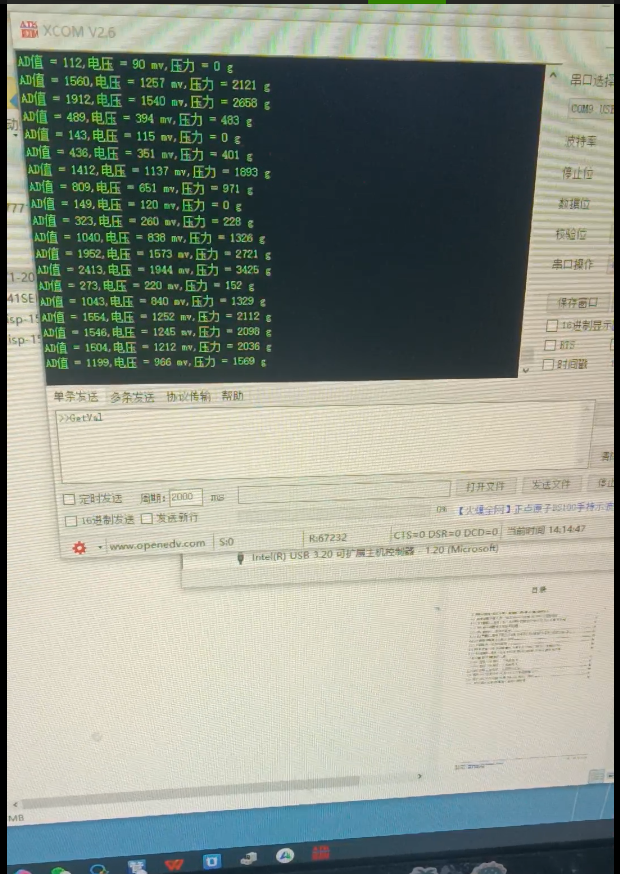
文章目录 简介线性电压转换模块51单片机读取DO接线方式51代码实验效果 32单片机读取AO接线方式32代码实验效果 总结 简介 FSR薄膜压力传感器是可以将压力变化转换为电阻变化的一种传感器,单片机可以读取然后作为粗略测量压力(仅提供压力变化,…...

【maven】pom.xml 文件详解
有关 maven 其他配置讲解参考 maven 配置文件 setting.xml 详解 pom.xml 文件是 Maven 项目的核心配置文件,其中包含了项目的元数据、构建配置、依赖管理等信息。以下是一个 pom.xml 文件的主要部分: <?xml version"1.0" encoding"U…...
SpringMVC源码解析——DispatcherServlet初始化
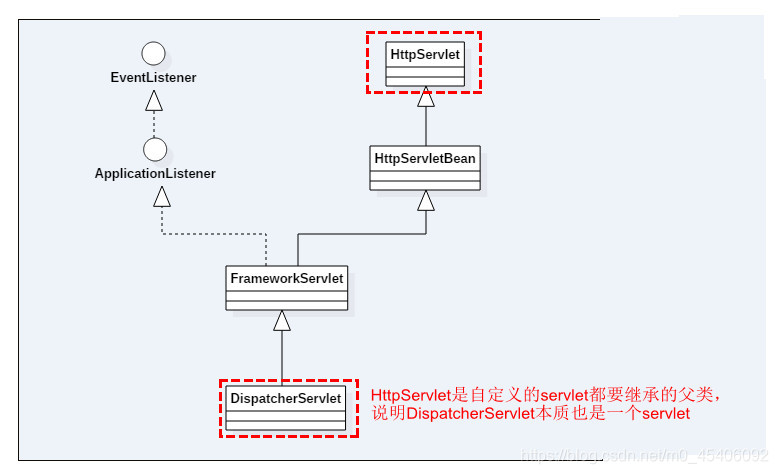
在Spring中,ContextLoaderListener只是辅助功能,用于创建WebApplicationContext类型的实例,而真正的逻辑实现其实是在DispatcherServlet中进行的,DispatcherServlet是实现Servlet接口的实现类。Servlet是一个JAVA编写的程序&#…...
搞定Apache Superset
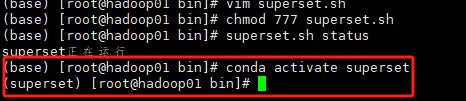
踩雷了无数次终于解决了Superset的一系列问题 现在是北京时间2023年12月27日,亲测有效。 Superset概述 Apache Superset是一个现代的数据探索和可视化平台。它功能强大且十分易用,可对接各种数据源,包括很多现代的大数据分析引擎ÿ…...

【每日试题】java面试之ssm框架
以下是20道常见的SSM(SpringSpring MVCMyBatis)面试题目和答案: 什么是SSM框架? SSM是指SpringSpring MVCMyBatis的组合,它是Java Web开发中常用的轻量级框架集合。 介绍一下SSM框架各个组件的作用? Sprin…...

Flutter 疑难杂症集合
一. Flutter集成uni小程序sdk 1. 手机连接电脑测试打开uni小程序没问题,打包成apk后debug编译下的apk也没问题,但就是release编译的apk包打不开小程序。 报错情景:点击后页面会闪现一下黑色的背景,然后又跳转回了点击之前的页面。…...

PHP序列化总结1--序列化和反序列化的基础知识
序列化和反序列化的作用 1.序列化:将对象转化成数组或者字符串的形式 2.反序列化:将数组或字符串的形式转化为对象 为什么要进行序列化 这种数据形式中间会有很多空格,不同人有不同的书写情况,可能还会出现换行的情况 为此为了…...

【Linux】 last 命令使用
last 命令 用于检索和展示系统中用户的登录信息。它从/var/log/wtmp文件中读取记录,并将登录信息按时间顺序列出。 著者 Miquel van Smoorenburg 语法 last [-R] [-num] [ -n num ] [-adiox] [ -f file ] [name...] [tty...]last 命令 -Linux手册页 选项及作用…...

Git 分布式版本控制系统(序章1)
第一章 Git 分布式版本控制系统 为什么学Git? 某些企业面试需要掌握Git,同时,也方便管理自己的Qt项目。 一、Git 客户端下载(Windows) 下载地址 https://gitee.com/all-about-git#git-%E5%A4%A7%E5%85%A8 二、Git 的特点 分支…...

给WordPress网站添加返回顶部按钮
给WordPress网站底部添加一个按钮,点它就可以现实快速返回到顶部。有两种方法可以现实,一种是通过安装相关插件来实现。另外一种方式就是以纯属代码的方式来实现。 给WordPress网站底部添加一个按钮,点它就可以现实快速返回到顶部。有两种方…...

App Inventor 2 接入短信服务,实现短信验证码功能
发送短信验证码功能一般都是基于短信平台提供的sdk进行调用,这里是基于阿里云短信平台进行的开发,阿里云短信平台接入步骤请点此参考。 App Inventor 2拓展提供的函数如下: 主要提供2个函数,生成随机位数的数字随机码 和 发送短信…...
Linux环境grep搜索方法记录
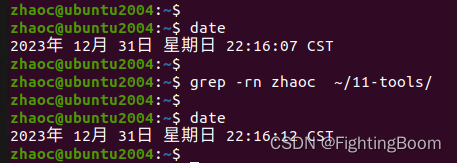
1 grep grep 命令,用来搜索字符串所在位置,可以具体到不同文件,不同行; 在Linux 下,查看命令释义如下 zhaocubuntu2004:~$ grep --help Usage: grep [OPTION]... PATTERNS [FILE]... Search for PATTERNS in each FI…...

C语言-破解密码
题目描述 密码是我们生活中非常重要的东东,我们的那么一点不能说的秘密就全靠它了。哇哈哈. 接下来渊子要在密码之上再加一套密码,虽然简单但也安全。 假设老王原来一个BBS上的密码为zvbo941987,为了方便记忆,他通过一种算法把这个密码变换…...
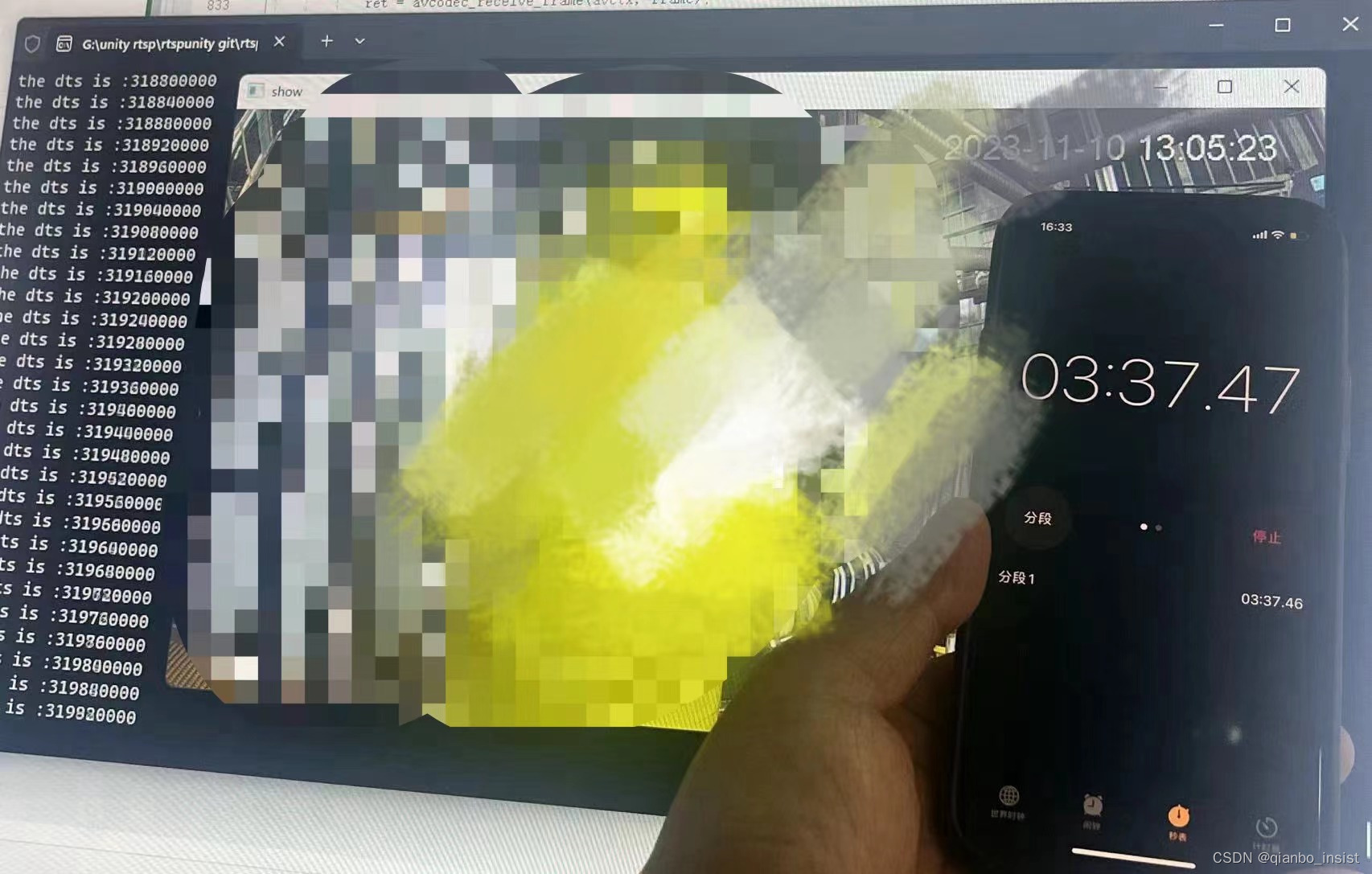
ffmpeg 解码文件时的时间戳问题
实时流和普通文件 1 实时流 实时流编码时,我们一般不进行b帧编码,但是文件存储时为了减小大小,会增加b帧,实时流只带了I,P帧,那就会好很多 2 普通文件 很多文件带了b帧,所以要使用解码时间去同…...
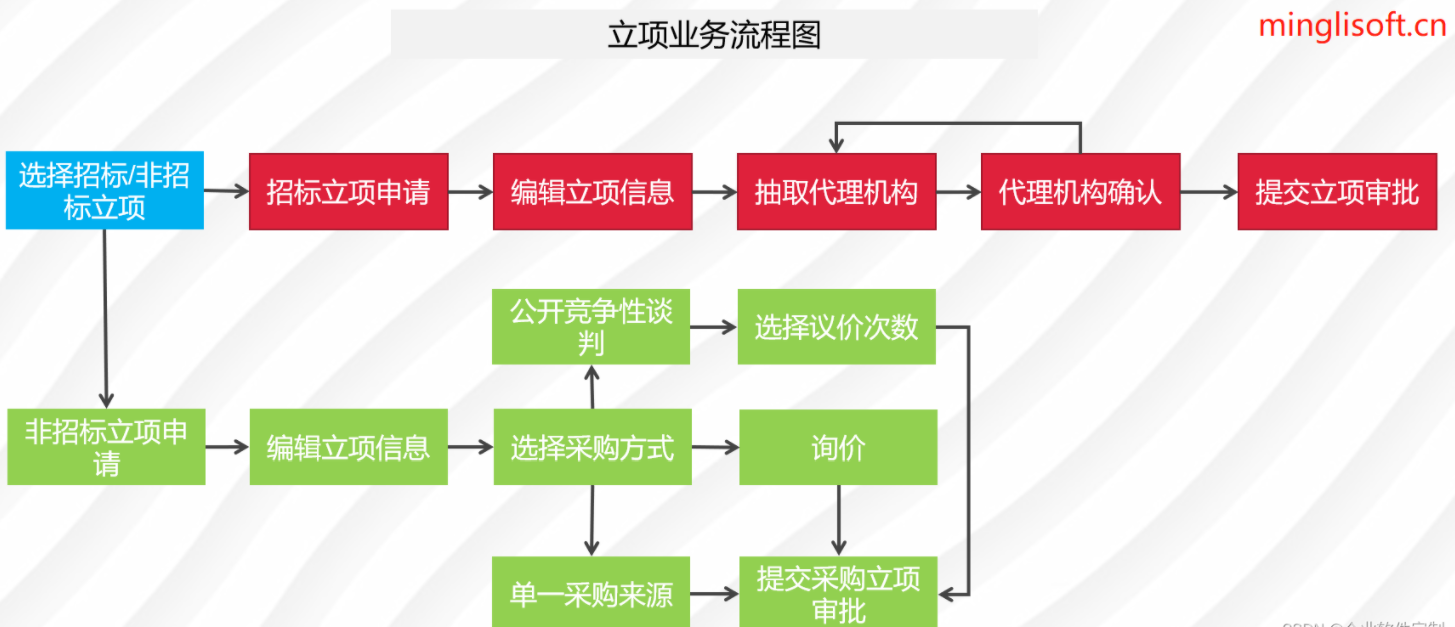
Java企业电子招投标系统源代码,支持二次开发,采用Spring cloud框架
在数字化采购领域,企业需要一个高效、透明和规范的管理系统。通过采用Spring Cloud、Spring Boot2、Mybatis等先进技术,我们打造了全过程数字化采购管理平台。该平台具备内外协同的能力,通过待办消息、招标公告、中标公告和信息发布等功能模块…...

[python]基于faster whisper实时语音识别语音转文本
语音识别转文本相信很多人都用过,不管是手机自带,还是腾讯视频都附带有此功能,今天简单说下: faster whisper地址: https://github.com/SYSTRAN/faster-whisperhttps://link.zhihu.com/?targethttps%3A//github.com…...

2023纠结中前行? 2024继续还是放下?
喝下2023年的第一口雪碧,没有想像中的那么期待,甜水,放弃吧;还是吃些水果吧,不行吃块肉、喝两口酒~ 关于生活 挣扎了10几年的一颗牙“终于“掉了,几个月时间都在为新牙努力着;”进了医院就不在…...
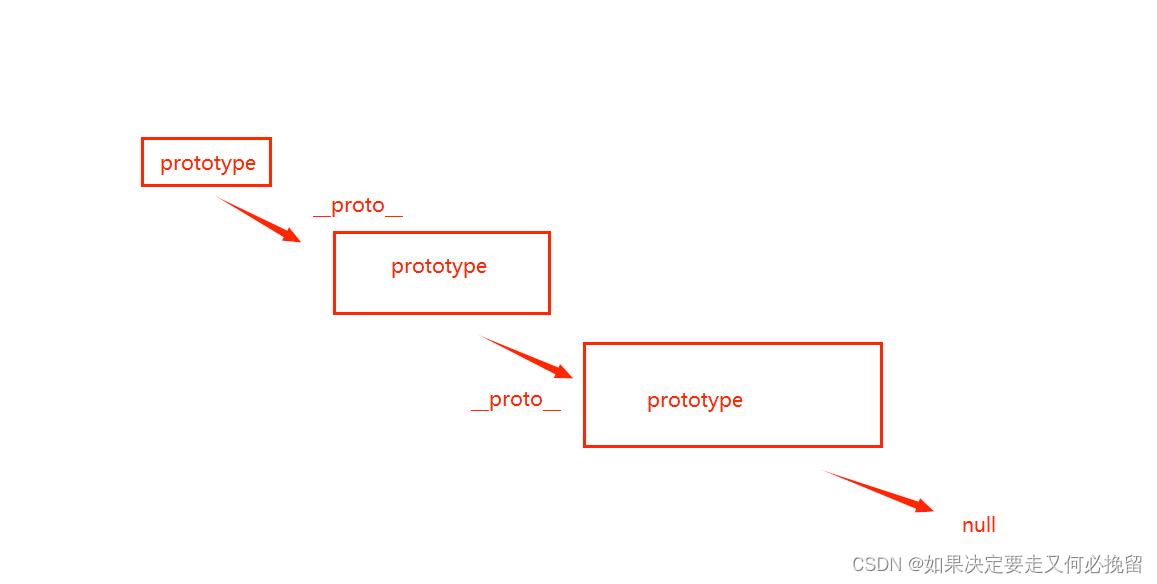
原型链补充
1.什么是原型对象 函数的独有属性,他用prototype来表示,可以在函数的prototype上挂载一些公用的属性和方法,供实例化对象来访问。 2.__proto__属性 这个属性每一个对象都有,实例化对象就是通过这个属性,来访问原型对象上的属性和方法的。 3.三者之间的关系 1.在构造函数的原型…...

《Linux Nano命令详解:小而强大的文本编辑器》
《Linux Nano命令详解:小而强大的文本编辑器》 引言: 在Linux系统中,文本编辑是开发和系统管理中不可或缺的一部分。虽然有许多强大的文本编辑器可供选择,但Nano以其简单易用、小巧灵活而备受喜爱。本文将深入探讨Nano命令&…...

RasaGPT:基于Rasa与Langchain的无头LLM聊天机器人平台架构解析
1. 项目概述:RasaGPT,一个开箱即用的无头LLM聊天机器人平台 如果你正在寻找一个能快速将大语言模型(LLM)能力集成到现有对话系统中的方案,并且希望这个方案能处理复杂的业务逻辑、支持多租户、还能轻松对接Telegram等…...
)
手把手教你:在无外网环境下搞定VSCode插件离线安装(附下载地址拼接技巧)
企业内网开发环境高效配置指南:VSCode插件离线部署实战 在高度安全管控的企业研发环境中,外网隔离是常见的安全策略。当新入职的工程师第一次打开内网电脑上的VSCode时,面对空空如也的插件市场,那种无从下手的焦虑感我深有体会。三…...
、事务管理和文件上传(阿里云OSS))
员工管理(新增员工)、事务管理和文件上传(阿里云OSS)
员工管理(新增员工) 思路就是就是新增的员工基本信息和批量保存员工的工作经历信息,也就是后端对应了两条sql语句, 1.保存员工基本信息 Emp实体类中新添一个字段用于保存员工工作经历 //封装工作经历 private List<EmpExpr> exprList; (1)Cont…...

独立开发者生存指南:一个人搞定产品、开发、运营
一、从测试视角洞察独立开发的核心逻辑软件测试从业者转型独立开发者,最大的优势在于对产品质量的天然敏感度和用户视角的深度理解。在大厂分工体系中,测试人员是距离用户反馈最近的角色之一,每天都在与产品的bug、用户的抱怨打交道ÿ…...

NotebookLM Pro版到底贵在哪?——基于172小时真实工作流压测的TCO建模分析
更多请点击: https://intelliparadigm.com 第一章:NotebookLM Pro版到底贵在哪?——基于172小时真实工作流压测的TCO建模分析 在连续172小时跨时区协同实验中,我们部署了3类典型知识工作流:法律条文溯源分析、学术论文…...

连接器选型五大雷区:从故障数据到设计落地的实战手册
许多硬件团队的失效分析报告显示,连接器引发的现场故障占比长期居高不下,且症状极其隐蔽——间歇性黑屏、信号丢包、热插拔烧毁……这些问题往往在原型测试阶段难以复现,直到批量出货后才集中爆发。本文从电源、高速信号、射频三类典型应用出…...

通过Taotoken CLI工具一键为团队统一配置开发环境
🚀 告别海外账号与网络限制!稳定直连全球优质大模型,限时半价接入中。 👉 点击领取海量免费额度 通过Taotoken CLI工具一键为团队统一配置开发环境 在团队协作开发中,为新成员配置统一的AI模型调用环境常常是个繁琐的…...

Android数据存储终极指南:SharedPreferences与ContentProviders完全解析
Android数据存储终极指南:SharedPreferences与ContentProviders完全解析 【免费下载链接】android-best-practices Dos and Donts for Android development, by Futurice developers 项目地址: https://gitcode.com/gh_mirrors/an/android-best-practices 在…...

从零开始将Taotoken接入现有Nodejs项目实践步骤
🚀 告别海外账号与网络限制!稳定直连全球优质大模型,限时半价接入中。 👉 点击领取海量免费额度 从零开始将Taotoken接入现有Nodejs项目实践步骤 1. 准备工作:获取API密钥与模型信息 在开始代码改造之前,…...

如何自定义 LangGraph 的 State Schema 以支持复杂业务数据流
标题选项 《LangGraph实战进阶:自定义State Schema搞定复杂业务数据流全指南》 《从零搞定LangGraph复杂工作流:State Schema自定义从原理到落地》 《告别简单Demo:自定义LangGraph State Schema支撑企业级复杂数据流》 《LangGraph核心原理解锁:State Schema自定义设计思路…...