
langgraph入门
使用langgraph框架搭建一个简易agent。
最近想学习一下agent相关知识,langgraph似乎挺好的,于是就来试一试。langgraph。看了官网,起核心思想是将agent中的角色和工具都当作是图的Node,整个agent流程通过增加Node之间的边来设定。
官网用的是claude的api,我这里用的OPENAI的api。
import json
import operator
from typing import TypedDict, Annotated, Sequence
from langchain_core.messages import BaseMessage
from langchain.tools.render import format_tool_to_openai_function
from langgraph.prebuilt import ToolExecutor,ToolInvocation
from langchain_core.messages import FunctionMessage
from langgraph.graph import StateGraph, END
from langchain_core.messages import HumanMessage
from langchain_core.tools import toolimport os
from langchain.chat_models import ChatOpenAI# 用于创建一个LLM大模型对象, .1版本langchain的调用方法
from langchain.schema import HumanMessage# 用于区别是user发的消息
os.environ['OPENAI_API_KEY'] = "sk-....."
model_name="gpt-3.5-turbo"
model = ChatOpenAI(model_name=model_name,temperature=0)# 自定义工具
# @tool
# def search(query: str) -> str:
#     """Look up things online."""
#     print(f"search: {query}")
#     return "sunny"@tool
def search(query: str):"""Call to surf the web."""# This is a placeholder, but don't tell the LLM that...if "sf" in query.lower() or "san francisco" in query.lower():return "It's 60 degrees and foggy."return "It's 90 degrees and sunny."@tool
def multiply(a: int, b: int) -> int:"""Multiply two numbers."""return a * b    tools = [search,multiply]tool_executor = ToolExecutor(tools)# We will set streaming=True so that we can stream tokens
# See the streaming section for more information on this.
# model = ChatOpenAI(temperature=0, streaming=True)functions = [format_tool_to_openai_function(t) for t in tools]
model = model.bind_functions(functions)class AgentState(TypedDict):messages: Annotated[Sequence[BaseMessage], operator.add]# Define the function that determines whether to continue or not
def should_continue(state):messages = state['messages']last_message = messages[-1]# If there is no function call, then we finishif "function_call" not in last_message.additional_kwargs:return "end"# Otherwise if there is, we continueelse:return "continue"# Define the function that calls the model
def call_model(state):messages = state['messages']response = model.invoke(messages)# We return a list, because this will get added to the existing listreturn {"messages": [response]}# Define the function to execute tools
def call_tool(state):messages = state['messages']# Based on the continue condition# we know the last message involves a function calllast_message = messages[-1]# We construct an ToolInvocation from the function_callaction = ToolInvocation(tool=last_message.additional_kwargs["function_call"]["name"],tool_input=json.loads(last_message.additional_kwargs["function_call"]["arguments"]),)# We call the tool_executor and get back a responseresponse = tool_executor.invoke(action)# print(f"response:{response}")# We use the response to create a FunctionMessagefunction_message = FunctionMessage(content=str(response), name=action.tool)# print(f"function_message:{function_message}")# We return a list, because this will get added to the existing listreturn {"messages": [function_message]}    # Define a new graph
workflow = StateGraph(AgentState)# Define the two nodes we will cycle between
workflow.add_node("agent", call_model)
workflow.add_node("action", call_tool)# Set the entrypoint as `agent`
# This means that this node is the first one called
workflow.set_entry_point("agent")# We now add a conditional edge
workflow.add_conditional_edges(# First, we define the start node. We use `agent`.# This means these are the edges taken after the `agent` node is called."agent",# Next, we pass in the function that will determine which node is called next.should_continue,# Finally we pass in a mapping.# The keys are strings, and the values are other nodes.# END is a special node marking that the graph should finish.# What will happen is we will call `should_continue`, and then the output of that# will be matched against the keys in this mapping.# Based on which one it matches, that node will then be called.{# If `tools`, then we call the tool node."continue": "action",# Otherwise we finish."end": END}
)# We now add a normal edge from `tools` to `agent`.
# This means that after `tools` is called, `agent` node is called next.
workflow.add_edge('action', 'agent')# Finally, we compile it!
# This compiles it into a LangChain Runnable,
# meaning you can use it as you would any other runnable
app = workflow.compile()    #inputs = {"messages": [HumanMessage(content="what is the weather in Beijing?")]}
# inputs = {"messages": [HumanMessage(content="3乘以5等于多少,输出最终的结果")]}
response = app.invoke(# {"messages": [HumanMessage(content="3乘以5等于多少,输出最终的结果")]},{"messages": [HumanMessage(content="what is the weather in sf")]},config={"configurable": {"thread_id": 42}}
)
# print(type(response))
# print(f"last result:{response}")
# 输出如下信息:
# {'messages': [HumanMessage(content='3乘以5等于多少'), AIMessage(content='', additional_kwargs={'function_call': {'arguments': '{\n  "a": 3,\n  "b": 5\n}', 'name': 'multiply'}}, response_metadata={'finish_reason': 'function_call'}, id='run-bbf18160-747f-48ac-9a81-6c1ee3b70b07-0'), FunctionMessage(content='15', name='multiply'), AIMessage(content='3乘以5等于15。', response_metadata={'finish_reason': 'stop'}, id='run-0d1403cf-4ddb-4db2-8cfa-d0965666e62d-0')]}
print(response['messages'][-1].content)
输出结果为
The weather in San Francisco is currently 60 degrees and foggy.
整体的代码分为,调用模型call_model,调用工具call_tool,定义工具,定义终止条件,以及定义workflow。
这里主要是这个workflow,workflow = StateGraph(AgentState),langgraph里面核心的概念是state,这个state代表着整个环境的变量,message,状态信息,我认为是理解为一种agent的信息中心,每个agent要采取下一步的动作要根据这个信息中心来决定下一步的动作。
Limiation
1、这个只是一个很简单的agent框架,那么对于论文中那种复杂的包含rag等组件的agent,该如何使用langgraph进行搭建?
2、这里是用的是gpt的接口,如果要使用本地模型呢?如何把本地模型接入到langgraph框架里面?
相关文章:

langgraph入门
使用langgraph框架搭建一个简易agent。 最近想学习一下agent相关知识,langgraph似乎挺好的,于是就来试一试。langgraph。看了官网,起核心思想是将agent中的角色和工具都当作是图的Node,整个agent流程通过增加Node之间的边来设定。…...

【Python】爬虫程序打包成exe
上一篇写了爬虫获取汽车之家配置表,师父要更方便使用甚至推广(?),反正就是他们没有环境也能用嘛,我就直接打包了,界面不会做也懒得学了、、 1、下载pyinstaller(清华镜像)…...

【力扣专题栏】两两交换链表中的节点,如何实现链表中两两相邻节点的交换?
这里写目录标题 1、题目描述解释2、算法原理解析3、代码编写 1、题目描述解释 2、算法原理解析 3、代码编写 /*** Definition for singly-linked list.* struct ListNode {* int val;* ListNode *next;* ListNode() : val(0), next(nullptr) {}* ListNode(int…...

埋点采集的日志数据常见的格式简介
埋点采集的日志数据通常以结构化或半结构化的格式进行记录,以便于分析和处理。常见的格式包括: 1. JSON(JavaScript Object Notation) 特点:JSON 格式是一种轻量级的数据交换格式,具有良好的可读性和兼容…...

基于SSM高考志愿辅助填报系统设计与实现
前言 近年来,由于计算机技术和互联网技术的飞速发展,所以各企事业单位内部的发展趋势是数字化、信息化、无纸化,随着这一趋势,而各种决策系统、辅助系统也就应运而生了,其中,信息管理系统是其中重要的组成…...
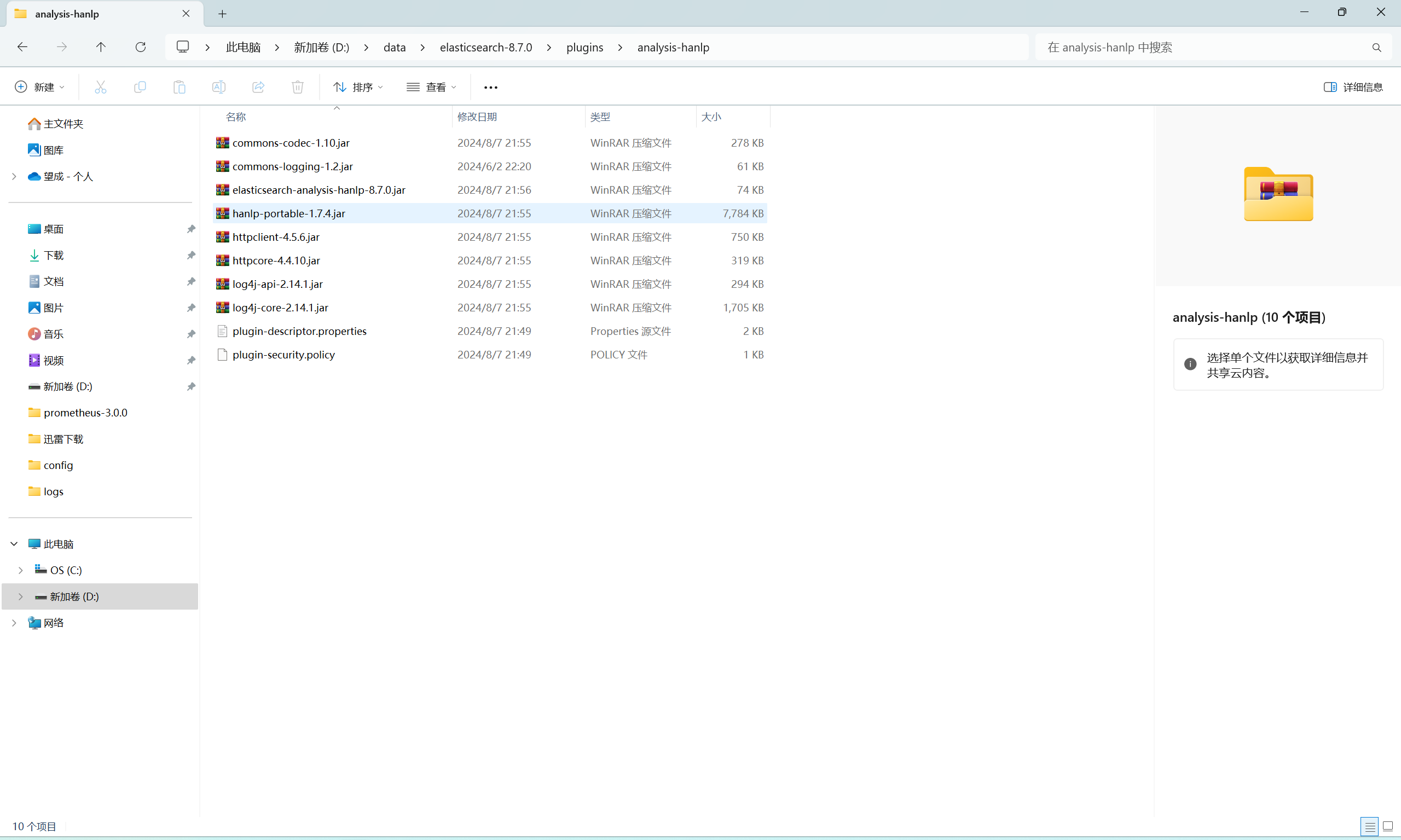
elasticsearch 8.x 插件安装(六)之Hanlp插件
elasticsearch 8.x 插件安装(六)之Hanlp插件 elasticsearch插件安装合集 elasticsearch插件安装(一)之ik分词器安装(含MySQL更新) elasticsearch 8.x插件(二)之同义词安装如何解决…...

排序算法简记
列举几种基本的排序算法和排序思想 排序就是将一组对象按照某种逻辑顺序重新排列的过程。 一、选择排序 1、基本原理 最基本的排序,每次都从原有数据中选择最小或最大的数组放入新数据集中 2、步骤(以从小到大为例) 首先, 找到数组中最小的那个元素…...

Stable diffusion inference 多卡并行
stable diffusion 推理过程 多卡并行 注意事项 以SDXL为例,指定GPU,添加device_map参数信息 device_map {add_embedding: 1,decoder: 1,encoder: 1,conv_in: 1,conv_out: 1,post_quant_conv: 1,text_model: 6,conv_norm_out: 1,quant_conv: 1,time_em…...

Docker:namespace环境隔离 CGroup资源控制
Docker:namespace环境隔离 & CGroup资源控制 Docker虚拟机容器 namespace相关命令ddmkfsdfmountunshare 进程隔离文件隔离 CGroup相关命令pidstatstresscgroup控制 内存控制CPU控制 Docker 在开发中,经常会遇到环境问题,比如程序依赖某个…...
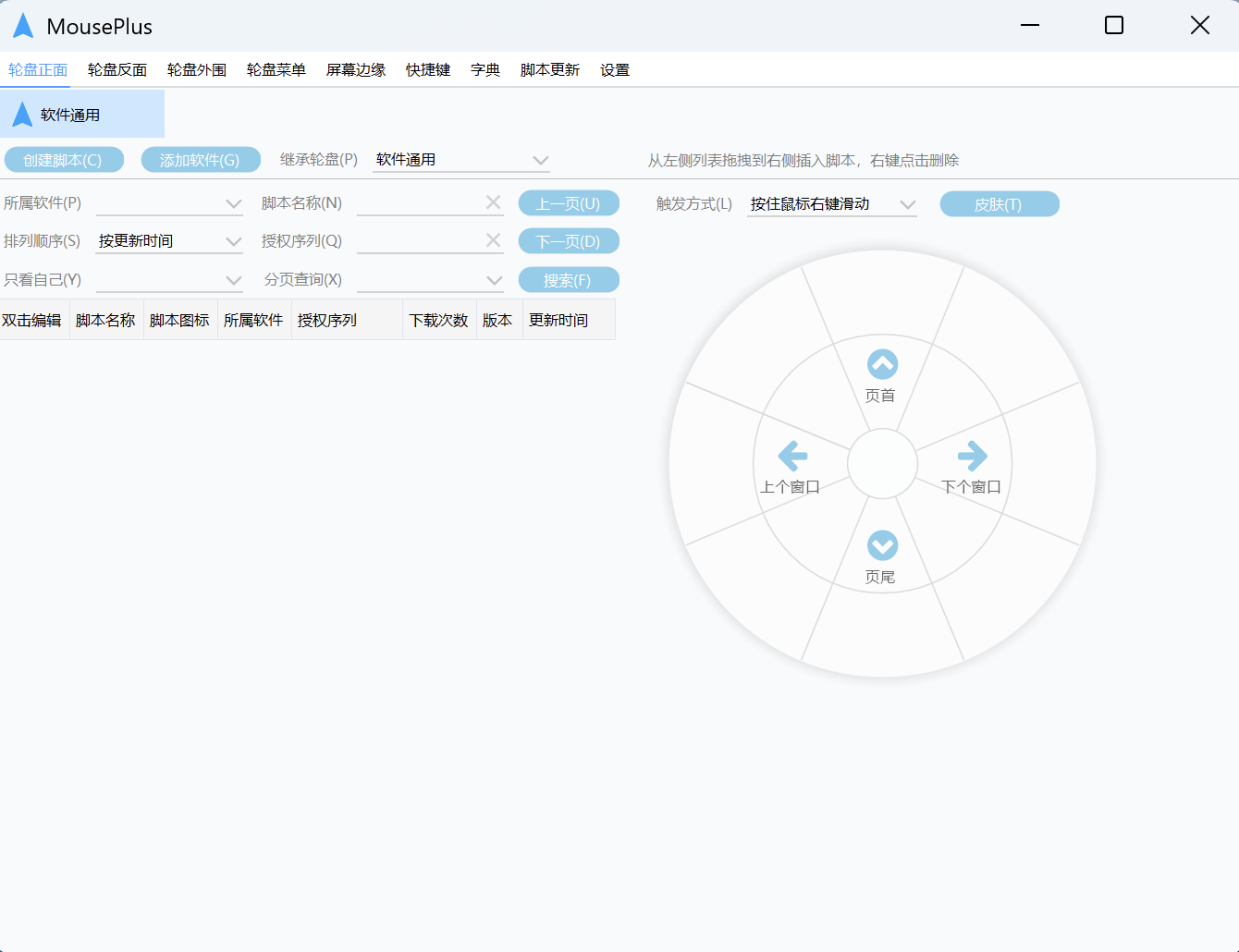
鼠标增强工具 MousePlus v5.3.9.0 中文绿色版
MousePlus 是一款功能强大的鼠标增强工具,它可以帮助用户提高鼠标操作效率和精准度。该软件可以自定义鼠标的各种功能和行为,让用户根据自己的习惯和需求来调整鼠标的表现。 详细功能 自定义鼠标按钮功能:可以为鼠标的各个按钮设置不同的功能…...

Android 圆形进度条CircleProgressView 基础版
一个最基础的自定义View 圆形进度条,可设置背景色、进度条颜色(渐变色)下载进度控制;可二次定制度高; 核心代码: Overrideprotected void onDraw(NonNull Canvas canvas) {super.onDraw(canvas);int mW g…...

理解磁盘结构---CHS---LAB---文件系统
1,初步了解磁盘 机械磁盘是计算机中唯的一个机械设备, 特点是慢,容量大,价格便宜。 磁盘上面的光面,由数不清的小磁铁构成,我们知道磁铁是有n/s极的,这刚好与二进制的&…...

我在1024谈华为
华为的发展历程与技术创新 华为自成立以来,一直是通信技术领域的重要参与者。让我们回顾一下华为的一些关键发展里程碑: 1987年,华为在深圳成立,起初专注于电话交换网络的研发和销售。 进入1990年代,华为转型为通信…...

NVR小程序接入平台/设备EasyNVR多品牌NVR管理工具/设备视频监控解决方案
随着科技的飞速发展,安防视频监控已成为维护公共安全、提升管理效率的重要手段。在这一领域中,NVR小程序接入平台/设备EasyNVR凭借其灵活的部署方式、强大的功能以及卓越的性能表现,脱颖而出,引领着安防视频监控的新纪元。 NVR小程…...

二叉树前序遍历的 Java 实现,包括递归和非递归两种方式
二叉树前序遍历是一种遍历树节点的方式,遵循特定的顺序。其基本过程可以总结为以下几个步骤: 前序遍历的顺序 访问根节点:首先处理当前节点。 递归遍历左子树:然后依次访问左子树。 递归遍历右子树:最后访问右子树。 …...

QT开发:构建现代UI的利器:深入详解QML和Qt Quick基础开发技术
目录 引言 目录 1. 什么是QML和Qt Quick QML的优势 2. QML基础语法 组件 属性 JavaScript表达式 3. 数据绑定 直接绑定 双向绑定 4. 属性和属性别名 属性 属性别名 5. 信号与槽机制 定义信号 处理信号 6. 动画与过渡效果 简单动画 过渡效果 7. 构…...

vue前端使用pdfjs与pdfdist-mergeofd 实现预览pdf并翻页,同时解决预览pdf显示模糊的问题
vue前端使用pdfjs与pdfdist-mergeofd 实现预览pdf并翻页,同时解决预览pdf显示模糊的问题 插件介绍 pdfdist-mergeofd插件的作用可查看这篇文章,同时使用ofdjs和pdfjs遇到的问题,和解决方法——懒加载 该插件主要是为了解决pdfjs和ofdjs同时…...

C语言——回调函数
1、回调函数 在学习了函数之后,我发现了一个比较难的函数——回调函数 回调函数 (Callback Function) 指的是一种函数,它被作为参数传递给另一个函数,并在满足特定条件或事件发生后被调用执行。 它允许你将一段代码延迟执行,或者…...

2016年ATom-1飞行活动期间以10秒间隔进行的一氧化碳(CO)观测数据
目录 简介 摘要 代码 引用 网址推荐 知识星球 机器学习 ATom: Observed and GEOS-5 Simulated CO Concentrations with Tagged Tracers for ATom-1 简介 该数据集包含2016年ATom-1飞行活动期间以10秒间隔进行的一氧化碳(CO)观测数据,…...

MLM之Emu3:Emu3(仅需下一个Token预测)的简介、安装和使用方法、案例应用之详细攻略
MLM之Emu3:Emu3(仅需下一个Token预测)的简介、安装和使用方法、案例应用之详细攻略 导读:这篇论文介绍了Emu3,一个基于单一Transformer架构,仅使用下一个token预测进行训练的多模态模型。 >> 背景痛点: 多模态任…...

Cadence IC617虚拟机导入后,Calibre DRC报License错误的保姆级修复指南
Cadence IC617虚拟机导入后Calibre DRC报License错误的终极解决方案 当你兴冲冲地打开从同事那里拷贝的Cadence IC617虚拟机镜像,准备开始芯片设计工作时,突然跳出的Calibre DRC license错误提示就像一盆冷水浇下来。这种"拿来即用"的环境本应…...

Fabric 结合IPFS 链码示例
购买专栏前请认真阅读:《Fabric项目学习笔记》专栏介绍 package mainimport ("bytes""encoding/json""fmt""time""github.com/hyperledger/fabric/core/chaincode/shim"sc "github.com/hyperledger/fabric/protos/pee…...

基于FastAPI与Cytoscape.js构建个人技能图谱可视化平台
1. 项目概述:一个技能图谱的聚合与沉淀平台最近在整理自己的技术栈和项目经验时,我常常感到一种“知识碎片化”的困扰。学过的框架、用过的工具、解决过的特定问题,都散落在不同的笔记、代码仓库和记忆角落里。当需要快速构建一个原型&#x…...

Apache Weex内存泄漏终极解决方案:7个技巧让应用性能飙升
Apache Weex内存泄漏终极解决方案:7个技巧让应用性能飙升 【免费下载链接】incubator-weex Apache Weex (Incubating) 项目地址: https://gitcode.com/gh_mirrors/in/incubator-weex Apache Weex作为一款高性能的跨平台移动开发框架,在带来便捷开…...

为什么你的ChatGPT生成帖文零互动?揭秘Instagram 2024算法对AI内容的3重隐性过滤机制
更多请点击: https://intelliparadigm.com 第一章:为什么你的ChatGPT生成帖文零互动?揭秘Instagram 2024算法对AI内容的3重隐性过滤机制 Instagram 2024年Q2核心算法更新引入了「人类意图验证层(HIVL)」,该…...
)
用ChatGPT批量生成高互动Instagram内容:5步工作流+4类避坑红线(数据实测CTR提升217%)
更多请点击: https://intelliparadigm.com 第一章:用ChatGPT批量生成高互动Instagram内容:5步工作流4类避坑红线(数据实测CTR提升217%) 借助ChatGPT API 与 Instagram Graph API 的协同调度,可构建轻量级自…...

基于MCP协议构建AI助手业务工具适配器:从原理到实践
1. 项目概述:用MCP协议为AI助手装上“业务之眼”如果你和我一样,日常开发中需要频繁地在Stripe看支付数据、在Sentry查线上错误、在Notion里翻文档、在Linear跟进任务状态,那你一定懂那种在十几个浏览器标签页和不同SaaS平台间反复横跳的疲惫…...
)
树莓派玩转MIPI:手把手教你连接CSI摄像头与DSI显示屏(保姆级图文教程)
树莓派玩转MIPI:手把手教你连接CSI摄像头与DSI显示屏(保姆级图文教程) 树莓派作为一款广受欢迎的微型计算机,其强大的扩展能力一直是开发者们津津乐道的话题。特别是它内置的MIPI接口,为连接高性能摄像头和显示屏提供了…...

【临床研究者必藏】Perplexity+Lancet联合检索SOP:从预印本争议到正式发表的全周期追踪方案
更多请点击: https://intelliparadigm.com 第一章:PerplexityLancet联合检索SOP的临床价值与范式变革 在循证医学实践加速数字化的当下,Perplexity(基于语义理解与推理增强的检索引擎)与《The Lancet》开放文献元数据…...

3分钟完成Windows和Office永久激活:KMS智能激活脚本终极指南
3分钟完成Windows和Office永久激活:KMS智能激活脚本终极指南 【免费下载链接】KMS_VL_ALL_AIO Smart Activation Script 项目地址: https://gitcode.com/gh_mirrors/km/KMS_VL_ALL_AIO 还在为Windows系统激活烦恼吗?Office突然变成只读模式让你工…...