
Sentinel源码—8.限流算法和设计模式总结二
大纲
1.关于限流的概述
2.高并发下的四大限流算法原理及实现
3.Sentinel使用的设计模式总结
3.Sentinel使用的设计模式总结
(1)责任链模式
(2)监听器模式
(3)适配器模式
(4)模版方法模式
(5)策略模式
(6)观察者模式
(1)责任链模式
一.责任链接口ProcessorSlot
二.责任链接口的抽象实现类
三.责任链的构建
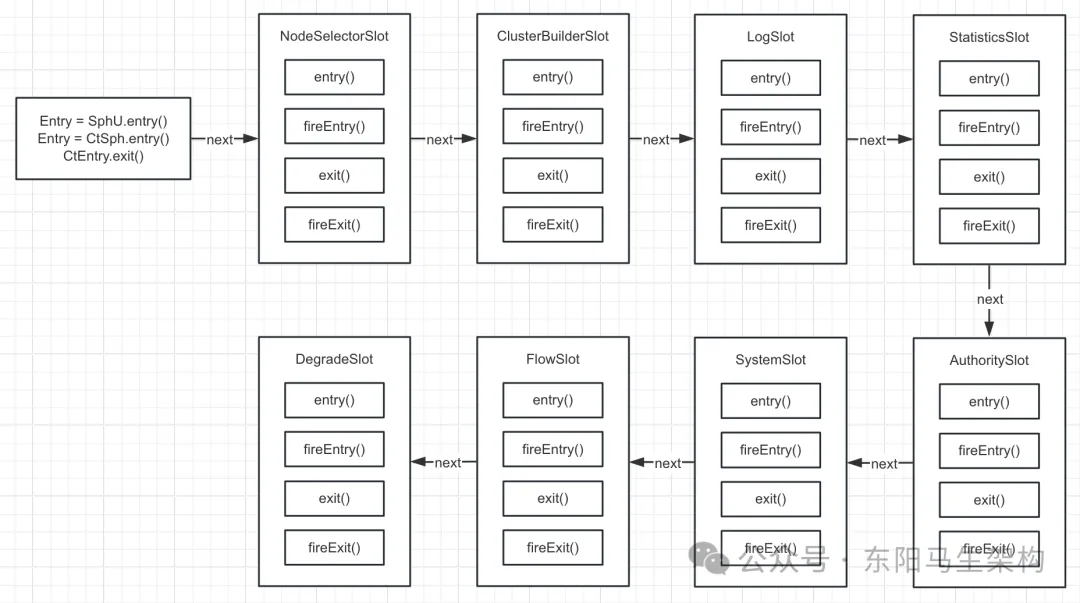
Sentinel的功能都是靠一条链式的ProcessorSlot来完成的,这些ProcessorSlot的初始化以及调用便使用了责任链模式。
一.责任链接口ProcessorSlot
entry()方法相当于AOP的before()方法,也就是入口方法,因此责任链执行时会调用entry()方法。
exit()方法相当于AOP的after()方法,也就是出口方法,因此责任链执行结束时会调用exit()方法。
fireEntry()方法相当于AOP在执行完before()方法后调用pjp.proceed()方法,也就是调用责任链上的下一个节点的entry()方法。
fireExit()方法相当于AOP在执行完exit()方法后调用pjp.proceed()方法,也就是调用责任链上的下一个节点的exit()方法。
//A container of some process and ways of notification when the process is finished.
public interface ProcessorSlot<T> {//Entrance of this slot.//@param context         current Context//@param resourceWrapper current resource//@param param           generics parameter, usually is a com.alibaba.csp.sentinel.node.Node//@param count           tokens needed//@param prioritized     whether the entry is prioritized//@param args            parameters of the original call//@throws Throwable blocked exception or unexpected errorvoid entry(Context context, ResourceWrapper resourceWrapper, T param, int count, boolean prioritized, Object... args) throws Throwable;//Means finish of #entry(Context, ResourceWrapper, Object, int, boolean, Object...).//@param context         current Context//@param resourceWrapper current resource//@param obj             relevant object (e.g. Node)//@param count           tokens needed//@param prioritized     whether the entry is prioritized//@param args            parameters of the original call//@throws Throwable blocked exception or unexpected errorvoid fireEntry(Context context, ResourceWrapper resourceWrapper, Object obj, int count, boolean prioritized, Object... args) throws Throwable;//Exit of this slot.//@param context         current Context//@param resourceWrapper current resource//@param count           tokens needed//@param args            parameters of the original callvoid exit(Context context, ResourceWrapper resourceWrapper, int count, Object... args);//Means finish of #exit(Context, ResourceWrapper, int, Object...).//@param context         current Context//@param resourceWrapper current resource//@param count           tokens needed//@param args            parameters of the original callvoid fireExit(Context context, ResourceWrapper resourceWrapper, int count, Object... args);
}
二.责任链接口的抽象实现类
public abstract class AbstractLinkedProcessorSlot<T> implements ProcessorSlot<T> {//下一个节点,这里的责任链是一个单向链表,因此next就是当前节点所指向的下一个节点private AbstractLinkedProcessorSlot<?> next = null;//触发执行责任链下一个节点的entry()方法@Overridepublic void fireEntry(Context context, ResourceWrapper resourceWrapper, Object obj, int count, boolean prioritized, Object... args) throws Throwable {if (next != null) {next.transformEntry(context, resourceWrapper, obj, count, prioritized, args);}}@SuppressWarnings("unchecked")void transformEntry(Context context, ResourceWrapper resourceWrapper, Object o, int count, boolean prioritized, Object... args) throws Throwable {T t = (T)o;entry(context, resourceWrapper, t, count, prioritized, args);}//触发执行责任链下一个节点的exit()方法@Overridepublic void fireExit(Context context, ResourceWrapper resourceWrapper, int count, Object... args) {if (next != null) {next.exit(context, resourceWrapper, count, args);}}public AbstractLinkedProcessorSlot<?> getNext() {return next;}public void setNext(AbstractLinkedProcessorSlot<?> next) {this.next = next;}
}
三.责任链的构建
Sentinel在默认情况下会通过DefaultProcessorSlotChain类来实现责任链的构建,当然我们也可以通过SPI机制指定一个自定义的责任链构建类。
//Builder for a default {@link ProcessorSlotChain}.
@Spi(isDefault = true)
public class DefaultSlotChainBuilder implements SlotChainBuilder {@Overridepublic ProcessorSlotChain build() {//创建一个DefaultProcessorSlotChain对象实例ProcessorSlotChain chain = new DefaultProcessorSlotChain();//通过SPI机制加载责任链的节点ProcessorSlot实现类//然后按照@Spi注解的order属性进行排序并进行实例化//最后将ProcessorSlot实例放到sortedSlotList中List<ProcessorSlot> sortedSlotList = SpiLoader.of(ProcessorSlot.class).loadInstanceListSorted();//遍历已排好序的ProcessorSlot集合for (ProcessorSlot slot : sortedSlotList) {//安全检查,防止业务系统也写了一个SPI文件,但没按规定继承AbstractLinkedProcessorSlotif (!(slot instanceof AbstractLinkedProcessorSlot)) {RecordLog.warn("The ProcessorSlot(" + slot.getClass().getCanonicalName() + ") is not an instance of AbstractLinkedProcessorSlot, can't be added into ProcessorSlotChain");continue;}//调用DefaultProcessorSlotChain.addLast()方法构建单向链表//将责任链的节点ProcessorSlot实例放入DefaultProcessorSlotChain中chain.addLast((AbstractLinkedProcessorSlot<?>) slot);}//返回单向链表return chain;}
}
DefaultProcessorSlotChain构建的责任链如下:
(2)监听器模式
一.监听器接口和具体实现
二.监听器管理器接口和具体实现
三.使用方如何基于这套监听器机制管理规则
Sentinel在加载和配置规则的时候就使用了监听器模式。监听器模式的实现分为三大部分:监听器、监听器管理器、使用方(比如规则管理器)。
一.监听器接口和具体实现
//This class holds callback method when SentinelProperty#updateValue(Object) need inform the listener
//监听器接口,负责监听各个配置,包含两个方法:初始化方法以及更新方法
public interface PropertyListener<T> {//Callback method when SentinelProperty#updateValue(Object) need inform the listener.//规则变更时触发的回调方法void configUpdate(T value);//The first time of the value's load.//首次加载规则时触发的回调方法void configLoad(T value);
}//流控规则管理器
public class FlowRuleManager {...//监听器接口的具体实现:流控规则监听器private static final class FlowPropertyListener implements PropertyListener<List<FlowRule>> {//初始化规则@Overridepublic synchronized void configUpdate(List<FlowRule> value) {Map<String, List<FlowRule>> rules = FlowRuleUtil.buildFlowRuleMap(value);if (rules != null) {flowRules = rules;}RecordLog.info("[FlowRuleManager] Flow rules received: {}", rules);}//规则变更@Overridepublic synchronized void configLoad(List<FlowRule> conf) {Map<String, List<FlowRule>> rules = FlowRuleUtil.buildFlowRuleMap(conf);if (rules != null) {flowRules = rules;}RecordLog.info("[FlowRuleManager] Flow rules loaded: {}", rules);}}
}
二.监听器管理器接口和具体实现
//监听器管理器接口
public interface SentinelProperty<T> {//添加监听者void addListener(PropertyListener<T> listener);//移除监听者void removeListener(PropertyListener<T> listener);//当监听值有变化时,调用此方法进行通知boolean updateValue(T newValue);
}//监听器管理器具体实现
public class DynamicSentinelProperty<T> implements SentinelProperty<T> {//存放每个监听器protected Set<PropertyListener<T>> listeners = new CopyOnWriteArraySet<>();//要监听的值private T value = null;public DynamicSentinelProperty() {}//添加监听器到集合@Overridepublic void addListener(PropertyListener<T> listener) {listeners.add(listener);//回调监听器的configLoad()方法初始化规则配置listener.configLoad(value);}//移除监听器@Overridepublic void removeListener(PropertyListener<T> listener) {listeners.remove(listener);}//更新值@Overridepublic boolean updateValue(T newValue) {//如果值没变化,直接返回if (isEqual(value, newValue)) {return false;}RecordLog.info("[DynamicSentinelProperty] Config will be updated to: {}", newValue);//如果值发生了变化,则遍历监听器,回调监听器的configUpdate()方法更新对应的值value = newValue;for (PropertyListener<T> listener : listeners) {listener.configUpdate(newValue);}return true;}//对比值是否发生了变化private boolean isEqual(T oldValue, T newValue) {if (oldValue == null && newValue == null) {return true;}if (oldValue == null) {return false;}return oldValue.equals(newValue);}//清空监听器集合public void close() {listeners.clear();}
}
三.使用方如何基于这套监听器机制管理规则
//流控规则管理器
public class FlowRuleManager {//维护每个资源的流控规则列表,key是资源名称,value是资源对应的规则private static volatile Map<String, List<FlowRule>> flowRules = new HashMap<>();//饿汉式单例模式实例化流控规则的监听器对象private static final FlowPropertyListener LISTENER = new FlowPropertyListener();//监听器对象的管理器private static SentinelProperty<List<FlowRule>> currentProperty = new DynamicSentinelProperty<List<FlowRule>>();//当FlowRuleManager类的静态方法首次被调用时,会执行这里的静态代码块(对应类加载的过程)static {//将流控规则监听器注册到监听器管理器中currentProperty.addListener(LISTENER);startMetricTimerListener();}//Load FlowRules, former rules will be replaced.//加载流控规则public static void loadRules(List<FlowRule> rules) {//通知监听器管理器中的每一个监听器,规则已发生变化,需要重新加载规则配置//其实就是更新FlowRuleManager规则管理器中的流控规则列表flowRulescurrentProperty.updateValue(rules);}...
}//使用方:通过流控规则管理器FlowRuleManager加载和监听流控规则
public class FlowQpsDemo {private static final String KEY = "abc";private static AtomicInteger pass = new AtomicInteger();private static AtomicInteger block = new AtomicInteger();private static AtomicInteger total = new AtomicInteger();private static volatile boolean stop = false;private static final int threadCount = 32;private static int seconds = 60 + 40;public static void main(String[] args) throws Exception {//初始化QPS的流控规则initFlowQpsRule();//启动线程定时输出信息tick();//first make the system run on a very low condition//模拟QPS为32时的访问场景simulateTraffic();System.out.println("===== begin to do flow control");System.out.println("only 20 requests per second can pass");}private static void initFlowQpsRule() {List<FlowRule> rules = new ArrayList<FlowRule>();FlowRule rule1 = new FlowRule();rule1.setResource(KEY);//设置QPS的限制为20rule1.setCount(20);rule1.setGrade(RuleConstant.FLOW_GRADE_QPS);rule1.setLimitApp("default");rules.add(rule1);//首次调用FlowRuleManager的静态方法会加载FlowRuleManager类执行其静态代码块//加载流控规则FlowRuleManager.loadRules(rules);}private static void simulateTraffic() {for (int i = 0; i < threadCount; i++) {Thread t = new Thread(new RunTask());t.setName("simulate-traffic-Task");t.start();}}private static void tick() {Thread timer = new Thread(new TimerTask());timer.setName("sentinel-timer-task");timer.start();}static class TimerTask implements Runnable {@Overridepublic void run() {long start = System.currentTimeMillis();System.out.println("begin to statistic!!!");long oldTotal = 0;long oldPass = 0;long oldBlock = 0;while (!stop) {try {TimeUnit.SECONDS.sleep(1);} catch (InterruptedException e) {}long globalTotal = total.get();long oneSecondTotal = globalTotal - oldTotal;oldTotal = globalTotal;long globalPass = pass.get();long oneSecondPass = globalPass - oldPass;oldPass = globalPass;long globalBlock = block.get();long oneSecondBlock = globalBlock - oldBlock;oldBlock = globalBlock;System.out.println(seconds + " send qps is: " + oneSecondTotal);System.out.println(TimeUtil.currentTimeMillis() + ", total:" + oneSecondTotal + ", pass:" + oneSecondPass + ", block:" + oneSecondBlock);if (seconds-- <= 0) {stop = true;}}long cost = System.currentTimeMillis() - start;System.out.println("time cost: " + cost + " ms");System.out.println("total:" + total.get() + ", pass:" + pass.get() + ", block:" + block.get());System.exit(0);}}static class RunTask implements Runnable {@Overridepublic void run() {while (!stop) {Entry entry = null;try {//调用entry()方法开始规则验证entry = SphU.entry(KEY);//token acquired, means passpass.addAndGet(1);} catch (BlockException e1) {block.incrementAndGet();} catch (Exception e2) {//biz exception} finally {total.incrementAndGet();if (entry != null) {//完成规则验证调用exit()方法entry.exit();}}Random random2 = new Random();try {TimeUnit.MILLISECONDS.sleep(random2.nextInt(50));} catch (InterruptedException e) {// ignore}}}}
}
(3)适配器模式
适配器模式是一种结构型设计模式,它允许将一个类的接口转换为客户端期望的另一个接口。在Sentinel中,使用适配器模式将不同框架和库的接口适配为统一的接口,如SphU类。SphU类提供了统一的入口,用于执行不同的资源保护逻辑。
public class SphU {private static final Object[] OBJECTS0 = new Object[0];private SphU() {            }//Record statistics and perform rule checking for the given resource.//@param name the unique name of the protected resource//@return the Entry of this invocation (used for mark the invocation complete and get context data)public static Entry entry(String name) throws BlockException {//调用CtSph.entry()方法创建一个Entry资源访问对象return Env.sph.entry(name, EntryType.OUT, 1, OBJECTS0);}//Checking all Rules about the protected method.//@param method the protected methodpublic static Entry entry(Method method) throws BlockException {return Env.sph.entry(method, EntryType.OUT, 1, OBJECTS0);}//Checking all Rules about the protected method.//@param method     the protected method//@param batchCount the amount of calls within the invocation (e.g. batchCount=2 means request for 2 tokens)public static Entry entry(Method method, int batchCount) throws BlockException {return Env.sph.entry(method, EntryType.OUT, batchCount, OBJECTS0);}//Record statistics and perform rule checking for the given resource.//@param name       the unique string for the resource//@param batchCount the amount of calls within the invocation (e.g. batchCount=2 means request for 2 tokens)public static Entry entry(String name, int batchCount) throws BlockException {return Env.sph.entry(name, EntryType.OUT, batchCount, OBJECTS0);}//Checking all Rules about the protected method.//@param method      the protected method//@param trafficType the traffic type (inbound, outbound or internal). //This is used to mark whether it can be blocked when the system is unstable, only inbound traffic could be blocked by SystemRule.public static Entry entry(Method method, EntryType trafficType) throws BlockException {return Env.sph.entry(method, trafficType, 1, OBJECTS0);}//Record statistics and perform rule checking for the given resource.public static Entry entry(String name, EntryType trafficType) throws BlockException {//调用CtSph.entry()方法创建一个Entry资源访问对象return Env.sph.entry(name, trafficType, 1, OBJECTS0);}//Checking all Rules about the protected method.//@param method      the protected method//@param trafficType the traffic type (inbound, outbound or internal). //This is used to mark whether it can be blocked when the system is unstable, only inbound traffic could be blocked by SystemRule.//@param batchCount  the amount of calls within the invocation (e.g. batchCount=2 means request for 2 tokens)public static Entry entry(Method method, EntryType trafficType, int batchCount) throws BlockException {return Env.sph.entry(method, trafficType, batchCount, OBJECTS0);}//Record statistics and perform rule checking for the given resource.public static Entry entry(String name, EntryType trafficType, int batchCount) throws BlockException {return Env.sph.entry(name, trafficType, batchCount, OBJECTS0);}//Checking all Rules about the protected method.//@param method      the protected method//@param trafficType the traffic type (inbound, outbound or internal). //This is used to mark whether it can be blocked when the system is unstable, only inbound traffic could be blocked by SystemRule.//@param batchCount  the amount of calls within the invocation (e.g. batchCount=2 means request for 2 tokens)//@param args        args for parameter flow control or customized slots//@return the Entry of this invocation (used for mark the invocation complete and get context data)public static Entry entry(Method method, EntryType trafficType, int batchCount, Object... args) throws BlockException {return Env.sph.entry(method, trafficType, batchCount, args);}//Record statistics and perform rule checking for the given resource.public static Entry entry(String name, EntryType trafficType, int batchCount, Object... args) throws BlockException {return Env.sph.entry(name, trafficType, batchCount, args);}//Record statistics and check all rules of the resource that indicates an async invocation.//@param name the unique name of the protected resourcepublic static AsyncEntry asyncEntry(String name) throws BlockException {return Env.sph.asyncEntry(name, EntryType.OUT, 1, OBJECTS0);}//Record statistics and check all rules of the resource that indicates an async invocation.//@param name        the unique name for the protected resource//@param trafficType the traffic type (inbound, outbound or internal). //This is used to mark whether it can be blocked when the system is unstable, only inbound traffic could be blocked by SystemRule.//@return the Entry of this invocation (used for mark the invocation complete and get context data)public static AsyncEntry asyncEntry(String name, EntryType trafficType) throws BlockException {return Env.sph.asyncEntry(name, trafficType, 1, OBJECTS0);}public static AsyncEntry asyncEntry(String name, EntryType trafficType, int batchCount, Object... args) throws BlockException {return Env.sph.asyncEntry(name, trafficType, batchCount, args);}//Record statistics and perform rule checking for the given resource. The entry is prioritized.public static Entry entryWithPriority(String name) throws BlockException {return Env.sph.entryWithPriority(name, EntryType.OUT, 1, true);}//Record statistics and perform rule checking for the given resource. The entry is prioritized.public static Entry entryWithPriority(String name, EntryType trafficType) throws BlockException {return Env.sph.entryWithPriority(name, trafficType, 1, true);}//Record statistics and perform rule checking for the given resource.public static Entry entry(String name, int resourceType, EntryType trafficType) throws BlockException {return Env.sph.entryWithType(name, resourceType, trafficType, 1, OBJECTS0);}//Record statistics and perform rule checking for the given resource.public static Entry entry(String name, int resourceType, EntryType trafficType, Object[] args) throws BlockException {return Env.sph.entryWithType(name, resourceType, trafficType, 1, args);}//Record statistics and perform rule checking for the given resource that indicates an async invocation.public static AsyncEntry asyncEntry(String name, int resourceType, EntryType trafficType) throws BlockException {return Env.sph.asyncEntryWithType(name, resourceType, trafficType, 1, false, OBJECTS0);}//Record statistics and perform rule checking for the given resource that indicates an async invocation.public static AsyncEntry asyncEntry(String name, int resourceType, EntryType trafficType, Object[] args) throws BlockException {return Env.sph.asyncEntryWithType(name, resourceType, trafficType, 1, false, args);}//Record statistics and perform rule checking for the given resource that indicates an async invocation.public static AsyncEntry asyncEntry(String name, int resourceType, EntryType trafficType, int batchCount, Object[] args) throws BlockException {return Env.sph.asyncEntryWithType(name, resourceType, trafficType, batchCount, false, args);}
}
(4)模版方法模式
模板方法模式是一种行为型设计模式,它在一个方法中定义一个算法的骨架,将一些步骤延迟到子类中实现。Sentinel便使用了类似模板方法模式来处理熔断策略,但不是严格意义上的模板模式,因为模板方法模式一般会有一个final修饰的模板方法来定义整个流程。例如AbstractCircuitBreaker类定义了熔断策略的基本结构,具体的细节需要继承它并实现对应的方法。
public abstract class AbstractCircuitBreaker implements CircuitBreaker {@Overridepublic boolean tryPass(Context context) {...}//提供抽象方法供子类实现abstract void resetStat();
}//子类
public class ExceptionCircuitBreaker extends AbstractCircuitBreaker {@Overrideprotected void resetStat() {stat.currentWindow().value().reset();}
}
(5)策略模式
策略模式是一种行为型设计模式,定义了一系列的算法,并将每个算法封装起来,使它们可以互相替换。Sentinel便在构建流控规则对象时使用了策略模式来设置不同的流控策略。例如TrafficShapingController接口定义了流控策略的方法,具体的实现类负责实现不同的流控策略。
//流控效果接口
public interface TrafficShapingController {//Check whether given resource entry can pass with provided count.//@param node resource node//@param acquireCount count to acquire//@param prioritized whether the request is prioritized//@return true if the resource entry can pass; false if it should be blockedboolean canPass(Node node, int acquireCount, boolean prioritized);//Check whether given resource entry can pass with provided count.//@param node resource node//@param acquireCount count to acquire//@return true if the resource entry can pass; false if it should be blockedboolean canPass(Node node, int acquireCount);
}//流控规则管理器
public class FlowRuleManager {...private static final class FlowPropertyListener implements PropertyListener<List<FlowRule>> {//初始化规则@Overridepublic synchronized void configUpdate(List<FlowRule> value) {//构建流控规则对象Map<String, List<FlowRule>> rules = FlowRuleUtil.buildFlowRuleMap(value);if (rules != null) {flowRules = rules;}RecordLog.info("[FlowRuleManager] Flow rules received: {}", rules);}//规则变更@Overridepublic synchronized void configLoad(List<FlowRule> conf) {//构建流控规则对象Map<String, List<FlowRule>> rules = FlowRuleUtil.buildFlowRuleMap(conf);if (rules != null) {flowRules = rules;}RecordLog.info("[FlowRuleManager] Flow rules loaded: {}", rules);}}
}public final class FlowRuleUtil {...public static <K> Map<K, List<FlowRule>> buildFlowRuleMap(List<FlowRule> list, Function<FlowRule, K> groupFunction, Predicate<FlowRule> filter, boolean shouldSort) {Map<K, List<FlowRule>> newRuleMap = new ConcurrentHashMap<>();if (list == null || list.isEmpty()) {return newRuleMap;}Map<K, Set<FlowRule>> tmpMap = new ConcurrentHashMap<>();for (FlowRule rule : list) {if (!isValidRule(rule)) {RecordLog.warn("[FlowRuleManager] Ignoring invalid flow rule when loading new flow rules: " + rule);continue;}if (filter != null && !filter.test(rule)) {continue;}if (StringUtil.isBlank(rule.getLimitApp())) {rule.setLimitApp(RuleConstant.LIMIT_APP_DEFAULT);}//获取[流控效果]处理器TrafficShapingController rater = generateRater(rule);rule.setRater(rater);//获取资源名K key = groupFunction.apply(rule);if (key == null) {continue;}//获取资源名对应的流控规则列表Set<FlowRule> flowRules = tmpMap.get(key);//将规则放到Map里,和当前资源绑定if (flowRules == null) {//Use hash set here to remove duplicate rules.flowRules = new HashSet<>();tmpMap.put(key, flowRules);}flowRules.add(rule);}Comparator<FlowRule> comparator = new FlowRuleComparator();for (Entry<K, Set<FlowRule>> entries : tmpMap.entrySet()) {List<FlowRule> rules = new ArrayList<>(entries.getValue());if (shouldSort) {//Sort the rules.Collections.sort(rules, comparator);}newRuleMap.put(entries.getKey(), rules);}return newRuleMap;}private static TrafficShapingController generateRater(FlowRule rule) {//判断只有当阈值类型为QPS时才生效if (rule.getGrade() == RuleConstant.FLOW_GRADE_QPS) {//根据流控效果选择不同的流量整形控制器TrafficShapingControllerswitch (rule.getControlBehavior()) {case RuleConstant.CONTROL_BEHAVIOR_WARM_UP://Warm Up预热模式——冷启动模式return new WarmUpController(rule.getCount(), rule.getWarmUpPeriodSec(), ColdFactorProperty.coldFactor);case RuleConstant.CONTROL_BEHAVIOR_RATE_LIMITER://排队等待模式return new RateLimiterController(rule.getMaxQueueingTimeMs(), rule.getCount());case RuleConstant.CONTROL_BEHAVIOR_WARM_UP_RATE_LIMITER://Warm Up + 排队等待模式return new WarmUpRateLimiterController(rule.getCount(), rule.getWarmUpPeriodSec(), rule.getMaxQueueingTimeMs(), ColdFactorProperty.coldFactor);case RuleConstant.CONTROL_BEHAVIOR_DEFAULT://快速失败模式——Default默认模式default://Default mode or unknown mode: default traffic shaping controller (fast-reject).}}//默认模式:快速失败用的是DefaultControllerreturn new DefaultController(rule.getCount(), rule.getGrade());}...
}public class FlowRuleChecker {...private static boolean passLocalCheck(FlowRule rule, Context context, DefaultNode node, int acquireCount, boolean prioritized) {//选择Node作为限流计算的依据Node selectedNode = selectNodeByRequesterAndStrategy(rule, context, node);if (selectedNode == null) {return true;}//先通过FlowRule.getRater()方法获取流控规则对应的流量整形控制器//然后调用TrafficShapingController.canPass()方法对请求进行检查return rule.getRater().canPass(selectedNode, acquireCount, prioritized);}...
}
(6)观察者模式
Sentinel实现熔断功能使用了观察者模式。具体接口是CircuitBreakerStateChangeObserver,它负责感知熔断器状态发生变化后通知到各个观察者。
//1.首先定义观察者接口CircuitBreakerStateChangeObserver
public interface CircuitBreakerStateChangeObserver {void onStateChange(CircuitBreaker oldCircuitBreaker, CircuitBreaker newCircuitBreaker);
}//2.在熔断器事件注册类EventObserverRegistry中:
//定义一个观察者Map(stateChangeObserverMap)用于存放观察者实例,并提供注册、移除和获取全部观察者的方法
public class EventObserverRegistry {private final Map<String, CircuitBreakerStateChangeObserver> stateChangeObserverMap = new HashMap<>();//注册观察者public void addStateChangeObserver(String name, CircuitBreakerStateChangeObserver observer) {stateChangeObserverMap.put(name, observer);}//移除观察者public boolean removeStateChangeObserver(String name) {return stateChangeObserverMap.remove(name) != null;}//获取全部观察者public List<CircuitBreakerStateChangeObserver> getStateChangeObservers() {return new ArrayList<>(stateChangeObserverMap.values());}...
}//3.当熔断器状态发生变化时,通知所有已注册的观察者。
//比如在AbstractCircuitBreaker类中的notifyObservers方法中实现:
public abstract class AbstractCircuitBreaker implements CircuitBreaker {private void notifyObservers(CircuitBreaker.State prevState, CircuitBreaker.State newState, Double snapshotValue) {for (CircuitBreakerStateChangeObserver observer : observerRegistry.getStateChangeObservers()) {observer.onStateChange(prevState, newState, rule, snapshotValue);}}
}
相关文章:
Sentinel源码—8.限流算法和设计模式总结二
大纲 1.关于限流的概述 2.高并发下的四大限流算法原理及实现 3.Sentinel使用的设计模式总结 3.Sentinel使用的设计模式总结 (1)责任链模式 (2)监听器模式 (3)适配器模式 (4)模版方法模式 (5)策略模式 (6)观察者模式 (1)责任链模式 一.责任链接口ProcessorSlot 二.责…...
VulnHub-DarkHole_1靶机渗透教程
VulnHub-DarkHole_1靶机渗透教程 1.靶机部署 [Onepanda] Mik1ysomething 靶机下载:https://download.vulnhub.com/darkhole/DarkHole.zip 直接使用VMware打开就行 导入成功,打开虚拟机,到此虚拟机部署完成! 注意:…...

Keil MDK‑5 中使用 GNU ARM GCC 的 -Wno-* 选项屏蔽编译警告
在项目编译过程中,我们常常会遇到许多警告提示;而在有些情况下,当我们已经了解这些警告的原因时,可以选择忽略它们,从而减少干扰,集中精力修复其他更重要的问题。 一、添加屏蔽警告的编译选项 (…...

边缘计算全透视:架构、应用与未来图景
边缘计算全透视:架构、应用与未来图景 一、产生背景二、本质三、特点(一)位置靠近数据源(二)分布式架构(三)实时性要求高 四、关键技术(一)硬件技术(二&#…...

爬虫学习——下载文件和图片、模拟登录方式进行信息获取
一、下载文件和图片 Scrapy中有两个类用于专门下载文件和图片,FilesPipeline和ImagesPipeline,其本质就是一个专门的下载器,其使用的方式就是将文件或图片的url传给它(eg:item[“file_urls”])。使用之前需要在settings.py文件中对其进行声明…...

路由器转发规则设置方法步骤,内网服务器端口怎么让异地连接访问的实现
在路由器上设置端口转发(Port Forwarding)可以将外部网络流量引导到特定的局域网设备,这对于需要远程访问服务器、摄像头、游戏主机等设备非常有用。 登录路由器管理界面,添加端口转发规则让外网访问内网的实现教程分享。以下是设…...
MQ底层原理
RabbitMQ 概述 RabbitMQ 是⼀个开源的⾼性能、可扩展、消息中间件(Message Broker),实现了 Advanced Message Queuing Protocol(AMQP)协议,可以帮助不同应⽤程序之间进⾏通信和数据交换。RabbitMQ 是由 E…...
本地部署DeepSeek-R1模型接入PyCharm
以下是DeepSeek-R1本地部署及接入PyCharm的详细步骤指南,整合了视频内容及官方文档核心要点: 一、本地部署DeepSeek-R1模型 1. 安装Ollama框架 下载安装包 访问Ollama官网(https://ollama.com/download)Windows用户选择.exe文件,macOS用户选择.dmg包。 安装验证 双击…...

jvm-描述符与特征签名的区别
在Java虚拟机(JVM)中,存储的是方法签名,而不是仅仅方法描述符。方法签名包含了方法的参数类型和返回值类型的信息,而方法描述符通常指的是仅包含参数类型的那部分信息。为了更清晰地理解这两者的区别以及它们如何在JVM…...
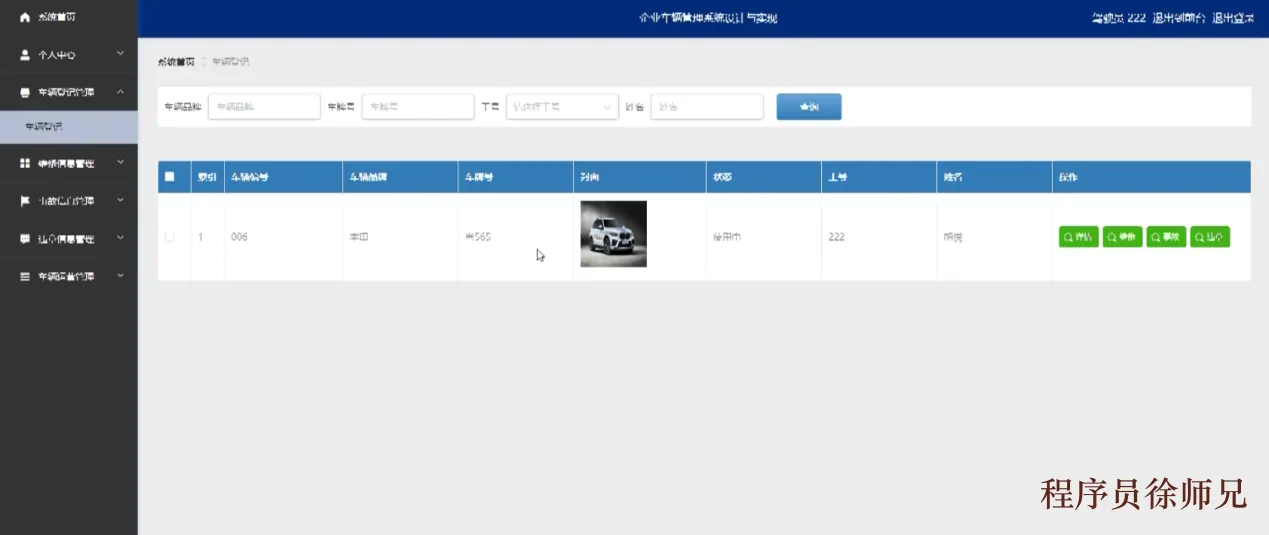
Java基于SpringBoot的企业车辆管理系统,附源码+文档说明
博主介绍:✌Java老徐、7年大厂程序员经历。全网粉丝12w、csdn博客专家、掘金/华为云/阿里云/InfoQ等平台优质作者、专注于Java技术领域和毕业项目实战✌ 🍅文末获取源码联系🍅 👇🏻 精彩专栏推荐订阅👇&…...

QT调用ffmpeg库实现视频录制
可以通过QProcess调用ffmpeg命令行,也可以直接调用ffmpeg库,方便。 调用库 安装ffmpeg ffmpeg -version 没装就装 sudo apt-get update sudo apt-get install ffmpeg sudo apt-get install ffmpeg libavdevice-dev .pro引入库路径,引入库 LIBS += -L/usr/lib/aarch64-l…...

百度 Al 智能体心响 App 上线
百度 AI 智能体心响 App 于 2025 年 4 月 17 日低调上线安卓应用市场,4 月 22 日正式登陆各大安卓应用市场。以下是对这款应用的详细介绍: 产品定位:这是一款以 “AI 任务完成引擎” 为核心的手机端超级智能体产品,定位为 “复杂任…...
进阶篇 第 2 篇:自相关性深度解析 - ACF 与 PACF 图完全指南
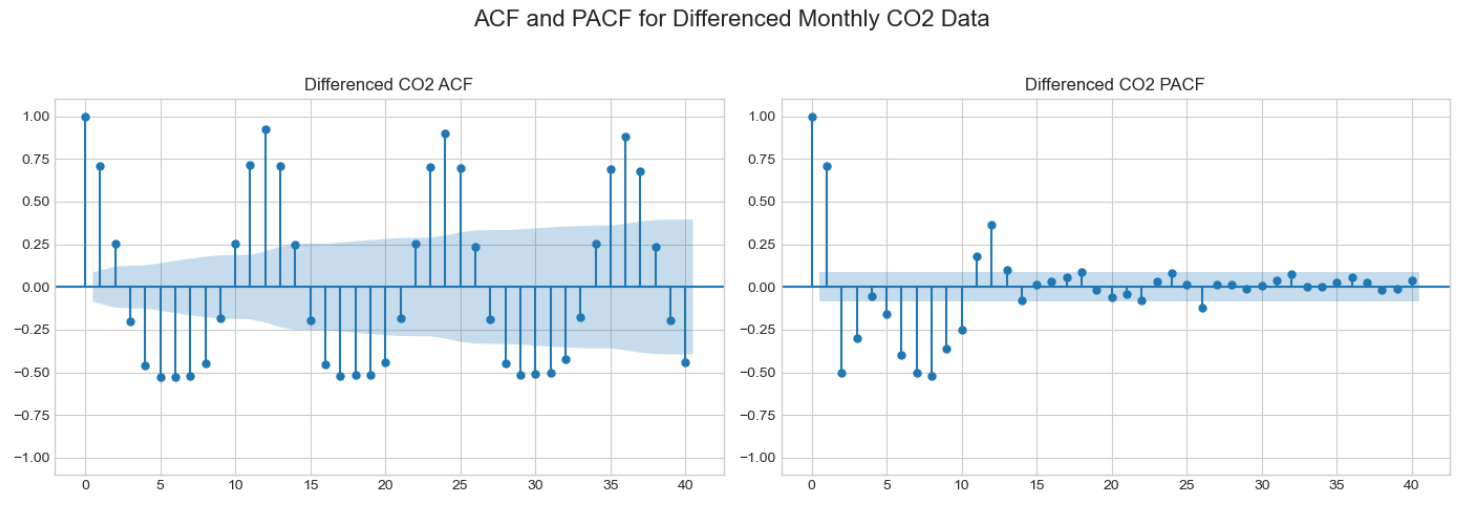
进阶篇 第 2 篇:自相关性深度解析 - ACF 与 PACF 图完全指南 (图片来源: Negative Space on Pexels) 欢迎来到进阶系列的第二篇!在上一篇,我们探讨了更高级的时间序列分解技术和强大的指数平滑 (ETS) 预测模型。ETS 模型通过巧妙的加权平均捕…...

【Java面试笔记:基础】7.int和Integer有什么区别?
在Java中,int和Integer虽然都用于表示整数值,但它们在本质、用法和特性上有显著差异。 1. int 和 Integer 的区别 int: 原始数据类型:int 是 Java 的 8 个原始数据类型之一,用于表示整数。性能优势:直接存…...

鸿蒙移动应用开发--渲染控制实验
任务:使用“对象数组”、“ForEach渲染”、“Badge角标组件”、“Grid布局”等相关知识,实现生效抽奖卡案例。如图1所示: 图1 生肖抽奖卡实例图 图1(a)中有6张生肖卡可以抽奖,每抽中一张,会通过弹层显示出来…...

AI代表企业签订的合同是否具有法律效力?
AI代表企业签订的合同是否具有法律效力? 首席数据官高鹏律师团队编著 在数字经济高速发展的今天,人工智能(AI)技术已广泛应用于商业活动,包括合同起草、审查甚至签署环节。然而,AI代表企业签订的合同是否具…...

安宝特分享|AR智能装备赋能企业效率跃升
AR装备开启智能培训新时代 在智能制造与数字化转型浪潮下,传统培训体系正面临深度重构。安宝特基于工业级AR智能终端打造的培训系统,可助力企业构建智慧培训新生态。 AR技术在不同领域的助力 01远程指导方面 相较于传统视频教学的单向输出模式&#x…...
SpringCloud组件—Eureka
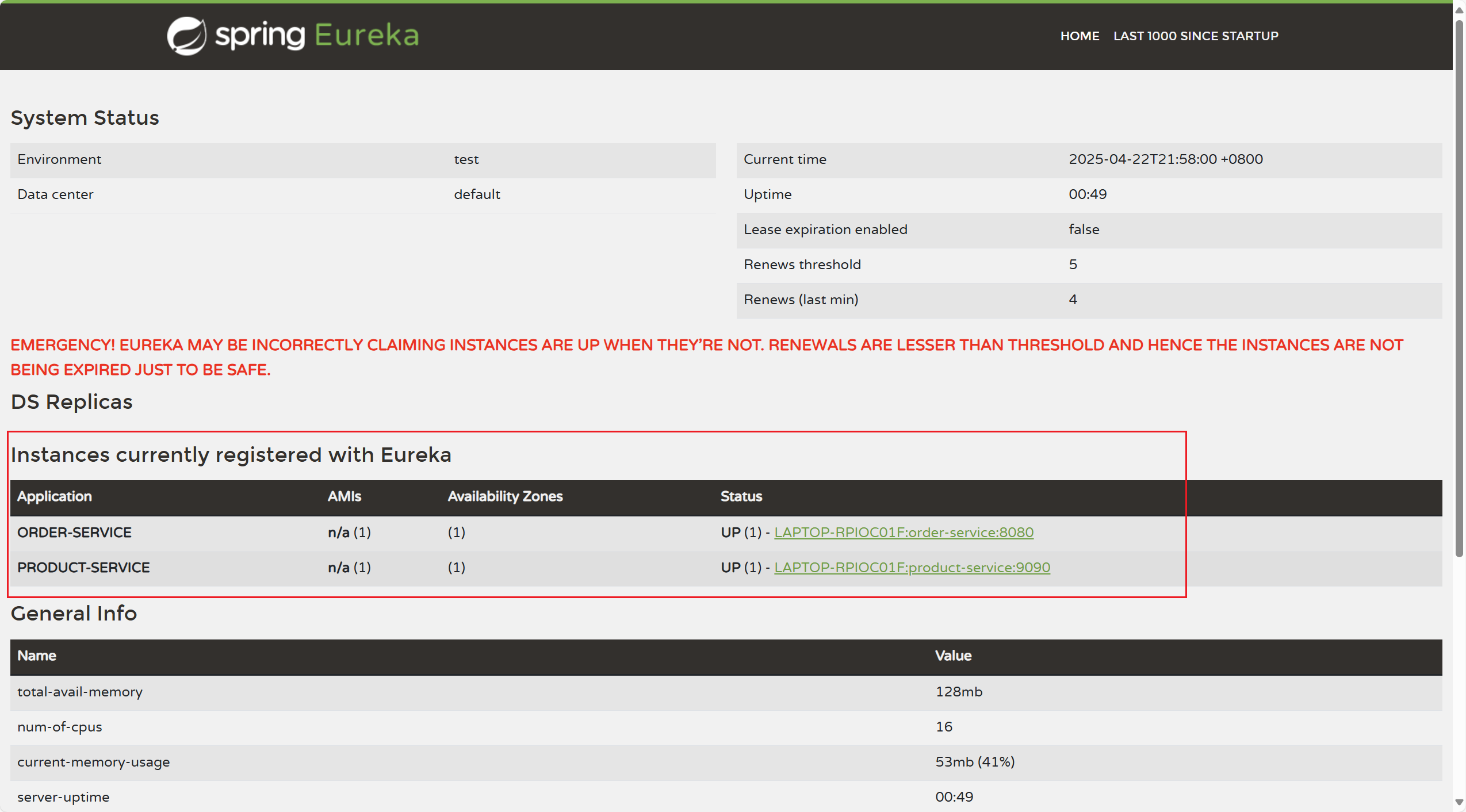
一.背景 1.问题提出 我们在一个父项目下写了两个子项目,需要两个子项目之间相互调用。我们可以发送HTTP请求来获取我们想要的资源,具体实现的方法有很多,可以用HttpURLConnection、HttpClient、Okhttp、 RestTemplate等。 举个例子&#x…...
模型 螃蟹效应
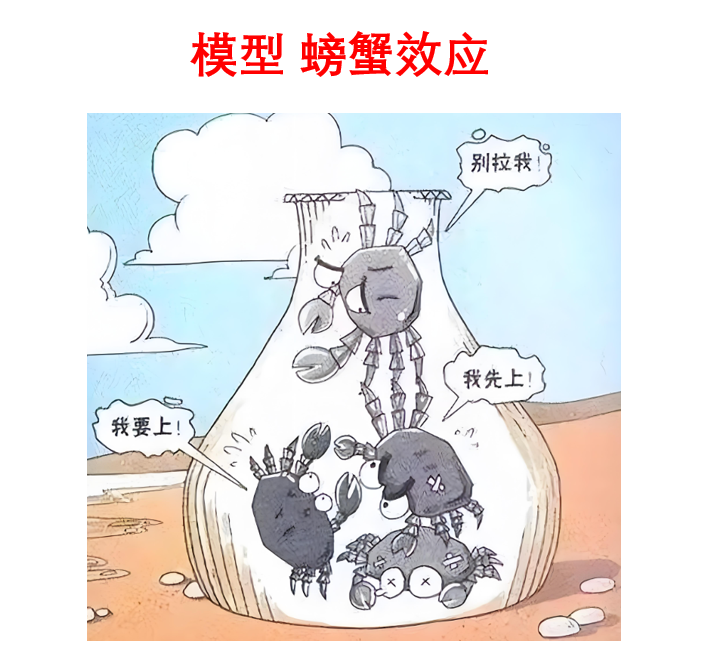
系列文章分享模型,了解更多👉 模型_思维模型目录。个体互钳,团队难行。 1 螃蟹效应的应用 1.1 教育行业—优秀教师遭集体举报 行业背景:某市重点中学推行绩效改革,将班级升学率与教师奖金直接挂钩,打破原…...
符号速率估计——小波变换法
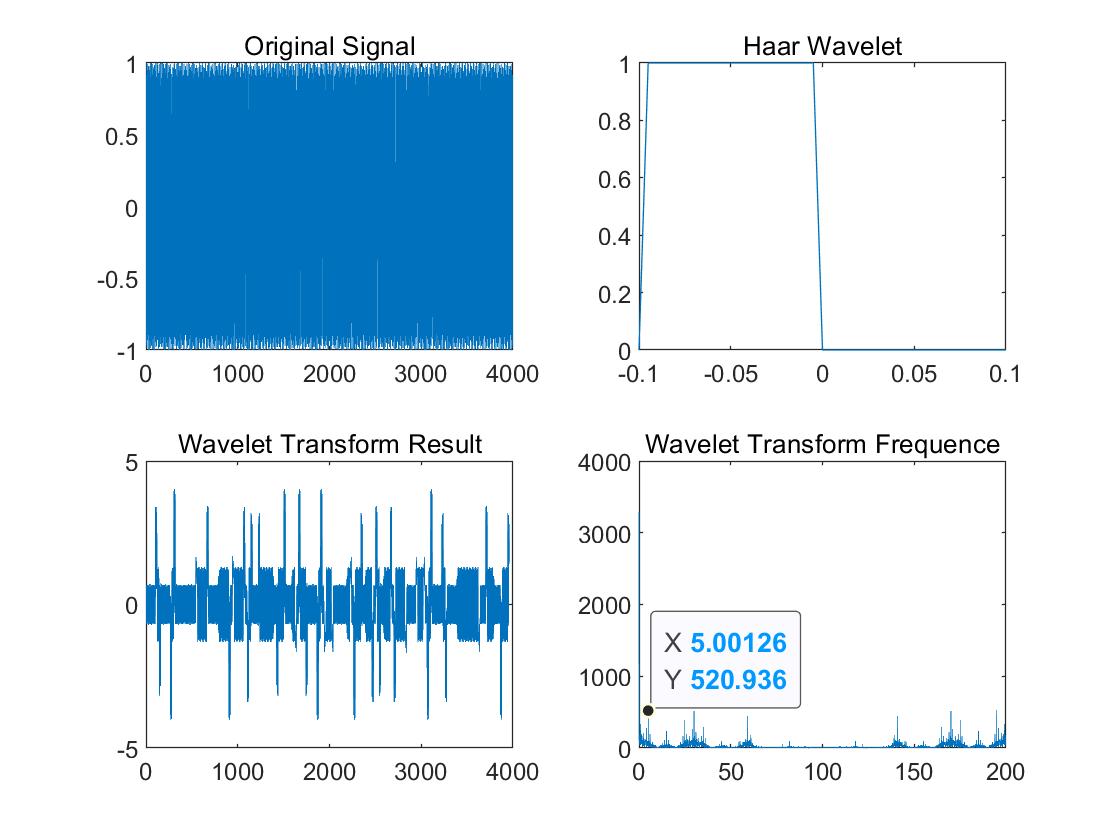
[TOC]符号速率估计——小波变换法 一、原理 1.Haar小波变换 小波变换在信号处理领域被成为数学显微镜,不同于傅里叶变换,小波变换可以观测信号随时间变换的频谱特征,因此,常用于时频分析。 当小波变换前后位置处于同一个码元…...

【架构】ANSI/IEEE 1471-2000标准深度解析:软件密集型系统架构描述推荐实践
引言 在软件工程领域,架构设计是确保系统成功的关键因素之一。随着软件系统日益复杂化,如何有效描述和沟通系统架构成为了一个亟待解决的问题。ANSI/IEEE 1471-2000(正式名称为"推荐软件密集型系统架构描述实践")应运而…...

python兴趣匹配算法
python兴趣匹配算法,用于推荐好友,短视频推荐等等领域 功能列表: 1.用户类的定义,存储用户的基本信息和兴趣。 2.计算两个用户之间兴趣的匹配分数,比较每一位是否相同。 3.根据匹配分数对候选人进行排序。 4.提供交互…...
每日算法-250422
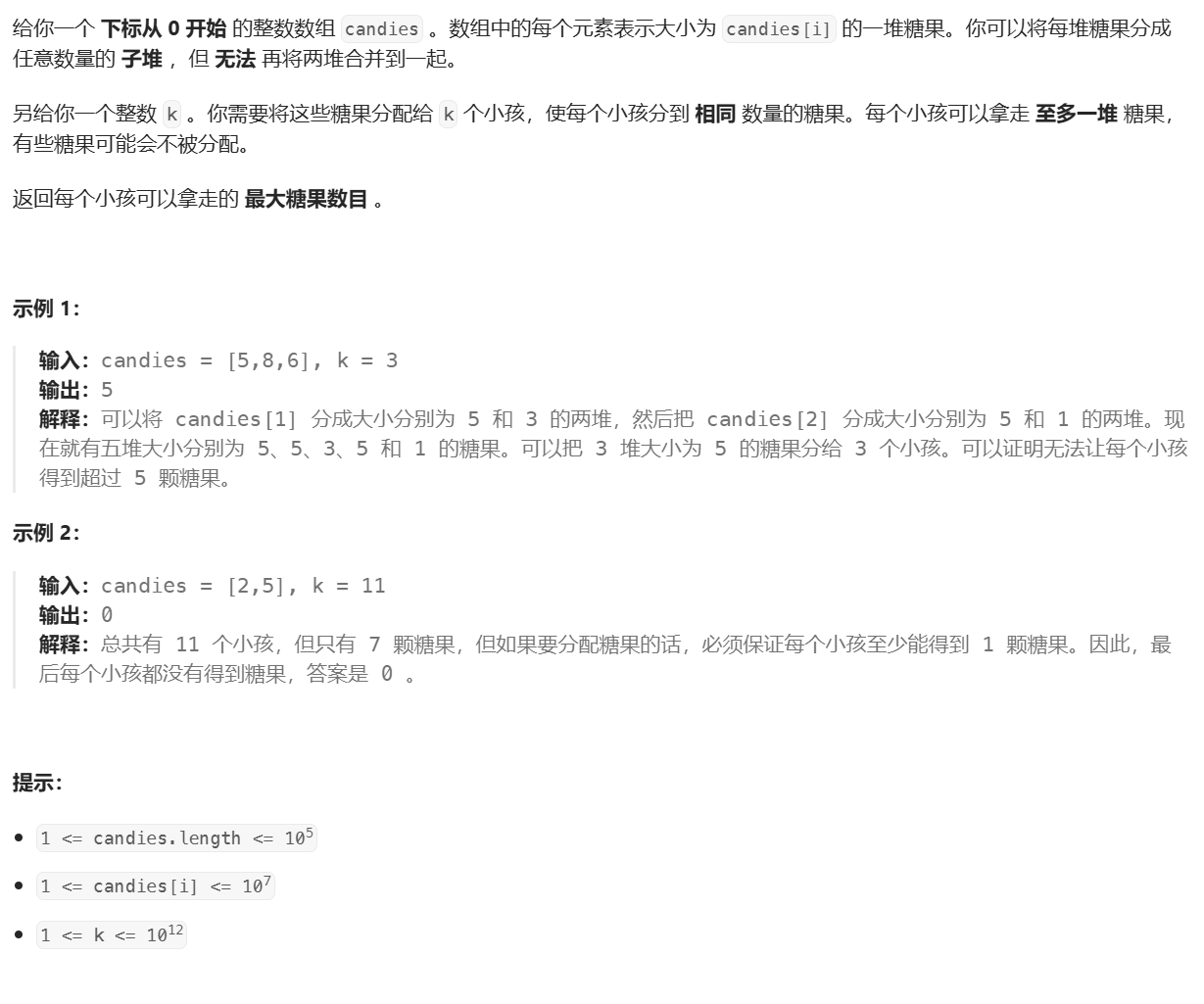
每日算法 - 250422 1561. 你可以获得的最大硬币数目 题目 思路 贪心 解题过程 根据题意,我们想要获得最大的硬币数目。每次选择时,有三堆硬币:最大的一堆会被 Alice 拿走,最小的一堆会被 Bob 拿走,剩下的一堆…...
【MATLAB第116期】基于MATLAB的NBRO-XGBoost的SHAP可解释回归模型(敏感性分析方法)
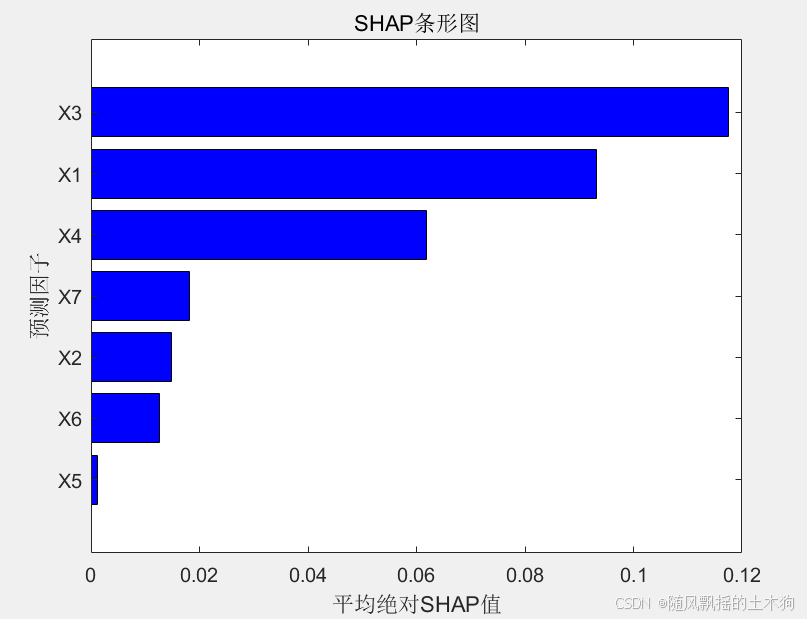
【MATLAB第116期】基于MATLAB的NBRO-XGBoost的SHAP可解释回归模型(敏感性分析方法) 引言 该文章实现了一个可解释的回归模型,使用NBRO-XGBoost(方法可以替换,但是需要有一定的编程基础)来预测特征输出。该…...
微信公众号消息模板推送没有“详情“按钮?无法点击跳转
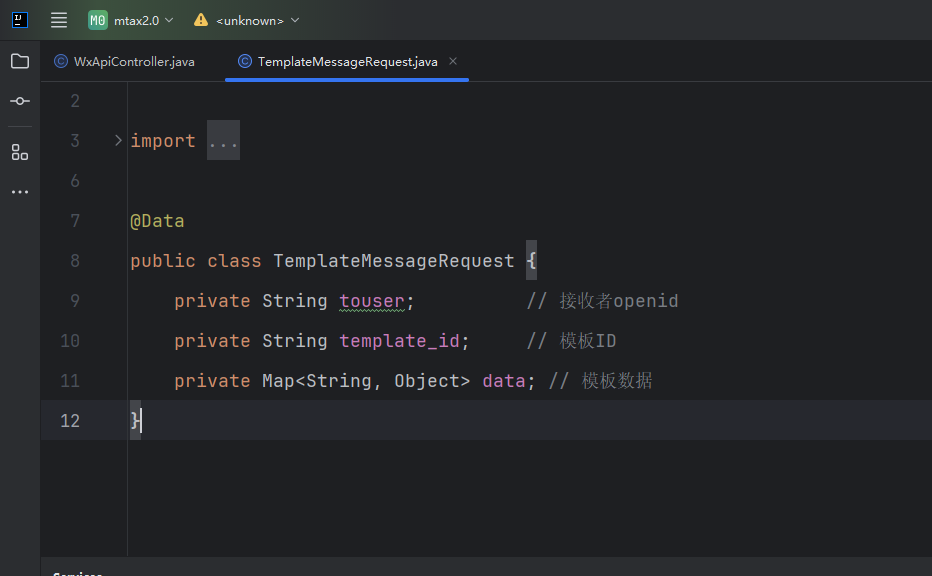
踩坑!!!!踩坑!!!!踩坑!!!! 如下 简单说下我的情况,按官方文档传参url了 、但就是看不到查看详情按钮 。如下 真凶&#x…...

WHAT - 静态资源缓存穿透
文章目录 1. 动态哈希命名的基本思路2. 具体实现2.1 Vite/Webpack 配置动态哈希2.2 HTML 文件中动态引用手动引用使用 index.html 模板动态插入 2.3 结合 Cache-Control 避免缓存穿透2.4 适用于多环境的动态策略 总结 在多环境部署中,静态资源缓存穿透是一个常见问题…...

电动单座V型调节阀的“隐形守护者”——阀杆节流套如何解决高流速冲刷难题
电动单座V型调节阀的“隐形守护者”——阀杆节流套如何解决高流速冲刷难题? 在工业自动化控制中,电动单座V型调节阀因其精准的流量调节能力,成为石油、化工等领域的核心设备。然而,长期高流速工况下,阀芯与阀座的冲刷腐…...

Redis高级篇之I/O多路复用的引入解析
文章目录 一、问题背景1. 高并发连接的管理2. 避免阻塞和延迟3. 减少上下文切换开销4. 高效的事件通知机制5. 简化编程模型6. 低延迟响应本章小节 二、I/O多路复用高性能的本质1. 避免无意义的轮询:O(1) 事件检测2. 非阻塞 I/O 零拷贝:最大化 CPU 利用率…...
(ArkTs))
鸿蒙NEXT开发权限工具类(申请授权相关)(ArkTs)
import abilityAccessCtrl, { Permissions } from ohos.abilityAccessCtrl; import { bundleManager, common, PermissionRequestResult } from kit.AbilityKit; import { BusinessError } from ohos.base; import { ToastUtil } from ./ToastUtil;/*** 权限工具类(…...

自动驾驶与机器人算法学习
自动驾驶与机器人算法学习 直播与学习途径 欢迎你的点赞关注~...