
C++并发编程 -3.同步并发操作
本文介绍如何使用条件变量控制并发的同步操作、C++ 并发三剑客,函数式编程
一.条件变量
1.概念
C++条件变量(condition variable)是一种多线程编程中常用的同步机制,用于线程间的通信和协调。它允许一个或多个线程等待某个条件的发生,当条件满足时,线程被唤醒并继续执行。
在C++中,条件变量通常与互斥锁(mutex)一起使用,以确保线程之间的安全访问共享资源。互斥锁用于保护共享资源的访问,而条件变量用于在某个条件满足时通知等待的线程。
#include <iostream>
#include <thread>
#include <mutex>
#include <condition_variable>std::mutex mtx;
std::condition_variable cv;
bool isReady = false;void workerThread()
{std::unique_lock<std::mutex> lock(mtx);while (!isReady){cv.wait(lock); // 等待条件变量满足}std::cout << "Worker thread is awake!" << std::endl;
}int main()
{std::thread worker(workerThread);std::this_thread::sleep_for(std::chrono::seconds(2)); // 模拟一些耗时操作{std::lock_guard<std::mutex> lock(mtx);isReady = true;cv.notify_one(); // 唤醒等待的线程}worker.join();return 0;
} 主线程创建了一个工作线程,并在工作线程中等待条件变量isReady为true。主线程在等待一段时间后,将isReady设置为true,并通过cv.notify_one()唤醒工作线程。工作线程在等待期间调用cv.wait(lock),这会使线程进入等待状态,直到条件变量被唤醒。一旦条件满足,工作线程被唤醒并输出消息。
其中wait参数有三种使用方式:
| wait | wait_for | wait_until | |
| 函数原型 | void wait(std::unique_lock<std::mutex>& lock); | template< class Rep, class Period > std::cv_status wait_for(std::unique_lock<std::mutex>& lock, const std::chrono::duration<Rep, Period>& rel_time); | template< class Clock, class Duration > std::cv_status wait_until(std::unique_lock<std::mutex>& lock, const std::chrono::time_point<Clock, Duration>& abs_time); |
| 功能 | 调用wait释放锁,等待notify。被唤醒后加锁 | 1.调用wait释放锁,等待notify。被唤醒后加锁。 2.等待时间超过指定的相对时间,无论是否超时仍加锁。 | 1.调用wait释放锁,等待notify。被唤醒后加锁。 2.等待时间超过指定的相对时间,无论是否超时仍加锁。 3.等待超过指定时间 |
| 返回值 | 无 | 等待时间内被唤醒,则返回std::cv_status::no_timeout; 如果等待时间超时,则返回std::cv_status::timeout | 与waitfor一致 |
| 示例 | | | |
2.使用条件变量构建线程安全的栈区
回顾:
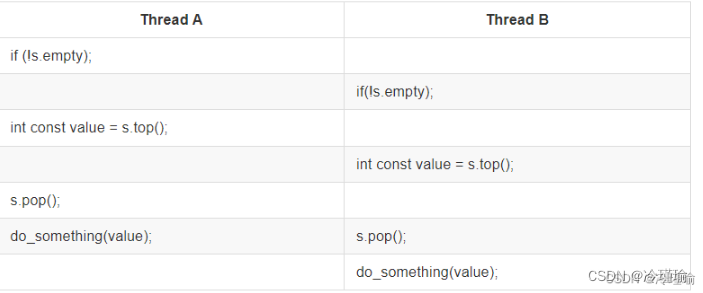
在第三章节 -构建线程安全的栈区 为了避免数据竞争,于pop操作,我们如果在线程中调用empty判断是否为空,如果不为空,则pop,因为empty和pop内部分别加锁,是两个原子操作,导致pop时可能会因为其他线程提前pop导致队列为空,从而引发崩溃。
void push(T new_value)
{std::lock_guard<std::mutex> lock(m);data.push(std::move(new_value));
}T pop()
{std::lock_guard<std::mutex> lock(m);auto element = data.top();data.pop();return element;
}
通过添加《传入引用》或《返回弹出元素的指针》尽可能避免数据异常。传入引用弊端是需要在函数外部构建临时变量影响效率且需要抛出空栈。返回智能指针异常下会导致空指针产生,这么做并不是很友好,所以我们可以通过条件变量完善之前的程序,重新实现一个线程安全队列。
#include <iostream>
#include <thread>
#include <stack>
#include <memory>
#include <mutex>
#include <condition_variable>using namespace std;template<typename T>
class threadQueue
{
public:threadQueue(): mutx(), condVar(), stackQueue(){};~threadQueue(){};void push(T value){lock_guard<mutex> lk(mutx);stackQueue.push(value);condVar.notify_one();}void waitAndpop(T &stackQueue_){unique_lock<mutex> lk(mutx);/*wait函数第二个参数确保队列有数据才进行条件变量后续操作,相当于增加一层判断,更加准确*/condVar.wait(lk, [this](){return !stackQueue.empty();});stackQueue_ = stackQueue.top();stackQueue.pop();}shared_ptr<T> waitAndPop(){unique_lock<mutex> lk(mutx);condVar.wait(lk, [this](){return !stackQueue.empty();});shared_ptr<T> res = make_shared<T>(stackQueue.top());stackQueue.pop();return res;}bool tryPop(T &value){lock_guard<mutex> lk(mutx);if(stackQueue.empty()){return false;}value = stackQueue.top();stackQueue.pop();return true;}shared_ptr<T> tryPop(){lock_guard<mutex> lk(mutx);if (stackQueue.empty())return std::shared_ptr<T>();shared_ptr<T> res = make_shared<T>(stackQueue.top());stackQueue.pop();return res;}private:mutable mutex mutx;condition_variable condVar;stack<T> stackQueue;
};mutex mutxThread;template<typename T>
void funcProducer(threadQueue<T> &thdQueue)
{for(;;){for(size_t i = 0; i < __LONG_MAX__; i++){thdQueue.push(i);lock_guard<mutex> lk(mutxThread);cout<<"funcProducer:"<<i<<endl;this_thread::sleep_for(chrono::milliseconds(100));}}
}template<typename T>
void funcWorker1(threadQueue<T> &thdQueue)
{for(;;){auto data = thdQueue.waitAndPop();lock_guard<mutex> lk(mutxThread);cout<<"funcWorker1 waitAndpop:"<<*(data)<<endl;// this_thread::sleep_for(chrono::milliseconds(500));}
}template<typename T>
void funcWorker2(threadQueue<T> &thdQueue)
{for(;;){auto data = thdQueue.tryPop();if(data != nullptr){lock_guard<mutex> lk(mutxThread);cout<<"funcWorker2 waitAndpop:"<<*(data)<<endl;}// this_thread::sleep_for(chrono::milliseconds(500));}
}int main()
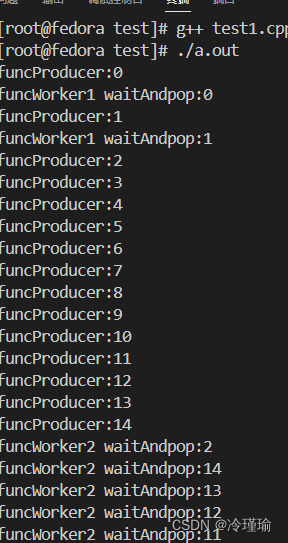
{threadQueue<int> thdQueue;thread t1(funcProducer<int>, ref(thdQueue));thread t2(funcWorker1<int>, ref(thdQueue));thread t3(funcWorker2<int>, ref(thdQueue));t1.join();t2.join();t3.join();
}

二.C++ 并发三剑客
简单介绍一下future, promise和async三者之间的关系。其具体实现请看本章节第四小节

1.async
std::async 是一个用于异步执行函数的模板函数,它返回一个 std::future 对象,该对象用于获取函数的返回值。其主要应用于I/O密集型任务,如网络请求或文件读写,其中操作可能需要等待,但CPU不需要做太多工作.(thread适用于CPU密集型任务)
async可选填参数:
指定launch::async:表示任务执行在另一线程。
指定launch::deferred:表示延迟执行任务,调用get或者wait时才会执行,不会创建线程,惰性执行在当前线程。
不填写或同时指定:属于未定义行为,编译器会根据实际情况决定采用哪种策略(通常创建线程)
1.1 async异步任务
async启用异步执行后,在其内部会创建一个线程,任务完成后线程自动销毁,不需要join等操作。
#include <iostream>
#include <thread>
#include <memory>
#include <future>using namespace std;void func()
{int i = 0;for(;;){cout<<"func"<<endl;this_thread::sleep_for(chrono::seconds(1));if(++i == 10) {break;}}cout<<" thread end"<<endl;
}int main()
{std::future<void> the_answer=std::async(launch::async, func);//deferredfor(int i = 0; i < 15; ++i){cout<<"main run"<<endl;this_thread::sleep_for(chrono::seconds(1));}return 1;
}
刚运行时可以看到存在两个线程

线程退出后:

1.2 async延时执行
当指定launch::deferred表示延迟执行任务,调用get或者wait时才会在调用线程中执行。 std::future::get() 和 std::future::wait() 是 C++ 中用于处理异步任务的两个方法.
1.2.1 future::get()
这是一个阻塞调用,用于获取 std::future 对象表示的值或异常。如果异步任务还没有完成,get() 会阻塞当前线程,直到任务完成。如果任务已经完成,get() 会立即返回任务的结果。get() 只能调用一次,因为它会移动或消耗掉 std::future 对象的状态。一旦 get() 被调用,std::future 对象就不能再被用来获取结果。如果调用两次,会出现如下结果:
#include <iostream>
#include <thread>
#include <memory>
#include <future>using namespace std;void func()
{cout<<"func"<<endl;
}int main()
{std::future<void> the_answer=std::async(launch::deferred, func);//deferredcout<<"main run"<<endl;this_thread::sleep_for(chrono::seconds(1));the_answer.get();the_answer.get();return 1;
} 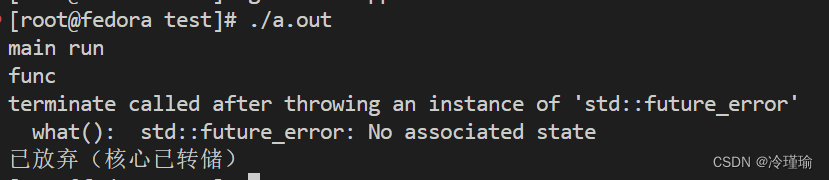
为避免多次调用get造成异常,尽量使用wait
1.2.2 future::wait()
std::future::wait() 也是一个阻塞调用,但它与 get() 的主要区别在于 wait() 不会返回任务的结果。它只是等待异步任务完成。如果任务已经完成,wait() 会立即返回。如果任务还没有完成,wait() 会阻塞当前线程,直到任务完成。与 get() 不同,wait() 可以被多次调用,它不会消耗掉 std::future 对象的状态。
#include <iostream>
#include <thread>
#include <memory>
#include <future>using namespace std;int func()
{std::this_thread::sleep_for(std::chrono::milliseconds(1000));cout<<"func"<<endl;return 10;
}int main()
{future<int> the_answer = async(launch::deferred, func);cout<<"main run"<<endl;auto start = std::chrono::high_resolution_clock::now(); the_answer.wait();the_answer.wait();auto end = std::chrono::high_resolution_clock::now();auto duration = std::chrono::duration_cast<std::chrono::milliseconds>(end - start); cout << "the_answer.wait run time: " << duration.count() << " ms" << endl;return 1;
}
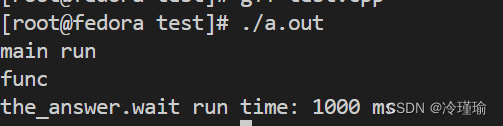
可以看到只运行了1000ms, 当第一个wait运行结束表示任务执行结束,而第二个wait会立马返回。
| wait | get |
| 阻塞线程,知道任务运行完毕 | 阻塞线程,知道任务运行完毕 |
| 可多次调用,当任务执行完毕后wait将不在起作用,会立马返回。 | 不可多次调用,异常 |
| 执行任务,不获取结果 | 执行任务,获取结果 |
- 也可以通过wait_for(std::chrono::seconds(0)(要求任务立马返回),判断任务是否已经完成
if (the_answer.wait_for(std::chrono::seconds(0)) == std::future_status::ready)
{cout<<"task already over"<<endl;return 0;
}
2.promise和packaged_task
promise和packaged_task都是C++中的异步编程工具,用于在多线程环境下进行任务的分离和结果的传递。
promise是一种用于在一个线程中产生结果,并在另一个线程中获取结果的机制。它允许一个线程(称为"提供者")在某个时间点设置一个值或异常,而另一个线程(称为"消费者")在需要时获取该值或异常。
packaged_task是一种将可调用对象(如函数、函数对象或Lambda表达式)封装为一个可以异步执行的任务的机制。
两者都是与future结合使用,通过future获取结果或者值。
2.1.future与packaged_task
packaged_task是一个可调用目标,它包装了一个任务,该任务可以在另一个线程上运行。它可以捕获任务的返回值或异常,并将其存储在future对象中,以便以后使用。
使用future和packaged_task通常的做法是:
1) 创建一个std::packaged_task对象,该对象包装了要执行的任务。
funciton my_task
packaged_task<int()> task(my_task);
2) 调用packaged_task对象的get_future()方法,该方法返回一个与任务关联的future对象。
future<int> result = task.get_future();3) 在另一个线程上调用std::packaged_task对象的operator(),以执行任务。
thread t(move(task));4) 在需要任务结果的地方,调用与任务关联的future对象的get()方法,以获取任务的返回值或异常。
int value = result.get();示例:
#include <iostream>
#include <thread>
#include <memory>
#include <future>using namespace std;int my_task() {this_thread::sleep_for( chrono::seconds(5));cout << "my task run 5 s" <<  endl;return 42;
}
int main()
{// 创建一个包装了任务的 packaged_task 对象 packaged_task<int()> task(my_task);// 获取与任务关联的 future 对象 future<int> result = task.get_future();// cout<<"task.get_future()"<<task.get_future().get()<<endl;// 在另一个线程上执行任务 thread t(move(task));t.detach(); // 将线程与主线程分离,以便主线程可以等待任务完成 // 等待任务完成并获取结果 cout << "will get result"<<endl;int value = result.get();cout << "The result is: " << value << endl;} 
在上面的示例中,我们创建了一个包装了任务的std::packaged_task对象,并获取了与任务关联的std::future对象。然后,我们在另一个线程上执行任务,并等待任务完成并获取结果。最后,我们输出结果。
2.2.future与promise
2.2.1 设置值
packaged_task主要是异步过程中任务,promise在异步过程中处理数值。
#include <iostream>
#include <thread>
#include <future>void set_value(std::promise<int>& prom) {std::this_thread::sleep_for(std::chrono::seconds(2));// 设置结果为42prom.set_value(42);
}int main() {std::promise<int> prom;std::future<int> fut = prom.get_future();std::thread t(set_value, std::ref(prom));// 在主线程中等待结果int result = fut.get();std::cout << "Result: " << result << std::endl;t.join();return 0;
} 值得注意的是在调用fut.get()方法时,如果promise的值还没有被设置,则该方法会阻塞当前线程,直到值被设置为止。
2.2.2 设置异常
promise还有一个set_exception()方法,用于设置异常。该方法接受std::exception_ptr参数,该参数可以通过调用std::current_exception()方法获取。
#include <iostream>
#include <thread>
#include <future>void set_exception(std::promise<int>& prom) {try {// 模拟一些可能抛出异常的操作throw std::runtime_error("Something went wrong");} catch (...) {// 捕获异常并设置到 promise 中prom.set_exception(std::current_exception());}
}int main() {std::promise<int> prom;std::future<int> fut = prom.get_future();std::thread t(set_exception, std::ref(prom));try {// 在主线程中等待结果int result = fut.get();std::cout << "Result: " << result << std::endl;} catch (const std::exception& e) {std::cout << "Exception caught: " << e.what() << std::endl;}t.join();return 0;
}
set_exception 函数中,我们模拟了一些可能抛出异常的操作,并使用prom.set_exception (std::current_exception()) 将当前捕获的异常设置到 promise 中。在主线程中,我们使用 fut.get() 等待并获取结果。如果在另一个线程中发生了异常,我们可以在主线程中使用 try-catch 块捕获并处理异常。
3 future与shared_future
当需要多个线程等待同一个执行结果时,需要使用std::shared_future。
适合使用std::shared_future的场景,多个线程等待同一个异步操作的结果:
#include <iostream>
#include <thread>
#include <future>void myFunction(std::promise<int>&& promise)
{std::this_thread::sleep_for(std::chrono::seconds(1));promise.set_value(42); // 设置 promise 的值
}
void threadFunction(std::shared_future<int> future)
{try {int result = future.get();std::cout << "Result: " << result<<"this thread id:"<<std::this_thread::get_id() << std::endl;}catch (const std::future_error& e) {std::cout << "Future error: " << e.what() << std::endl;}
}
int main()
{std::promise<int> promise;std::shared_future<int> future = promise.get_future();std::thread myThread1(myFunction, std::move(promise)); // 将 promise 移动到线程中// 使用 share() 方法获取新的 shared_future 对象  std::thread myThread2(threadFunction, future);std::thread myThread3(threadFunction, future);myThread1.join();myThread2.join();myThread3.join();return 0;
} 
在这个示例中,创建了一个std::promise<int>对象promise和一个与之关联的std::shared_future<int>对象future。然后,我们将promise对象移动到另一个线程myThread1中,该线程将执行myFunction函数,并在完成后设置promise的值。我们还创建了两个线程myThread2和myThread3,它们将等待future对象的结果。如果myThread1成功地设置了promise的值,那么future.get()将返回该值。这些线程可以同时访问和等待future对象的结果,而不会相互干扰。
4. 自顶向下实现
4.1 用packaged_task实现async
async异步任务相当于创建线程,不再予以实现。
async延时执行示例如下:
#include <iostream>
#include <thread>
#include <future>
#include <functional>using Func = std::function<int(int)>;std::future<int> myAsync(Func task, int i)
{std::packaged_task<int(int)> packaged(task);std::future<int> fu = packaged.get_future();std::thread t(std::move(packaged), i);t.detach();return fu;
}int main()
{auto task = [](int i) { std::this_thread::sleep_for(std::chrono::seconds(1)); return i+100; };std::future<int> f = myAsync(task, 5);std::cout << f.get() << std::endl;return 0;
}
async指定deferred 表示延时进行,其内部与上述内部实现类似,先使用packaged打包需要执行的任务,然后将任务与future绑定,将任务move到线程中,执行完毕后通过future.get获取任务执行结果。如此便满足第二章节图片内容结构。
4.2 使用promise实现packaged_task
通过promise设置值来完成packaged_task反馈。
#include <iostream>
#include <thread>
#include <future>
#include <functional>//typename关键字在C++中的主要作用是告诉编译器某个名称是一个类型而不是变量或函数。
template<typename Type, typename... Args>
class myPackTask
{
public:myPackTask(std::function<Type(Args...)> _func):func_(_func){}std::future<Type> get_future(){return promise_.get_future();}void operator()(Args... args){Type result = func_(args...);promise_.set_value(result);}private:std::function<Type(Args...)> func_;std::promise<Type> promise_;
};int add(int a, int b) {return a + b;
}int main() {myPackTask<int, int, int> task(add);std::future<int> future = task.get_future(); std::thread thread(std::move(task), 2, 3);  int result = future.get();  std::cout << "Result: " << result << std::endl;thread.join();  // 等待线程结束return 0;
}
4.3 实现promise
其主要思想就是通过条件变量通知get所在线程调用的地方。
#include <iostream>
#include <thread>
#include <mutex>
#include <condition_variable>template<typename T>
class Promise {
public:Promise() : value(nullptr), ready(false) {}void set(const T& val) {std::unique_lock<std::mutex> lock(mutex);value = std::make_shared<T>(val);ready = true;condition.notify_all();}T get() {std::unique_lock<std::mutex> lock(mutex);condition.wait(lock, [this] { return ready; });return *value;}private:std::shared_ptr<T> value;bool ready;std::mutex mutex;std::condition_variable condition;
};int main() {Promise<int> promise;std::thread producer([&promise]() {std::this_thread::sleep_for(std::chrono::seconds(2));promise.set(42);});std::thread consumer([&promise]() {int result = promise.get();std::cout << "Got value: " << result << std::endl;});producer.join();consumer.join();return 0;
}
三.并行与函数式编程
以下内容摘自恋恋风尘,博主讲解C++并发不错,力荐
1 快速排序
先使用C++ 设计一个快速排序方法
#include <iostream>
#include <thread>
#include <memory>
#include <future>template<typename T>
void quick_sort_recursive(T arr[], int start, int end) {if (start >= end) return;T key = arr[start];int left = start, right = end;while(left < right) {while (arr[right] >= key && left < right) right--;while (arr[left] <= key && left < right) left++;std::swap(arr[left], arr[right]);}if (arr[left] < key) {std::swap(arr[left], arr[start]);}quick_sort_recursive(arr, start, left - 1);quick_sort_recursive(arr, left + 1, end);
}
template<typename T>
void quick_sort(T arr[], int len) {quick_sort_recursive(arr, 0, len - 1);
}int main() {int num_arr[] = { 5,3,7,6,4,1,0,2,9,10,8 };int length = sizeof(num_arr) / sizeof(int);quick_sort(num_arr, length );std::cout << "sorted result is ";for (int i = 0; i < length; i++) {std::cout << " " << num_arr[i];}std::cout << std::endl;
}
2 使用函数式编程快速排序
函数式编程可以被看作是将函数视为数学中的公式。在函数式编程中,函数被视为一种纯粹的数学映射,它接受输入并产生输出,没有副作用或可变状态。这种思想源于数学中的函数概念,其中函数被定义为将输入映射到输出的关系。
在第一小节实现快速排序是一种面向过程的编程方式,我们可以通过定义一个函数来实现快速排序算法。这个函数接受一个数组作为输入,并通过一系列的步骤来实现快速排序的逻辑。这些步骤包括选择基准元素、划分数组、递归调用等。
而使用函数式编程,强调使用纯函数来构建程序,通过函数的组合和转换来处理数据。函数式编程避免使用可变状态和共享状态。
#include <iostream>
#include <thread>
#include <memory>
#include <future>
#include <list>
#include <algorithm>template<typename T>
std::list<T> sequential_quick_sort(std::list<T> input)
{if (input.empty()){return input;}std::list<T> result;//  ① 将input中的第一个元素放入result中,并且将这第一个元素从input中删除result.splice(result.begin(), input, input.begin());  //  ② 取result的第一个元素,将来用这个元素做切割,切割input中的列表。T const& pivot = *result.begin();    //  ③std::partition 是一个标准库函数,用于将容器或数组中的元素按照指定的条件进行分区,// 使得满足条件的元素排在不满足条件的元素之前。// 所以经过计算divide_point指向的是input中第一个大于等于pivot的元素auto divide_point = std::partition(input.begin(), input.end(),[&](T const& t) {return t < pivot; });    // ④ 我们将小于pivot的元素放入lower_part中std::list<T> lower_part;lower_part.splice(lower_part.end(), input, input.begin(),divide_point);  // ⑤我们将lower_part传递给sequential_quick_sort 返回一个新的有序的从小到大的序列//lower_part 中都是小于divide_point的值auto new_lower(sequential_quick_sort(std::move(lower_part)));    // ⑥我们剩余的input列表传递给sequential_quick_sort递归调用,input中都是大于divide_point的值。auto new_higher(sequential_quick_sort(std::move(input)));    //⑦到此时new_higher和new_lower都是从小到大排序好的列表//将new_higher 拼接到result的尾部result.splice(result.end(), new_higher);    //将new_lower 拼接到result的头部result.splice(result.begin(), new_lower);   return result;
}int main() {std::list<int> numlists = { 6,1,0,7,5,2,9,-1 };auto sort_result = sequential_quick_sort(numlists);std::cout << "sorted result is ";for (auto iter = sort_result.begin(); iter != sort_result.end(); iter++) {std::cout << " " << (*iter);}std::cout << std::endl;
}
3 并行处理快速排序
在快速排序中,我们以某个数字作为基准(一般开头), 分为前半部分和后半部分,然后前半部分和后半部分单独计算。
并行排序的思想是将前半部分(或后半部分)单独拷贝一份,置于async中(不指定启动方式,编译器会根据计算次数决定什么时候异步执行什么时候串行),进行并行计算
#include <iostream>
#include <thread>
#include <memory>
#include <future>
#include <list>
#include <algorithm>template<typename T>
std::list<T> parallel_quick_sort(std::list<T> input)
{if (input.empty()){return input;}std::list<T> result;result.splice(result.begin(), input, input.begin());T const& pivot = *result.begin();auto divide_point = std::partition(input.begin(), input.end(),[&](T const& t) {return t < pivot; });std::list<T> lower_part;lower_part.splice(lower_part.end(), input, input.begin(),divide_point);// ①因为lower_part是副本,所以并行操作不会引发逻辑错误,这里可以启动future做排序std::future<std::list<T>> new_lower(std::async(¶llel_quick_sort<T>, std::move(lower_part)));// ②auto new_higher(parallel_quick_sort(std::move(input))); result.splice(result.end(), new_higher); result.splice(result.begin(), new_lower.get()); return result;
}int main()
{std::list<int> numlists = { 6,1,0,7,5,2,9,-1 };auto sort_result = parallel_quick_sort(numlists);std::cout << "sorted result is ";for (auto iter = sort_result.begin(); iter != sort_result.end(); iter++) {std::cout << " " << (*iter);}std::cout << std::endl;
}相关文章:
C++并发编程 -3.同步并发操作
本文介绍如何使用条件变量控制并发的同步操作、C 并发三剑客,函数式编程 一.条件变量 1.概念 C条件变量(condition variable)是一种多线程编程中常用的同步机制,用于线程间的通信和协调。它允许一个或多个线程等待某个条件的发生…...
【打工日常】使用docker部署可视化工具docker-ui
一、docker-ui介绍 docker-ui是一个易用且轻量化的Docker管理工具,透过Web界面的操作,方便快捷操作docker容器化工作。 docker-ui拥有易操作化化界面,不须记忆docker指令,仅需下载镜像即可立刻加入完成部署。基于docker的特性&…...

LGAMEFI基于BPL公链开发的第一生态:开启RWA游戏娱乐与DeFi融合的新纪元
在去中心化金融(DeFi)与游戏娱乐的结合趋势中,BPL公链上的LGAMEFI项目代表了前沿的技术革新和市场领导。这种将web2上成熟页游进行RWA链改,不仅仅是将游戏热门领域融合,更是在寻找一种全新的参与者经验,将玩…...
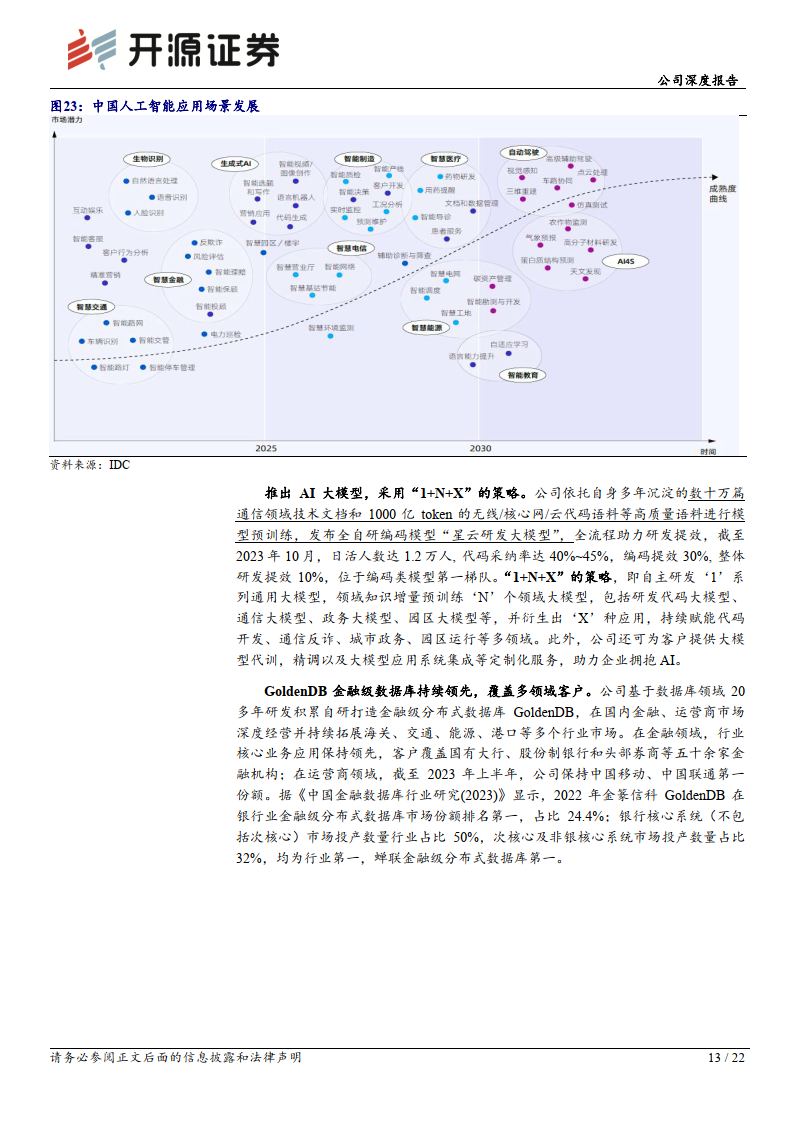
AI专题:5G-A扬帆风正劲,踏AI增长新浪潮
今天分享的是AI系列深度研究报告:《AI专题:5G-A扬帆风正劲,踏AI增长新浪潮》。 (报告出品方:开源证券) 报告共计:22页 足立连接,拓展算力,双曲线稳步发力 中兴通讯拥…...

C++Linux网络编程:poll模型和简单使用
文章目录 poll模型pollfd结构体nfds_t的定义 一个简单的poll服务器总结 poll模型 poll模型和select模型类似,都是在指定时间内轮询一定数量的文件描述符,以测试其中是否有就绪者,需要使用头文件poll.h: #include <poll.h>…...
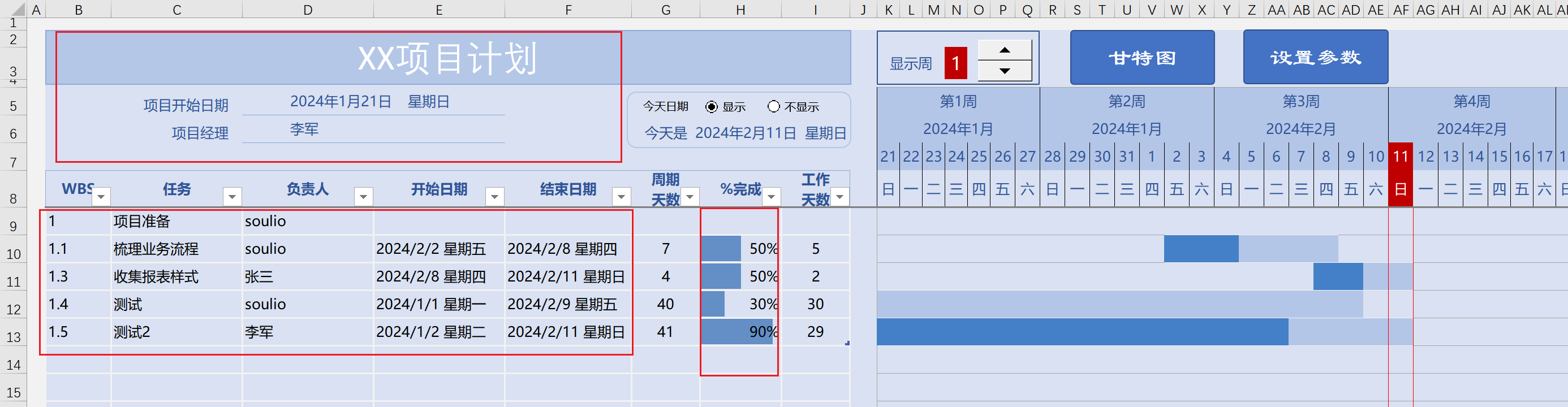
Excel模板2:进度条甘特图
Excel模板2:进度条甘特图 今天复刻B站up【名字叫麦兜的狗狗】的甘特图:还在买Excel模板吗?自己做漂亮简洁的甘特图吧!_哔哩哔哩_bilibili 阿里网盘永久分享:https://www.alipan.com/s/cXhq1PNJfdm 当前效果&…...

数据结构:4_二叉树
二叉树 一.树概念及结构 1. 树的概念 树是一种非线性的数据结构,它是由n(n>0)个有限结点组成一个具有层次关系的集合。把它叫做树是因为它看起来像一棵倒挂的树,也就是说它是根朝上,而叶朝下的。 有一个**特殊的…...
)
设计模式之:状态模式(State Pattern)
状态模式(State Pattern) 状态模式是一种行为设计模式,允许一个对象在其内部状态改变时改变它的行为。这种模式通过把状态的变化逻辑分布到State的子类之间,减少了相互间的依赖,使得状态的切换更加清晰。 状态模式的…...

【微服安全】API密钥和令牌与微服务安全的关系
什么是 API 密钥和令牌 API 密钥 API 密钥是一串用于识别应用程序或用户的字符串。它通常用于授权应用程序或用户访问 API。API 密钥可以是公开的,也可以是私有的。公开的 API 密钥可供任何人使用,而私有的 API 密钥只能由授权的应用程序或用户使用。 …...
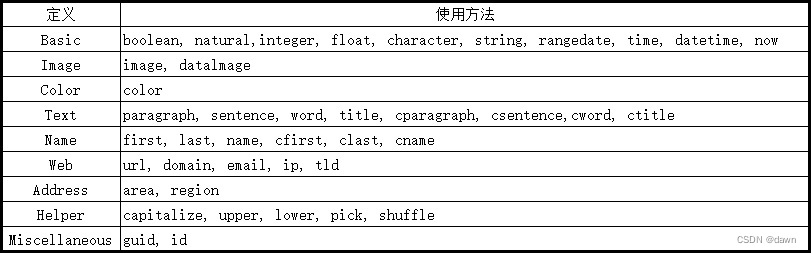
Mock.js
在开发后端的应用中,我们使用postman来测试接口,观察和验证前后端之间的数据传递是否正常。 在开发前端的应用中,我们使用Mock.js来模拟后端服务,以便进行前端业务逻辑的开发和测试。 一般情况下,个人开发或者小团队开…...

【c++】list详细讲解
> 作者简介:დ旧言~,目前大二,现在学习Java,c,c,Python等 > 座右铭:松树千年终是朽,槿花一日自为荣。 > 目标:熟悉list库 > 毒鸡汤:你的脸上云淡…...

C#面:在.NET中 类 System.Web.UI.Page 可以被继承吗?
可以。 它是 ASP.NET WebForms中的一个重要类,用于表示 Web 页面。通过继承 System.Web.UI.Page 类,可以创建自定义的 Web 页面,并在其中添加自己的逻辑和功能。 继承 System.Web.UI.Page 类的好处是,可以重用和扩展已有的功能。…...

AI:128-基于机器学习的建筑物能源消耗预测
🚀点击这里跳转到本专栏,可查阅专栏顶置最新的指南宝典~ 🎉🎊🎉 你的技术旅程将在这里启航! 从基础到实践,深入学习。无论你是初学者还是经验丰富的老手,对于本专栏案例和项目实践都有参考学习意义。 ✨✨✨ 每一个案例都附带有在本地跑过的关键代码,详细讲解供…...
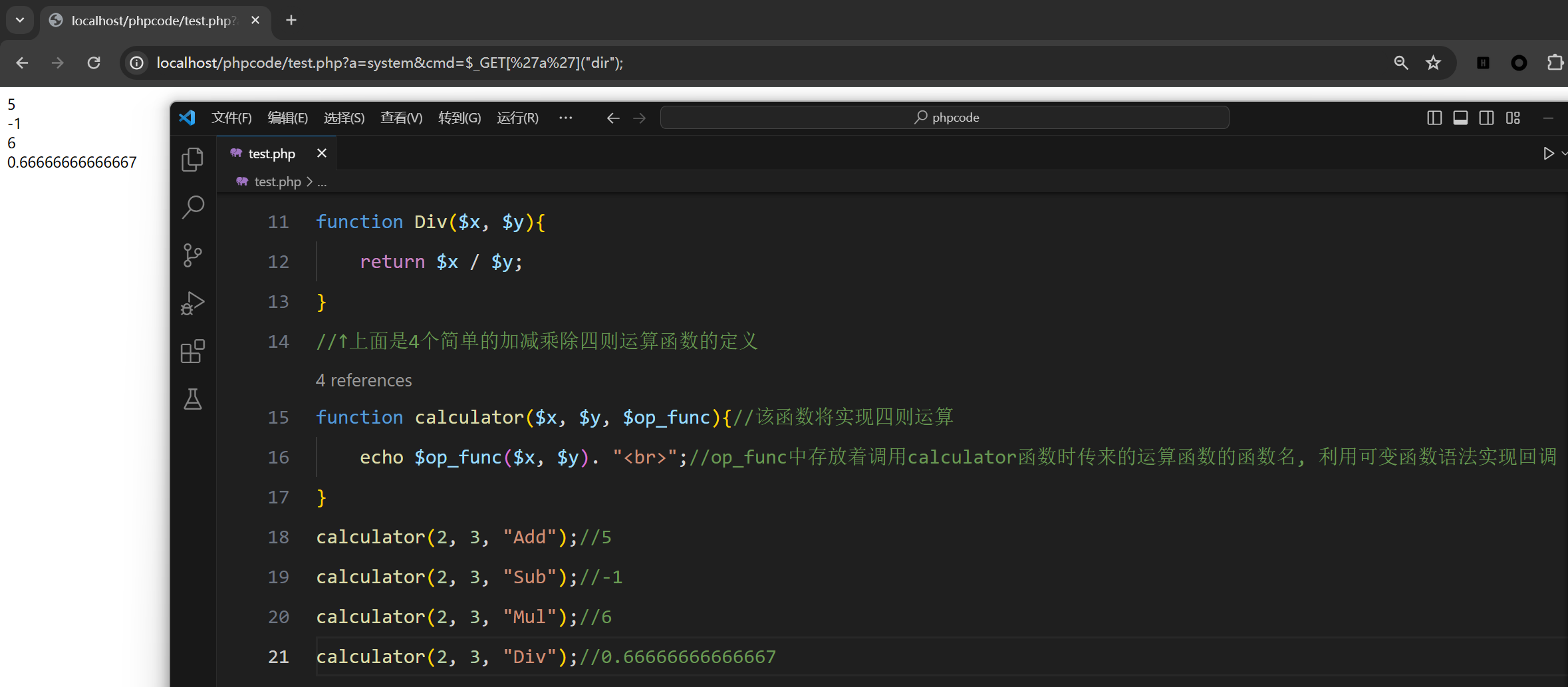
php基础学习之可变函数(web渗透测试关键字绕过rce和回调函数)
可变函数 看可变函数的知识点之前,蒟蒻博主建议你先去看看php的可变变量,会更加方便理解,在本篇博客中的第五块知识点->php基础学习之变量-CSDN博客 描述 当一个变量所保存的值刚好是一个函数的名字(由函数命名规则可知该值必…...

MongoDB聚合操作符:$acos
$acos操作符返回一个值的反余弦。从MongoDB4.2版本开始支持。 语法 { $acos: <expression> }$acos接受任何可被解析为值在-1到1之间的表达式,即:-1 < value < 1$acos返回值以弧度为单位,使用$radiansToDegrees操作符可以把输出…...
开源PDF工具 Apache PDFBox 认识及使用(知识点+案例)
文章目录 前言源码获取一、认识PDFBox二、导入依赖三、基础功能demo1:读取pdf所有内容demo2:读取所有页内容(分页)demo3:添加页眉、页脚demo4:添加居中45文字水印demo5:添加图片到右上角 参考文…...

微软.NET6开发的C#特性——委托和事件
我是荔园微风,作为一名在IT界整整25年的老兵,看到不少初学者在学习编程语言的过程中如此的痛苦,我决定做点什么,下面我就重点讲讲微软.NET6开发人员需要知道的C#特性,然后比较其他各种语言进行认识。 C#经历了多年发展…...
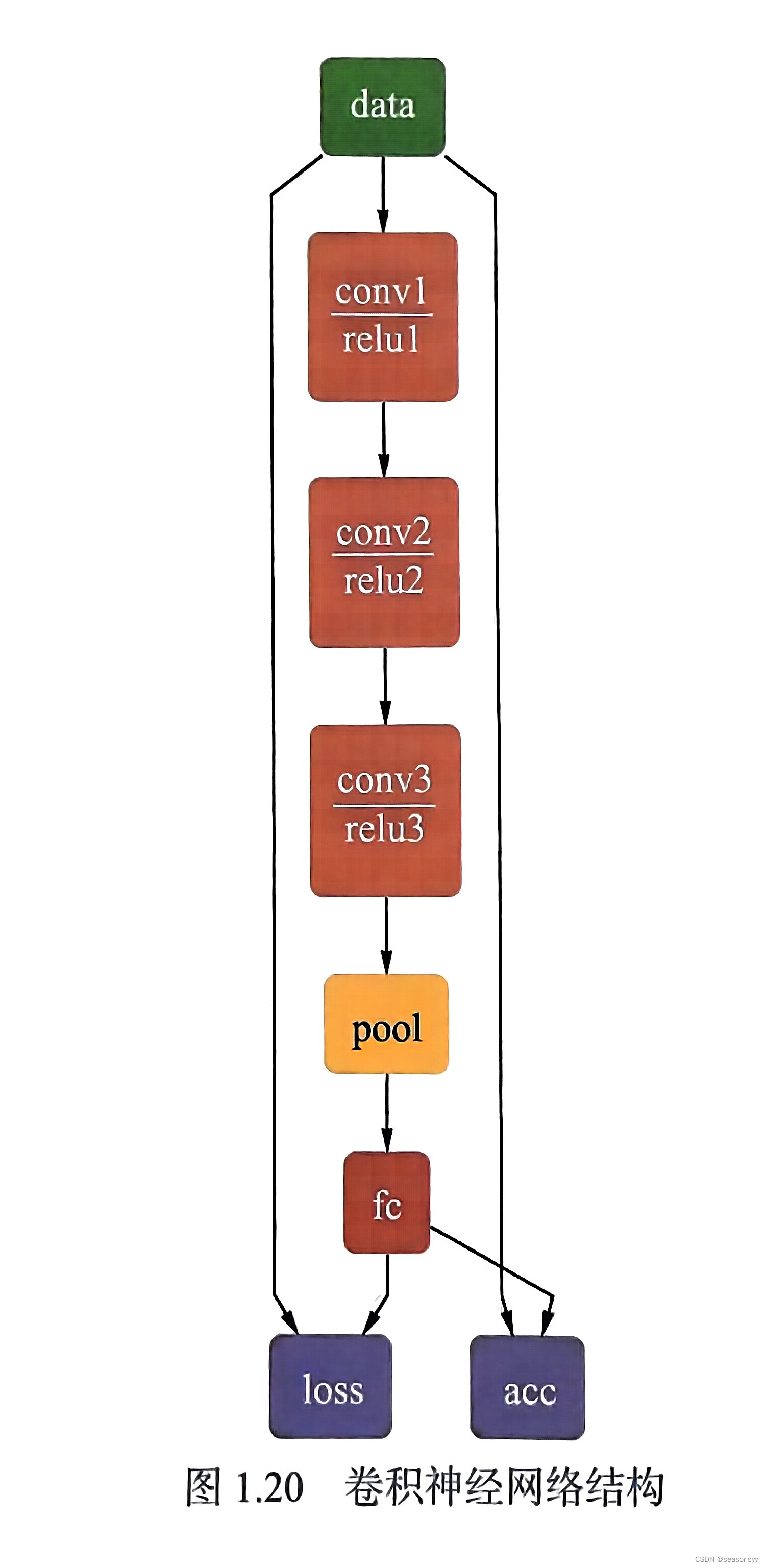
卷积神经网络的基本结构
卷积神经网络的基本结构 与传统的全连接神经网络一样,卷积神经网络依然是一个层级网络,只不过层的功能和形式发生了变化。 典型的CNN结构包括: 数据输入层(Input Layer)卷积层(Convolutional Layer&#x…...

python:使用GDAL库读取遥感影像指定行列数/经纬度坐标的像素值
作者:CSDN @ _养乐多_ 本文将介绍如何使用GDAL库来读取单波段遥感影像数据,如何获取指定行列位置的像素的经纬度坐标,并根据像素行列数或者经纬度坐标获取像素值。代码由python实现。 文章目录 一、读取影像二、获取指定行列位置的像素坐标三、根据地理坐标获取像素值四、根…...

Redis篇----第一篇
系列文章目录 文章目录 系列文章目录前言一、什么是 Redis?二、Redis 与其他 key-value 存储有什么不同?三、Redis 的数据类型?四、使用 Redis 有哪些好处?五、Redis 相比 Memcached 有哪些优势?前言 前些天发现了一个巨牛的人工智能学习网站,通俗易懂,风趣幽默,忍不住…...

ARM DCC通信机制与RealMonitor协议栈解析
1. ARM DCC通信机制深度解析 调试通信通道(Debug Communications Channel, DCC)是ARM架构中用于主机调试器与目标设备通信的基础设施。不同于常规的串口或USB调试接口,DCC直接利用ARM核心的调试组件实现,具有以下显著特点: 寄存器级通信 &a…...

HttpOnly Cookie 深度解析
一、什么是 HttpOnly Cookie HttpOnly 是一个可以附加在 Set-Cookie 响应头上的标志位(flag)。当一个 Cookie 被标记为 HttpOnly 后,客户端脚本(如 JavaScript)将无法通过 document.cookie 等 API 访问该 Cookie&…...

Umi-OCR:完全免费开源的离线OCR神器,3分钟快速上手文字识别
Umi-OCR:完全免费开源的离线OCR神器,3分钟快速上手文字识别 【免费下载链接】Umi-OCR OCR software, free and offline. 开源、免费的离线OCR软件。支持截屏/批量导入图片,PDF文档识别,排除水印/页眉页脚,扫描/生成二维…...

对比直接使用厂商 API 体验 Taotoken 在模型切换上的便利性
🚀 告别海外账号与网络限制!稳定直连全球优质大模型,限时半价接入中。 👉 点击领取海量免费额度 对比直接使用厂商 API 体验 Taotoken 在模型切换上的便利性 在个人开发项目中接入大模型时,开发者通常面临一个选择&am…...

Windows平台QT BLE开发避坑指南:从环境搭建到稳定通信
1. Windows平台QT BLE开发环境搭建 在Windows平台上使用QT进行BLE开发,首先需要确保开发环境正确配置。我遇到过不少开发者因为环境问题卡在第一步,白白浪费好几天时间。这里分享几个关键点: 编译器选择是第一个坑。实测发现必须使用MSVC编译…...

从日志到环境变量:根治 Android Studio AVD 启动报错“The emulator process has terminated”
1. 从错误弹窗到日志分析:定位问题的第一步 当你兴冲冲地打开Android Studio准备启动AVD(Android Virtual Device)时,突然弹出一个冰冷的提示框:"The emulator process has terminated",这感觉就…...

5分钟快速掌握Windows右键菜单终极管理神器ContextMenuManager
5分钟快速掌握Windows右键菜单终极管理神器ContextMenuManager 【免费下载链接】ContextMenuManager 🖱️ 纯粹的Windows右键菜单管理程序 项目地址: https://gitcode.com/gh_mirrors/co/ContextMenuManager 你是不是经常在右键文件时,面对几十个…...
)
【优化交叉口的绿灯时间】基于遗传算法的交通灯管理研究(Matlab代码实现)
💥💥💞💞欢迎来到本博客❤️❤️💥💥 🏆博主优势:🌞🌞🌞博客内容尽量做到思维缜密,逻辑清晰,为了方便读者。 ⛳️座右铭&a…...

从开源AI导师项目GURU-Ai拆解:如何构建具备教学能力的智能体
1. 项目概述:一个“AI导师”的诞生与定位最近在GitHub上看到一个挺有意思的项目,叫“Guru322/GURU-Ai”。光看名字,你可能会觉得这又是一个平平无奇的AI工具仓库。但点进去细看,你会发现它的野心不小——它想做的不是又一个聊天机…...

基于Groq LPU与React技术栈构建极速AI聊天应用实战
1. 项目概述:当极速推理遇上聊天应用最近在折腾AI应用开发的朋友,估计都绕不开一个词:推理速度。模型能力再强,如果生成一句话要等上十几秒,用户体验就无从谈起。正是在这种背景下,我注意到了unclecode/gro…...