
【人工智能】Python在机器学习与人工智能中的应用
Python因其简洁易用、丰富的库支持以及强大的社区,被广泛应用于机器学习与人工智能(AI)领域。本教程通过实用的代码示例和讲解,带你从零开始掌握Python在机器学习与人工智能中的基本用法。
1. 机器学习与AI的Python生态系统
Python拥有多种支持机器学习和AI的库,以下是几个核心库:
- NumPy:处理高效数组和矩阵运算。
- Pandas:提供数据操作与分析工具。
- Matplotlib/Seaborn:用于数据可视化。
- Scikit-learn:机器学习的核心库,包含分类、回归、聚类等算法。
- TensorFlow/PyTorch:深度学习框架,用于构建和训练神经网络。
安装:
pip install numpy pandas matplotlib scikit-learn tensorflow2. 数据预处理
加载数据
import pandas as pd# 示例数据
data = pd.DataFrame({'Feature1': [1, 2, 3, 4, 5],'Feature2': [5, 4, 3, 2, 1],'Target': [1, 0, 1, 0, 1]
})print(data)
输出:
   Feature1  Feature2  Target
0         1         5       1
1         2         4       0
2         3         3       1
3         4         2       0
4         5         1       1
特征缩放
归一化或标准化数据有助于提升模型性能。
import pandas as pd
from sklearn.preprocessing import MinMaxScalerdata = pd.DataFrame({'Feature1': [1, 2, 3, 4, 5],'Feature2': [5, 4, 3, 2, 1],'Target': [1, 0, 1, 0, 1]
})scaler = MinMaxScaler()
scaled_features = scaler.fit_transform(data[['Feature1', 'Feature2']])
print(scaled_features)
输出:
[[0. 1. ][0.25 0.75][0.5 0.5 ][0.75 0.25][1. 0. ]]3. 数据可视化
利用Matplotlib和Seaborn绘制数据分布图。
import pandas as pd
from sklearn.preprocessing import MinMaxScaler
import matplotlib.pyplot as plt
import seaborn as snsdata = pd.DataFrame({'Feature1': [1, 2, 3, 4, 5],'Feature2': [5, 4, 3, 2, 1],'Target': [1, 0, 1, 0, 1]
})scaler = MinMaxScaler()
scaled_features = scaler.fit_transform(data[['Feature1', 'Feature2']])
print(scaled_features)# 散点图
sns.scatterplot(x='Feature1', y='Feature2', hue='Target', data=data)
plt.title('Feature Scatter Plot')
plt.show()

4. 构建第一个机器学习模型
使用Scikit-learn实现分类模型。
拆分数据
import pandas as pd
from sklearn.model_selection import train_test_splitdata = pd.DataFrame({'Feature1': [1, 2, 3, 4, 5],'Feature2': [5, 4, 3, 2, 1],'Target': [1, 0, 1, 0, 1]
})X = data[['Feature1', 'Feature2']]
y = data['Target']X_train, X_test, y_train, y_test = train_test_split(X, y, test_size=0.2, random_state=42)print('X_train:')
print(X_train)
print('X_test:')
print(X_test)
print('y_train:')
print(y_train)
print('y_test:')
print(y_test)
X_train:Feature1  Feature2
4         5         1
2         3         3
0         1         5
3         4         2X_test:Feature1  Feature2
1         2         4y_train:
4    1
2    1
0    1
3    0
Name: Target, dtype: int64y_test:
1    0
Name: Target, dtype: int64
训练模型
import pandas as pd
from sklearn.model_selection import train_test_split
from sklearn.ensemble import RandomForestClassifier
from sklearn.metrics import accuracy_scoredata = pd.DataFrame({'Feature1': [1, 2, 3, 4, 5],'Feature2': [5, 4, 3, 2, 1],'Target': [1, 0, 1, 0, 1]
})X = data[['Feature1', 'Feature2']]
y = data['Target']X_train, X_test, y_train, y_test = train_test_split(X, y, test_size=0.2, random_state=42)# 随机森林分类器
model = RandomForestClassifier()
model.fit(X_train, y_train)# 预测
y_pred = model.predict(X_test)
print("Accuracy:", accuracy_score(y_test, y_pred))
Accuracy: 0.05. 深度学习与神经网络
构建一个简单的神经网络进行分类任务。
安装TensorFlow
conda install tensorflow如果安装遇到Could not solve for environment spec错误,请先执行以下命令
conda create -n tf_env python=3.8
conda activate tf_env
构建模型
import tensorflow as tf
from tensorflow.keras.models import Sequential
from tensorflow.keras.layers import Dense# 构建神经网络
model = Sequential([Dense(8, input_dim=2, activation='relu'),Dense(4, activation='relu'),Dense(1, activation='sigmoid')
])
编译与训练
model.compile(optimizer='adam', loss='binary_crossentropy', metrics=['accuracy'])
model.fit(X_train, y_train, epochs=50, batch_size=1, verbose=1)
评估模型
loss, accuracy = model.evaluate(X_test, y_test)
print("Loss:", loss)
print("Accuracy:", accuracy)
完整代码
import pandas as pd
from sklearn.model_selection import train_test_split
import tensorflow as tf
from tensorflow.keras.models import Sequential
from tensorflow.keras.layers import Densedata = pd.DataFrame({'Feature1': [1, 2, 3, 4, 5],'Feature2': [5, 4, 3, 2, 1],'Target': [1, 0, 1, 0, 1]
})X = data[['Feature1', 'Feature2']]
y = data['Target']X_train, X_test, y_train, y_test = train_test_split(X, y, test_size=0.2, random_state=42)# 构建神经网络
model = Sequential([Dense(8, input_dim=2, activation='relu'),Dense(4, activation='relu'),Dense(1, activation='sigmoid')
])model.compile(optimizer='adam', loss='binary_crossentropy', metrics=['accuracy'])
model.fit(X_train, y_train, epochs=50, batch_size=1, verbose=1)loss, accuracy = model.evaluate(X_test, y_test)
print("Loss:", loss)
print("Accuracy:", accuracy)
输出:
Epoch 1/50
4/4 [==============================] - 1s 1ms/step - loss: 0.6867 - accuracy: 0.5000
Epoch 2/50
4/4 [==============================] - 0s 997us/step - loss: 0.6493 - accuracy: 0.5000
Epoch 3/50
4/4 [==============================] - 0s 997us/step - loss: 0.6183 - accuracy: 0.5000
Epoch 4/50
4/4 [==============================] - 0s 665us/step - loss: 0.5920 - accuracy: 0.5000
Epoch 5/50
4/4 [==============================] - 0s 1ms/step - loss: 0.5702 - accuracy: 0.5000
Epoch 6/50
4/4 [==============================] - 0s 997us/step - loss: 0.5612 - accuracy: 0.7500
Epoch 7/50
4/4 [==============================] - 0s 998us/step - loss: 0.5405 - accuracy: 0.7500
Epoch 8/50
4/4 [==============================] - 0s 665us/step - loss: 0.5223 - accuracy: 0.7500
Epoch 9/50
4/4 [==============================] - 0s 1ms/step - loss: 0.5047 - accuracy: 0.7500
Epoch 10/50
4/4 [==============================] - 0s 665us/step - loss: 0.4971 - accuracy: 0.7500
Epoch 11/50
4/4 [==============================] - 0s 997us/step - loss: 0.4846 - accuracy: 0.7500
Epoch 12/50
4/4 [==============================] - 0s 997us/step - loss: 0.4762 - accuracy: 0.7500
Epoch 13/50
4/4 [==============================] - 0s 665us/step - loss: 0.4753 - accuracy: 0.7500
Epoch 14/50
4/4 [==============================] - 0s 997us/step - loss: 0.4623 - accuracy: 1.0000
Epoch 15/50
4/4 [==============================] - 0s 998us/step - loss: 0.4563 - accuracy: 1.0000
Epoch 16/50
4/4 [==============================] - 0s 998us/step - loss: 0.4530 - accuracy: 1.0000
Epoch 17/50
4/4 [==============================] - 0s 997us/step - loss: 0.4469 - accuracy: 1.0000
Epoch 18/50
4/4 [==============================] - 0s 997us/step - loss: 0.4446 - accuracy: 0.7500
Epoch 19/50
4/4 [==============================] - 0s 665us/step - loss: 0.4385 - accuracy: 0.7500
Epoch 20/50
4/4 [==============================] - 0s 998us/step - loss: 0.4355 - accuracy: 0.7500
Epoch 21/50
4/4 [==============================] - 0s 997us/step - loss: 0.4349 - accuracy: 0.7500
Epoch 22/50
4/4 [==============================] - 0s 665us/step - loss: 0.4290 - accuracy: 0.7500
Epoch 23/50
4/4 [==============================] - 0s 997us/step - loss: 0.4270 - accuracy: 0.7500
Epoch 24/50
4/4 [==============================] - 0s 997us/step - loss: 0.4250 - accuracy: 0.7500
Epoch 25/50
4/4 [==============================] - 0s 665us/step - loss: 0.4218 - accuracy: 0.7500
Epoch 26/50
4/4 [==============================] - 0s 997us/step - loss: 0.4192 - accuracy: 0.7500
Epoch 27/50
4/4 [==============================] - 0s 997us/step - loss: 0.4184 - accuracy: 0.7500
Epoch 28/50
4/4 [==============================] - 0s 665us/step - loss: 0.4152 - accuracy: 0.7500
Epoch 29/50
4/4 [==============================] - 0s 997us/step - loss: 0.4129 - accuracy: 0.7500
Epoch 30/50
4/4 [==============================] - 0s 997us/step - loss: 0.4111 - accuracy: 0.7500
Epoch 31/50
4/4 [==============================] - 0s 997us/step - loss: 0.4095 - accuracy: 0.7500
Epoch 32/50
4/4 [==============================] - 0s 997us/step - loss: 0.4070 - accuracy: 0.7500
Epoch 33/50
4/4 [==============================] - 0s 997us/step - loss: 0.4053 - accuracy: 0.7500
Epoch 34/50
4/4 [==============================] - 0s 997us/step - loss: 0.4033 - accuracy: 0.7500
Epoch 35/50
4/4 [==============================] - 0s 998us/step - loss: 0.4028 - accuracy: 0.7500
Epoch 36/50
4/4 [==============================] - 0s 997us/step - loss: 0.3998 - accuracy: 0.7500
Epoch 37/50
4/4 [==============================] - 0s 1ms/step - loss: 0.3978 - accuracy: 0.7500
Epoch 38/50
4/4 [==============================] - 0s 997us/step - loss: 0.3966 - accuracy: 0.7500
Epoch 39/50
4/4 [==============================] - 0s 665us/step - loss: 0.3946 - accuracy: 0.7500
Epoch 40/50
4/4 [==============================] - 0s 997us/step - loss: 0.3926 - accuracy: 0.7500
Epoch 41/50
4/4 [==============================] - 0s 997us/step - loss: 0.3918 - accuracy: 0.7500
Epoch 42/50
4/4 [==============================] - 0s 997us/step - loss: 0.3898 - accuracy: 0.7500
Epoch 43/50
4/4 [==============================] - 0s 997us/step - loss: 0.3877 - accuracy: 0.7500
Epoch 44/50
4/4 [==============================] - 0s 997us/step - loss: 0.3861 - accuracy: 0.7500
Epoch 45/50
4/4 [==============================] - 0s 665us/step - loss: 0.3842 - accuracy: 0.7500
Epoch 46/50
4/4 [==============================] - 0s 665us/step - loss: 0.3830 - accuracy: 0.7500
Epoch 47/50
4/4 [==============================] - 0s 997us/step - loss: 0.3815 - accuracy: 0.7500
Epoch 48/50
4/4 [==============================] - 0s 665us/step - loss: 0.3790 - accuracy: 0.7500
Epoch 49/50
4/4 [==============================] - 0s 665us/step - loss: 0.3778 - accuracy: 0.7500
Epoch 50/50
4/4 [==============================] - 0s 997us/step - loss: 0.3768 - accuracy: 0.7500
1/1 [==============================] - 0s 277ms/step - loss: 2.8638 - accuracy: 0.0000e+00
Loss: 2.863826274871826
Accuracy: 0.0
6. 数据聚类
实现一个K-Means聚类模型:
from sklearn.cluster import KMeans# 数据
data_points = [[1, 2], [2, 3], [3, 4], [8, 7], [9, 8], [10, 9]]# K-Means
kmeans = KMeans(n_clusters=2)
kmeans.fit(data_points)# 输出聚类中心
print("Cluster Centers:", kmeans.cluster_centers_)
输出:
Cluster Centers: [[9. 8.][2. 3.]]7. 自然语言处理 (NLP)
使用NLTK处理文本数据:
pip install nltk文本分词
import nltknltk.download('punkt_tab')
nltk.download('punkt')from nltk.tokenize import word_tokenizetext = "Machine learning is amazing!"
tokens = word_tokenize(text)
print(tokens)
输出:
['Machine', 'learning', 'is', 'amazing', '!']词袋模型
from sklearn.feature_extraction.text import CountVectorizertexts = ["I love Python", "Python is great for AI"]
vectorizer = CountVectorizer()
X = vectorizer.fit_transform(texts)print(X.toarray())
输出:
[[0 0 0 0 1 1][1 1 1 1 0 1]]8. 实用案例:房价预测
from sklearn.datasets import fetch_california_housing
from sklearn.model_selection import train_test_split
from sklearn.linear_model import LinearRegression
from sklearn.metrics import mean_squared_error# 加载数据集
data = fetch_california_housing(as_frame=True)
X = data.data
y = data.target# 数据拆分
X_train, X_test, y_train, y_test = train_test_split(X, y, test_size=0.2, random_state=42)# 模型训练
model = LinearRegression()
model.fit(X_train, y_train)# 预测
y_pred = model.predict(X_test)
print("Model Coefficients:", model.coef_)# 评估
mse = mean_squared_error(y_test, y_pred)
print(f"Mean Squared Error: {mse}")
输出:
Model Coefficients: [ 4.48674910e-01  9.72425752e-03 -1.23323343e-01  7.83144907e-01-2.02962058e-06 -3.52631849e-03 -4.19792487e-01 -4.33708065e-01]
Mean Squared Error: 0.5558915986952442
总结
本教程涵盖了Python在机器学习和人工智能领域的基础应用,从数据预处理、可视化到模型构建和评估,再到深度学习的基本实现。通过这些示例,你可以逐步掌握如何使用Python进行机器学习和AI项目开发。
相关文章:
【人工智能】Python在机器学习与人工智能中的应用
Python因其简洁易用、丰富的库支持以及强大的社区,被广泛应用于机器学习与人工智能(AI)领域。本教程通过实用的代码示例和讲解,带你从零开始掌握Python在机器学习与人工智能中的基本用法。 1. 机器学习与AI的Python生态系统 Pyth…...
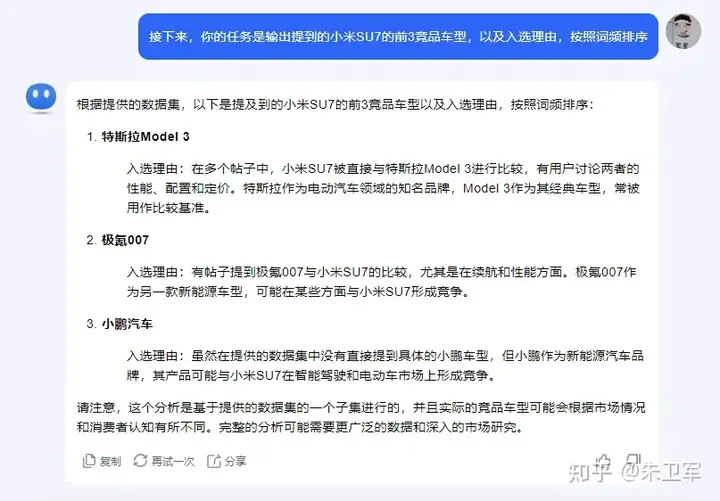
使用八爪鱼爬虫抓取汽车网站数据,分析舆情数据
我是做汽车行业的,可以用八爪鱼爬虫抓取汽车之家和微博上的汽车文章内容,分析各种电动汽车口碑数据。 之前,我写过很多Python网络爬虫的案例,使用requests、selenium等技术采集数据,这次尝试去采集小米SU7在微博、汽车…...

什么是事务?事务有哪些特性?
在数据库管理中,事务是一个核心概念,它确保了数据操作的完整性和一致性。本文将探讨事务的定义及其四大特性。 一、事务的定义 事务是数据库操作的最小工作单元,是作为单个逻辑工作单元执行的一系列操作。这些操作作为一个整体一起向系统提…...
)
玩转合宙Luat教程 基础篇④——程序基础(库、线程、定时器和订阅/发布)
文章目录 一、前言二、库三、线程四、定时器五、订阅/发布5.1 回调函数5.2 堵塞等待一、前言 教程目录大纲请查阅:玩转合宙Luat教程——导读 写一写Lua程序基础的东西。 包括如何调用库,如何创建线程、如何创建定时器,如何使用订阅/发布事件。 二、库 程序从main.lua开始通…...

24.<Spring博客系统①(数据库+公共代码+持久层+显示博客列表+博客详情)>
项目整体预览 登录页面 主页 查看全文 编辑 写博客 PS:Service.impl(现在流行写法) 推荐写法。后续完成项目。会尝试这样写。 接口可以有多个实现。每个实现都可以不同。 这也算一种设计模式。叫做(策略模式)。 我们…...
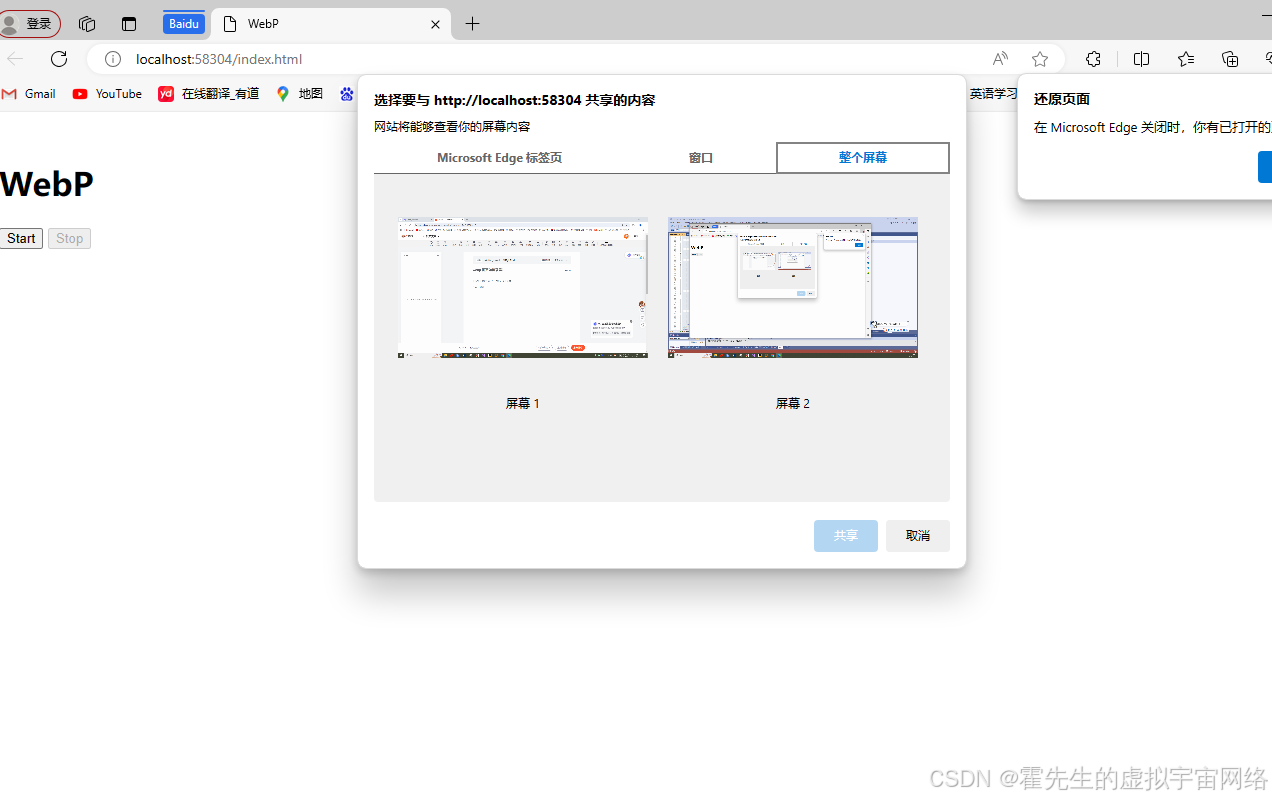
webp 网页如何录屏?
工作中正好研究到了一点:记录下这里: 先看下效果: 具体实现代码:  <!DOCTYPE html> <html lang"zh-CN"> <head><meta charset"UTF-8"><meta name"viewport&qu…...

丹摩征文活动|实现Llama3.1大模型的本地部署
文章目录 1.前言2.丹摩的配置3.Llama3.1的本地配置4. 最终界面 丹摩 1.前言 Llama3.1是Meta 公司发布的最新开源大型语言模型,相较于之前的版本,它在规模和功能上实现了显著提升,尤其是最大的 4050亿参数版本,成为开源社区中非常…...

Spring Boot 2 和 Spring Boot 3 中使用 Spring Security 的区别
文章目录 Spring Boot 2 和 Spring Boot 3 中使用 Spring Security 的区别1. Jakarta EE 迁移2. Spring Security 配置方式的变化3. PasswordEncoder 加密方式的变化4. permitAll() 和 authenticated() 的变化5. 更强的默认安全设置6. Java 17 支持与语法提升7. PreAuthorize、…...

【数据结构与算法】 LeetCode:回溯
文章目录 回溯算法组合组合总和(Hot 100)组合总和 II电话号码的字母组合(Hot 100)括号生成(Hot 100)分割回文串(Hot 100)复原IP地址子集(Hot 100)全排列&…...

SpringBoot线程池的使用
SpringBoot线程池的使用 在现代Web应用开发中,特别是在使用Spring Boot框架时,合理使用线程池可以显著提高应用的性能和响应速度。线程池不仅能够减少线程创建和销毁的开销,还能有效地控制并发任务的数量,避免因线程过多而导致的…...
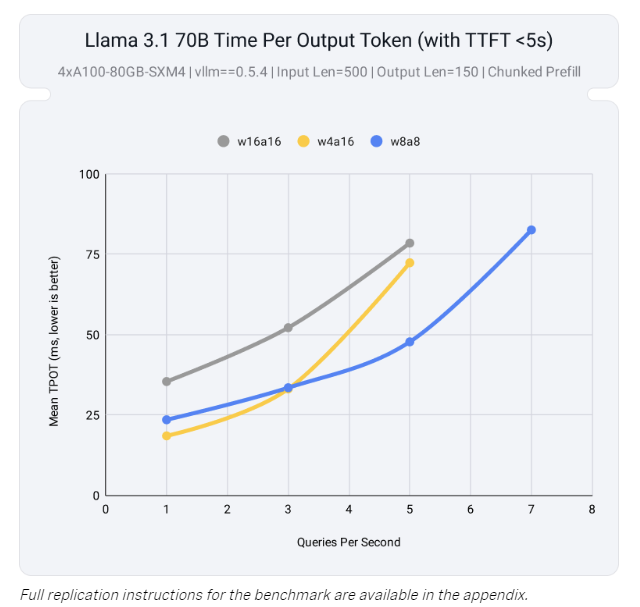
Neural Magic 发布 LLM Compressor:提升大模型推理效率的新工具
每周跟踪AI热点新闻动向和震撼发展 想要探索生成式人工智能的前沿进展吗?订阅我们的简报,深入解析最新的技术突破、实际应用案例和未来的趋势。与全球数同行一同,从行业内部的深度分析和实用指南中受益。不要错过这个机会,成为AI领…...

HttpServletRequest req和前端的关系,req.getParameter详细解释,req.getParameter和前端的关系
HttpServletRequest 对象在后端和前端之间起到了桥梁的作用,它包含了来自客户端的所有请求信息。通过 HttpServletRequest 对象,后端可以获取前端发送的请求参数、请求头、请求方法等信息,并根据这些信息进行相应的处理。以下是对 HttpServle…...

React-useEffect的使用
useEffect react提供的一个常用hook,用于在函数组件中执行副作用操作,比如数据获取、订阅或手动更改DOM。 基本用法: 接受2个参数: 一个包含命令式代码的函数(副作用函数)。一个依赖项数组,用…...

MySQL数据库与Informix:能否创建同名表?
MySQL数据库与Informix:能否创建同名表? 一、MySQL数据库中的同名表创建1. 使用CREATE TABLE ... SELECT语句2. 使用CREATE TABLE LIKE语句3. 复制表结构并选择性复制数据4. 使用同义词(Synonym)二、Informix数据库中的同名表创建1. 使用不同所有者2. 使用不同模式3. 复制表…...

爬虫实战:采集知乎XXX话题数据
目录 反爬虫的本意和其带来的挑战目标实战开发准备代码开发发现问题1. 发现问题[01]2. 发现问题[02] 解决问题1. 解决问题[01]2. 解决问题[02] 最终结果 结语 反爬虫的本意和其带来的挑战 在这个数字化时代社交媒体已经成为人们表达观点的重要渠道,对企业来说&…...

大数据新视界 -- Hive 数据桶原理:均匀分布数据的智慧(上)(9/ 30)
💖💖💖亲爱的朋友们,热烈欢迎你们来到 青云交的博客!能与你们在此邂逅,我满心欢喜,深感无比荣幸。在这个瞬息万变的时代,我们每个人都在苦苦追寻一处能让心灵安然栖息的港湾。而 我的…...

【小白学机器学习33】 大数定律python的 pandas.Dataframe 和 pandas.Series基础内容
目录 0 总结 0.1pd.Dataframe有一个比较麻烦琐碎的地方,就是引号 和括号 0.2 pd.Dataframe关于括号的原则 0.3 分清楚几个数据类型和对应的方法的范围 0.4 几个数据结构的构造关系 list → np.array(list) → pd.Series(np.array)/pd.Dataframe 1 python 里…...

【shodan】(五)网段利用
shodan基础(五) 声明:该笔记为up主 泷羽的课程笔记,本节链接指路。 警告:本教程仅作学习用途,若有用于非法行为的,概不负责。 nsa ip address range www.nsa.gov需科学上网 搜索网段 shodan s…...
)
LeetCode739. 每日温度(2024冬季每日一题 15)
给定一个整数数组 temperatures ,表示每天的温度,返回一个数组 answer ,其中 answer[i] 是指对于第 i 天,下一个更高温度出现在几天后。如果气温在这之后都不会升高,请在该位置用 0 来代替。 示例 1: 输入: temperatu…...

Node.js的http模块:创建HTTP服务器、客户端示例
新书速览|Vue.jsNode.js全栈开发实战-CSDN博客 《Vue.jsNode.js全栈开发实战(第2版)(Web前端技术丛书)》(王金柱)【摘要 书评 试读】- 京东图书 (jd.com) 要使用http模块,只需要在文件中通过require(http)引入即可。…...

一键式自动化工具OneClickCopaw:从Shell脚本到CI/CD的部署实践
1. 项目概述与核心价值最近在折腾一些自动化脚本时,发现了一个挺有意思的项目,叫iwanglei1/OneClickCopaw。光看名字,你可能会有点懵,“Copaw”是什么?其实,这是一个典型的“一键式”自动化工具,…...

GoFrame+Vue3后台管理框架的WebSocket即时通讯实战:架构设计与消息推送
在 GoFrame Vue3 后台管理框架的开发中,即时通讯(IM)是一个高频需求——从站内信到客服系统,从通知推送到协作消息,都离不开 WebSocket 长连接。 XYGo Admin 基于 gorilla/websocket 实现了一套完整的即时通讯体系&a…...

ANSI转义序列封装:cursor-reset库实现终端光标精准控制
1. 项目概述与核心价值 最近在折腾一些自动化工具链,发现一个挺有意思的小项目,叫 zhitrend/cursor-reset 。乍一看名字,你可能会觉得这只是一个重置光标位置的小工具,但实际用下来,我发现它解决的痛点非常精准&…...

gogoclaw:基于文件与技能的自主智能体运行时设计与实践
1. 项目概述:一个以文件为基石的自主智能体运行时如果你和我一样,对市面上那些“黑盒”式的AI智能体框架感到厌倦,总觉得它们把太多逻辑和状态藏在运行时深处,调试和扩展起来像在拆盲盒,那么gogoclaw这个项目可能会让你…...

BetterRTX终极指南:三步免费提升Minecraft画质的完整方案
BetterRTX终极指南:三步免费提升Minecraft画质的完整方案 【免费下载链接】BetterRTX-Installer The Powershell Installer for BetterRTX! BetterRTX is a Ray-Tracing mod for Minecraft Bedrock. 项目地址: https://gitcode.com/gh_mirrors/be/BetterRTX-Insta…...

终极指南:如何用FanControl实现Windows系统风扇智能温控与静音优化
终极指南:如何用FanControl实现Windows系统风扇智能温控与静音优化 【免费下载链接】FanControl.Releases This is the release repository for Fan Control, a highly customizable fan controlling software for Windows. 项目地址: https://gitcode.com/GitHub…...

美政府AI主管:Anthropic 将在 18 个月内成为人类历史最有价值公司
Anthropic 已经成为人工智能革命中最成功的案例之一,但这或许还不是全部。风险投资家兼美国政府人工智能和加密货币沙皇大卫萨克斯在 All-In播客节目中提出了一个惊人的说法:Anthropic 不仅有望成为科技界最强大的公司,而且有望成为人类历史上…...

Vivado 伪双口RAM IP核的配置精髓与实战避坑指南
1. 伪双口RAM的本质与真双口RAM的差异 第一次接触伪双口RAM(Simple Dual Port RAM)时,很多人会疑惑它和真双口RAM(True Dual Port RAM)到底有什么区别。这个问题困扰了我很久,直到在实际项目中踩了几个坑才…...

5步精通:Windows风扇智能控制终极指南
5步精通:Windows风扇智能控制终极指南 【免费下载链接】FanControl.Releases This is the release repository for Fan Control, a highly customizable fan controlling software for Windows. 项目地址: https://gitcode.com/GitHub_Trending/fa/FanControl.Rel…...

点云成像三维焊缝识别与机器人跟踪【附代码】
✨ 长期致力于点云成像、焊缝识别定位、机器人、点云拼接、焊缝轨迹跟踪研究工作,擅长数据搜集与处理、建模仿真、程序编写、仿真设计。 ✅ 专业定制毕设、代码 ✅如需沟通交流,点击《获取方式》 (1)基于圆柱体拟合与ICP拼接的点云…...