
深度学习 —— 个人学习笔记20(转置卷积、全卷积网络)
声明
本文章为个人学习使用,版面观感若有不适请谅解,文中知识仅代表个人观点,若出现错误,欢迎各位批评指正。
三十九、转置卷积
import torch
from torch import nndef trans_conv(X, K):h, w = K.shapeY = torch.zeros((X.shape[0] + h - 1, X.shape[1] + w - 1))for i in range(X.shape[0]):for j in range(X.shape[1]):Y[i: i + h, j: j + w] += X[i, j] * Kreturn YX = torch.tensor([[0.0, 1.0], [2.0, 3.0]])
K = torch.tensor([[0.0, 1.0], [2.0, 3.0]])
print(f'基本的二维转置卷积运算 : {trans_conv(X, K)}')X, K = X.reshape(1, 1, 2, 2), K.reshape(1, 1, 2, 2)
tconv = nn.ConvTranspose2d(1, 1, kernel_size=2, bias=False)
tconv.weight.data = K
print(f'输入输出都是四维张量时 : {tconv(X)}')# 在转置卷积中,填充被应用于输出(常规卷积将填充应用于输入)。
# 当将高和宽两侧的填充数指定为 1 时,转置卷积的输出中将删除第一和最后的行与列。
tconv = nn.ConvTranspose2d(1, 1, kernel_size=2, padding=1, bias=False)
tconv.weight.data = K
print(f'padding=1 时 : {tconv(X)}')# 在转置卷积中,步幅被指定为中间结果(输出),而不是输入。
tconv = nn.ConvTranspose2d(1, 1, kernel_size=2, stride=2, bias=False)
tconv.weight.data = K
print(f'stride=2 时 : {tconv(X)}')X = torch.rand(size=(1, 10, 16, 16))
conv = nn.Conv2d(10, 20, kernel_size=5, padding=2, stride=3)
tconv = nn.ConvTranspose2d(20, 10, kernel_size=5, padding=2, stride=3)
print(f'先代入卷积,再代入转置卷积形状不变 : {tconv(conv(X)).shape == X.shape}')def corr2d(X, K):reduce_sum = lambda x, *args, **kwargs: x.sum(*args, **kwargs)h, w = K.shapeY = torch.zeros((X.shape[0] - h + 1, X.shape[1] - w + 1))for i in range(Y.shape[0]):for j in range(Y.shape[1]):Y[i, j] = reduce_sum((X[i: i + h, j: j + w] * K))return YX = torch.arange(9.0).reshape(3, 3)
K = torch.tensor([[1.0, 2.0], [3.0, 4.0]])
Y = corr2d(X, K)
print(f'二维卷积运算 : {Y}')def kernel2matrix(K):k, W = torch.zeros(5), torch.zeros((4, 9))k[:2], k[3:5] = K[0, :], K[1, :]W[0, :5], W[1, 1:6], W[2, 3:8], W[3, 4:] = k, k, k, kreturn WW = kernel2matrix(K)
print(f'稀疏权重矩阵 : {W}')print(f'使用矩阵乘法实现卷积 : {Y == torch.matmul(W, X.reshape(-1)).reshape(2, 2)}')Z = trans_conv(Y, K)
print(f'使用矩阵乘法实现转置卷积 : {Z == torch.matmul(W.T, Y.reshape(-1)).reshape(3, 3)}')

四十、全卷积网络( FCN )
import os
import torch
import time
import torchvision
from PIL import Image
from IPython import display
from torch import nn
import matplotlib.pyplot as plt
from torch.nn import functional as F
from matplotlib_inline import backend_inlinedef accuracy(y_hat, y):                                                           # 定义一个函数来为预测正确的数量计数"""计算预测正确的数量"""if len(y_hat.shape) > 1 and y_hat.shape[1] > 1:y_hat = y_hat.argmax(axis=1)cmp = y_hat.type(y.dtype) == y                                                # bool 类型,若预测结果与实际结果一致,则为 Truereturn float(cmp.type(y.dtype).sum())def evaluate_accuracy_gpu(net, data_iter, device=None):"""使用GPU计算模型在数据集上的精度"""if isinstance(net, nn.Module):net.eval()  # 设置为评估模式if not device:device = next(iter(net.parameters())).device# 正确预测的数量,总预测的数量metric = Accumulator(2)with torch.no_grad():for X, y in data_iter:if isinstance(X, list):# BERT微调所需的(之后将介绍)X = [x.to(device) for x in X]else:X = X.to(device)y = y.to(device)metric.add(accuracy(net(X), y), y.numel())return metric[0] / metric[1]def set_axes(axes, xlabel, ylabel, xlim, ylim, xscale, yscale, legend):axes.set_xlabel(xlabel), axes.set_ylabel(ylabel)axes.set_xscale(xscale), axes.set_yscale(yscale)axes.set_xlim(xlim),     axes.set_ylim(ylim)if legend:axes.legend(legend)axes.grid()class Accumulator:                                                                # 定义一个实用程序类 Accumulator,用于对多个变量进行累加"""在n个变量上累加"""def __init__(self, n):self.data = [0.0] * ndef add(self, *args):self.data = [a + float(b) for a, b in zip(self.data, args)]def reset(self):self.data = [0.0] * len(self.data)def __getitem__(self, idx):return self.data[idx]class Animator:                                                                   # 定义一个在动画中绘制数据的实用程序类 Animator"""在动画中绘制数据"""def __init__(self, xlabel=None, ylabel=None, legend=None, xlim=None,ylim=None, xscale='linear', yscale='linear',fmts=('-', 'm--', 'g-.', 'r:'), nrows=1, ncols=1,figsize=(3.5, 2.5)):# 增量地绘制多条线if legend is None:legend = []backend_inline.set_matplotlib_formats('svg')self.fig, self.axes = plt.subplots(nrows, ncols, figsize=figsize)if nrows * ncols == 1:self.axes = [self.axes, ]# 使用lambda函数捕获参数self.config_axes = lambda: set_axes(self.axes[0], xlabel, ylabel, xlim, ylim, xscale, yscale, legend)self.X, self.Y, self.fmts = None, None, fmtsdef add(self, x, y):# Add multiple data points into the figureif not hasattr(y, "__len__"):y = [y]n = len(y)if not hasattr(x, "__len__"):x = [x] * nif not self.X:self.X = [[] for _ in range(n)]if not self.Y:self.Y = [[] for _ in range(n)]for i, (a, b) in enumerate(zip(x, y)):if a is not None and b is not None:self.X[i].append(a)self.Y[i].append(b)self.axes[0].cla()for x, y, fmt in zip(self.X, self.Y, self.fmts):self.axes[0].plot(x, y, fmt)self.config_axes()display.display(self.fig)# 通过以下两行代码实现了在PyCharm中显示动图# plt.draw()# plt.pause(interval=0.001)display.clear_output(wait=True)plt.rcParams['font.sans-serif'] = ['Microsoft YaHei']class Timer:def __init__(self):self.times = []self.start()def start(self):self.tik = time.time()def stop(self):self.times.append(time.time() - self.tik)return self.times[-1]def sum(self):"""Return the sum of time."""return sum(self.times)def read_voc_images(voc_dir, is_train=True):txt_fname = os.path.join(voc_dir, 'ImageSets', 'Segmentation','train.txt' if is_train else 'val.txt')mode = torchvision.io.image.ImageReadMode.RGBwith open(txt_fname, 'r') as f:images = f.read().split()features, labels = [], []for i, fname in enumerate(images):features.append(torchvision.io.read_image(os.path.join(voc_dir, 'JPEGImages', f'{fname}.jpg')))labels.append(torchvision.io.read_image(os.path.join(voc_dir, 'SegmentationClass' ,f'{fname}.png'), mode))return features, labelsVOC_COLORMAP = [[0, 0, 0], [128, 0, 0], [0, 128, 0], [128, 128, 0],[0, 0, 128], [128, 0, 128], [0, 128, 128], [128, 128, 128],[64, 0, 0], [192, 0, 0], [64, 128, 0], [192, 128, 0],[64, 0, 128], [192, 0, 128], [64, 128, 128], [192, 128, 128],[0, 64, 0], [128, 64, 0], [0, 192, 0], [128, 192, 0],[0, 64, 128]]def voc_colormap2label():colormap2label = torch.zeros(256 ** 3, dtype=torch.long)for i, colormap in enumerate(VOC_COLORMAP):colormap2label[(colormap[0] * 256 + colormap[1]) * 256 + colormap[2]] = ireturn colormap2labeldef voc_rand_crop(feature, label, height, width):rect = torchvision.transforms.RandomCrop.get_params(feature, (height, width))feature = torchvision.transforms.functional.crop(feature, *rect)label = torchvision.transforms.functional.crop(label, *rect)return feature, labeldef voc_label_indices(colormap, colormap2label):colormap = colormap.permute(1, 2, 0).numpy().astype('int32')idx = ((colormap[:, :, 0] * 256 + colormap[:, :, 1]) * 256+ colormap[:, :, 2])return colormap2label[idx]class VOCSegDataset(torch.utils.data.Dataset):def __init__(self, is_train, crop_size, voc_dir):self.transform = torchvision.transforms.Normalize(mean=[0.485, 0.456, 0.406], std=[0.229, 0.224, 0.225])self.crop_size = crop_sizefeatures, labels = read_voc_images(voc_dir, is_train=is_train)self.features = [self.normalize_image(feature)for feature in self.filter(features)]self.labels = self.filter(labels)self.colormap2label = voc_colormap2label()if is_train:print('train : read ' + str(len(self.features)) + ' examples')else:print('validation : read ' + str(len(self.features)) + ' examples')def normalize_image(self, img):return self.transform(img.float() / 255)def filter(self, imgs):return [img for img in imgs if (img.shape[1] >= self.crop_size[0] andimg.shape[2] >= self.crop_size[1])]def __getitem__(self, idx):feature, label = voc_rand_crop(self.features[idx], self.labels[idx],*self.crop_size)return (feature, voc_label_indices(label, self.colormap2label))def __len__(self):return len(self.features)def set_figsize(figsize=(8.5, 6.5)):backend_inline.set_matplotlib_formats('svg')plt.rcParams['figure.figsize'] = figsizeplt.rcParams['font.sans-serif'] = ['Microsoft YaHei']def try_all_gpus():return [torch.device(f'cuda:{i}') for i in range(torch.cuda.device_count())]def load_data_voc(batch_size, crop_size):voc_dir = 'E:\\dayLily'train_iter = torch.utils.data.DataLoader(VOCSegDataset(True, crop_size, voc_dir), batch_size,shuffle=True, drop_last=True)test_iter = torch.utils.data.DataLoader(VOCSegDataset(False, crop_size, voc_dir), batch_size,drop_last=True)return train_iter, test_iterdef show_images(imgs, num_rows, num_cols, suptitle=None, titles=None, scale=1.5):numpy = lambda x, *args, **kwargs: x.detach().numpy(*args, **kwargs)figsize = (num_cols * scale, num_rows * scale)_, axes = plt.subplots(num_rows, num_cols, figsize=figsize)axes = axes.flatten()for i, (ax, img) in enumerate(zip(axes, imgs)):try:img = numpy(img)except:passax.imshow(img)ax.axes.get_xaxis().set_visible(False)ax.axes.get_yaxis().set_visible(False)if titles:ax.set_title(titles[i])elif suptitle:plt.suptitle(suptitle)plt.show()return axespretrained_net = torchvision.models.resnet18(pretrained=True)
print(list(pretrained_net.children())[-3:])net = nn.Sequential(*list(pretrained_net.children())[:-2])X = torch.rand(size=(1, 3, 320, 480))
print(f'net 的前向传播将输入的高和宽减小至原来的 1/32 : {net(X).shape}')num_classes = 21
net.add_module('final_conv', nn.Conv2d(512, num_classes, kernel_size=1))
net.add_module('transpose_conv', nn.ConvTranspose2d(num_classes, num_classes,kernel_size=64, padding=16, stride=32))def bilinear_kernel(in_channels, out_channels, kernel_size):factor = (kernel_size + 1) // 2if kernel_size % 2 == 1:center = factor - 1else:center = factor - 0.5og = (torch.arange(kernel_size).reshape(-1, 1),torch.arange(kernel_size).reshape(1, -1))filt = (1 - torch.abs(og[0] - center) / factor) * \(1 - torch.abs(og[1] - center) / factor)weight = torch.zeros((in_channels, out_channels,kernel_size, kernel_size))weight[range(in_channels), range(out_channels), :, :] = filtreturn weightconv_trans = nn.ConvTranspose2d(3, 3, kernel_size=4, padding=1, stride=2,bias=False)
conv_trans.weight.data.copy_(bilinear_kernel(3, 3, 4))img = torchvision.transforms.ToTensor()(Image.open('E:\\dayLily\\JPEGImages\\2024_959.jpg'))
X = img.unsqueeze(0)
Y = conv_trans(X)
out_img = Y[0].permute(1, 2, 0).detach()set_figsize()
print('input image shape:', img.permute(1, 2, 0).shape)
plt.imshow(img.permute(1, 2, 0))
print('output image shape:', out_img.shape)
plt.imshow(out_img)
plt.title('转置卷积层将图像的高和宽分别放大了 2 倍')
plt.show()W = bilinear_kernel(num_classes, num_classes, 64)
net.transpose_conv.weight.data.copy_(W)batch_size, crop_size = 32, (320, 480)
train_iter, test_iter = load_data_voc(batch_size, crop_size)def loss(inputs, targets):return F.cross_entropy(inputs, targets, reduction='none').mean(1).mean(1)def train_batch(net, X, y, loss, trainer, devices):if isinstance(X, list):X = [x.to(devices[0]) for x in X]else:X = X.to(devices[0])y = y.to(devices[0])net.train()trainer.zero_grad()pred = net(X)l = loss(pred, y)l.sum().backward()trainer.step()train_loss_sum = l.sum()train_acc_sum = accuracy(pred, y)return train_loss_sum, train_acc_sumdef train(net, train_iter, test_iter, loss, trainer, num_epochs,devices=try_all_gpus()):timer, num_batches = Timer(), len(train_iter)animator = Animator(xlabel='epoch', xlim=[1, num_epochs], ylim=[0, 1],legend=['train loss', 'train acc', 'test acc'])net = nn.DataParallel(net, device_ids=devices).to(devices[0])for epoch in range(num_epochs):# Sum of training loss, sum of training accuracy, no. of examples,# no. of predictionsmetric = Accumulator(4)for i, (features, labels) in enumerate(train_iter):timer.start()l, acc = train_batch(net, features, labels, loss, trainer, devices)metric.add(l, acc, labels.shape[0], labels.numel())timer.stop()if (i + 1) % (num_batches // 5) == 0 or i == num_batches - 1:animator.add(epoch + (i + 1) / num_batches,(metric[0] / metric[2], metric[1] / metric[3],None))test_acc = evaluate_accuracy_gpu(net, test_iter)animator.add(epoch + 1, (None, None, test_acc))plt.title(f'loss {metric[0] / metric[2]:.3f}, train acc 'f'{metric[1] / metric[3]:.3f}, test acc {test_acc:.3f}\n'f'{metric[2] * num_epochs / timer.sum():.1f} examples/sec on 'f'{str(torch.cuda.get_device_name())}')plt.show()num_epochs, lr, wd, devices = 5, 0.001, 1e-3, try_all_gpus()
trainer = torch.optim.SGD(net.parameters(), lr=lr, weight_decay=wd)
train(net, train_iter, test_iter, loss, trainer, num_epochs, devices)##### 预测 #####
def predict(img):X = test_iter.dataset.normalize_image(img).unsqueeze(0)pred = net(X.to(devices[0])).argmax(dim=1)return pred.reshape(pred.shape[1], pred.shape[2])def label2image(pred):colormap = torch.tensor(VOC_COLORMAP, device=devices[0])X = pred.long()return colormap[X, :]voc_dir = 'E:\\dayLily'
test_images, test_labels = read_voc_images(voc_dir, False)
n, imgs = 4, []
for i in range(n):crop_rect = (0, 0, 500, 500)X = torchvision.transforms.functional.crop(test_images[i], *crop_rect)pred = label2image(predict(X))imgs += [X.permute(1,2,0), pred.cpu(),torchvision.transforms.functional.crop(test_labels[i], *crop_rect).permute(1,2,0)]
show_images(imgs[::3] + imgs[1::3] + imgs[2::3], 3, n, scale=2, suptitle='第一行为原图,第二行为预测结果,第三行为真实结果')


文中部分知识参考:B 站 —— 跟李沐学AI;百度百科
相关文章:
深度学习 —— 个人学习笔记20(转置卷积、全卷积网络)
声明 本文章为个人学习使用,版面观感若有不适请谅解,文中知识仅代表个人观点,若出现错误,欢迎各位批评指正。 三十九、转置卷积 import torch from torch import nndef trans_conv(X, K):h, w K.shapeY torch.zeros((X.shape[…...

解决Mac系统Python3.12版本pip安装报错error: externally-managed-environment的问题
遇到的问题 在Mac安装了Python3.12.x版本(3.12.3、3.12.4)后,当尝试pip3 install xxx的时候,总是报错:error: externally-managed-environment error: externally-managed-environment This environment is external…...

lvm知识终结
、什么是 LVM LVM 是 Linux 下对磁盘分区进行管理的一种工具,适合管理大存储设备,并允许用户动态调整文件系统的大小 lvm 常用的命令 功能 PV 管理命令 VG 管理命令 LV 管理命令 scan 扫描 pvscan vgscan lvscan create 创建 pvcreate v…...

ESP32S3 IDF 对 16路输入输出芯片MCP23017做了个简单的测试
这次还是使用了idf老版本4.4.7,上次用了5.3,感觉不好用,官方的MCP23017芯片是英文版,真的很难读明白,可能是我英语水平不够吧。先看看每个寄存器的功能: IODIRA 和 IODIRB: 输入/输出方向寄存器 IPOLA 和 I…...

【技术前沿】Flux.1部署教程入门--Stable Diffusion团队最前沿、免费的开源AI图像生成器
项目简介 FLUX.1 是一种新的开源图像生成模型。它由 Stable Diffusion 背后的团队 Black Forest Labs 开发。 官网中有以下功能开源供大家参考: FLUX.1 擅长在图像中准确再现文字,因此非常适合需要清晰文字或短语的设计。无论是标牌、书籍封面还是品牌…...

Redis 的 STREAM 和 RocketMQ 是两种不同的消息队列和流处理解决方案,它们在设计理念、功能和用途上有显著区别。以下是它们的主要区别:
20240813 Redis 的 STREAM 和 RocketMQ 是两种不同的消息队列和流处理解决方案,它们在设计理念、功能和用途上有显著区别。以下是它们的主要区别:1. 使用 Redis 的 Sorted Set 数据结构连接到 Redis示例用法添加事件获取滑动窗口内的事件移除过期事件连接…...
)
Visual Studio Code安装与C/C++语言运行(上)
Visual Studio Code(VS Code)作为微软开发的一款轻量级但功能强大的源代码编辑器,广泛应用于各种编程语言的开发,包括C/C。以下将详细介绍VS Code的安装过程以及与C/C语言运行环境的配置。 一、Visual Studio Code的安装 1. 准备…...
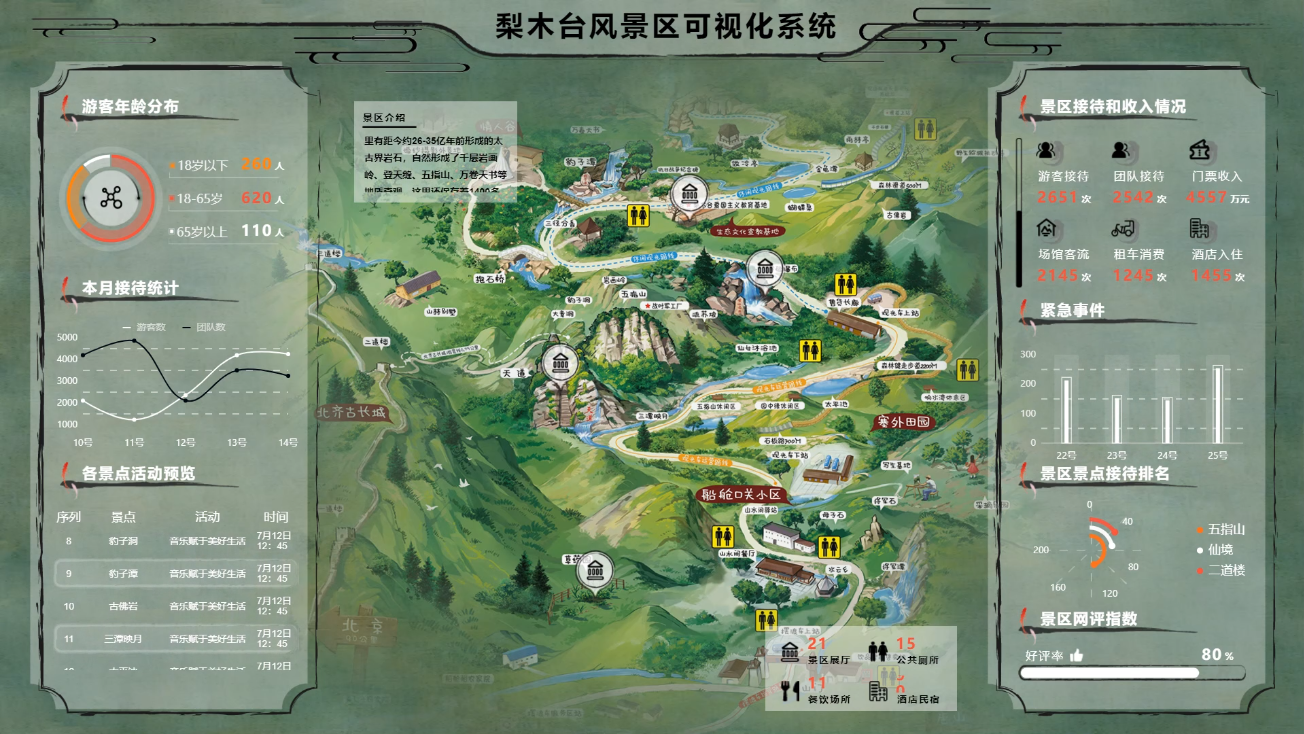
探索数据可视化,数据看板在各行业中的应用
数据可视化是一种通过图形化手段将数据呈现出来的技术,它将复杂的数据和信息转化为易于理解的图表、地图、仪表盘等视觉元素,使得数据的模式、趋势和关系更加直观地展现出来。通过数据可视化,用户可以快速识别重要信息、发现潜在问题…...

haralyzer 半自动,一次性少量数据采集快捷方法
使用场景:半自动,一次性少量数据采集需求在工作中还是不少遇到的,无论使用模拟的方式,或者破解都不太划算。其实这种需求,使用半自动爬虫是最简单的。不需要考虑网站反爬虫的问题,因为你使用的就是真实的浏…...

mall-admin-web-master前端项目下载依赖失败解决
碰壁后的总结 pythone 环境 2.XX版本,切记不要3.0以上的。node 16.x不能太高 错误案例 npm ERR! code 1 npm ERR! path D:\workspace\springBootMall\mall-admin-web-master\node_modules\node-sass npm ERR! command failed npm ERR! command C:\windows\system…...

【07】JVM是怎么实现invokedynamic的
在Java中,方法调用会被编译为invokeStatic,invokeSpecial,invokVirtual以及invokeInterface四种指令。这些指令与包含目标方法类名、方法名以及方法描述符的符号引用捆绑,在实际运行之前,JVM根据这个符号引用链接到具体…...

使用API有效率地管理Dynadot域名,查看参与的拍卖列表
前言 Dynadot是通过ICANN认证的域名注册商,自2002年成立以来,服务于全球108个国家和地区的客户,为数以万计的客户提供简洁,优惠,安全的域名注册以及管理服务。 Dynadot平台操作教程索引(包括域名邮箱&…...

Linux 基本指令讲解
linux 基本指令 clear 清屏 Alt Enter 全屏/退出全屏 pwd 显示当前用户所处路径 cd 改变目录 cd /root/mikecd … 返回上级目录cd - 返回最近所处的路径cd ~ 直接返回当前用户自己的家目 roor 中:/root普通用户中:/home/mike mkdir 创建一个文件夹(d) …...

PRE_EMPHASIS
PRE_EMPASIS属性用于提高高频信号的信号完整性 其通过传输线遭受高频损耗。发射机 预加重(pre_EMPASIS)功能允许对某些信号驱动器进行预加重 I/O标准。 提示:发射机的预加重可以与接收机的均衡相结合,以提高 整体信号完整性。 理想…...

【QT常用技术讲解】多线程处理+全局变量处理异步事件并获取多个线程返回的结果
前言 QTableView加入勾选项后(参考【QT常用技术讲解】QTableView添加QCheckBox、QPushButton),如果支持右键菜单功能,此时就有统一执行多个异步事件,并且统一输出到界面的需求了,本篇结合多线程共享全局变量…...

数组列表中的最大距离
给定 m 个数组,每个数组都已经按照升序排好序了。现在你需要从两个不同的数组中选择两个整数(每个数组选一个)并且计算它们的距离。两个整数 a 和 b 之间的距离定义为它们差的绝对值 |a-b| 。你的任务就是去找到最大距离 示例 1:…...

C语言新手小白详细教程(7)指针和指针变量
希望文章能够给到初学的你一些启发~ 如果觉得文章对你有帮助的话,点赞 关注 收藏支持一下笔者吧~ 阅读指南: 开篇说明1、指针的定义接下来我们用图示的形式来解释一下 指针:2、申明指针变量3、取地址符 &4、为指针…...

Kafka保证消息不丢失
Kafka保证消息不丢失 生产者发送消息到Broker丢失 设置异步发送 回调方法中的参数Exception e如果为空 代表发送成功,如果不为空代表发送失败出现异常 消息在Broker中丢失 kafka集群中存在分区机制 分区中分为leader和follower副本 leader负责读写,而follower只负责数据…...

数据结构+基数排序算法
一、问题描述 实现英文单词按字典序排列的基数排序算法 编写一个程序,采用基数排序方法将一组英文单词按字典顺序排 列。假设单词均由小写字母或空格构成,最长的单词有 MaxLen 个 字母,用相关数据进行测试并输出各趟的排序结果。 用例&#…...

C++ list【常用接口、模拟实现等】
1. list的介绍及使用 1.1 list的介绍 1.list是可以在常数范围内在任意位置进行插入和删除的序列式容器,并且该容器可以前后双向迭代。 2.list的底层是双向链表结构,双向链表中每个元素存储在互不相关的独立节点中,在节点中通过指针指向其前…...

终极指南:Windows平台APK安装器如何让安卓应用无缝运行
终极指南:Windows平台APK安装器如何让安卓应用无缝运行 【免费下载链接】APK-Installer An Android Application Installer for Windows 项目地址: https://gitcode.com/GitHub_Trending/ap/APK-Installer 在Windows电脑上运行安卓应用曾经是一个技术难题&am…...

【人生底稿 28】新疆出差终章:几番波折终汇报,尽兴踏归津门路
三日游玩尽数落幕,忙碌工作正式回归。轻松的闲暇时光悄然收尾,紧绷的工作状态再次上线。整趟新疆之行,在起伏辗转中迎来最终收尾。一、深夜复盘材料,彻夜待汇报游玩结束回到酒店,我没有松懈休息,静下心重新…...

进化算法驱动机械爪设计优化:从原理到EvoClaw项目实践
1. 项目概述与核心价值最近在GitHub上看到一个挺有意思的项目,叫“EvoClaw”。光看这个名字,可能有点摸不着头脑,但点进去一看,发现这是一个关于“进化算法驱动的机械爪设计优化”的开源项目。简单来说,就是利用计算机…...

NVIDIA Profile Inspector深度解析:解锁显卡隐藏性能的实战指南
NVIDIA Profile Inspector深度解析:解锁显卡隐藏性能的实战指南 【免费下载链接】nvidiaProfileInspector 项目地址: https://gitcode.com/gh_mirrors/nv/nvidiaProfileInspector 你是否曾为游戏卡顿而烦恼?是否觉得显卡性能总差那么一点&#x…...
)
【限时公开】后印象派专属--ar 16:9 --style raw --stylize 800参数组合包(含塞尚构图/修拉点彩/劳特累克动态线共12套已验证prompt模板)
更多请点击: https://intelliparadigm.com 第一章:后印象派艺术精神与Midjourney风格迁移的本质逻辑 后印象派并非对印象派的简单延续,而是对主观表达、结构重构与象征张力的自觉回归——梵高旋转的星云、塞尚凝练的几何体、高更原始的色域&…...

Token工厂:从“卖流量”到“卖Token”:中国移动砸百亿建Token生态,三大运营商的AI战争升级,阿里,百度,华为,字节跟进
5月9日,2026移动云大会上,中国移动市场经营部总经理邱宝华扔出一个新概念——"Token运营体系"。未来3-5年,中国移动将投入百亿级Token生态资源,建设千亿级算力基础设施,携手共创万亿级AI产业价值。"百亿…...

使用mcp-maker快速构建AI工具调用服务器:从协议原理到工程实践
1. 项目概述与核心价值最近在折腾AI应用开发,特别是想给大语言模型(LLM)装上更强大的“手脚”,让它能直接操作我电脑上的各种软件和工具。这听起来很酷,对吧?但实际操作起来,你会发现一个核心痛…...

基于Docker部署OpenOffice无头服务实现文档自动化处理
1. 项目概述与核心价值最近在折腾文档处理自动化流程,发现很多老项目或者特定场景下,对Office文档的兼容性要求极高,尤其是那些需要处理.doc、.xls、.ppt等老格式的场景。直接用现代办公套件(比如LibreOffice)去处理&a…...

符号链接批量管理工具 linko:声明式配置与自动化实践
1. 项目概述与核心价值最近在折腾一些自动化脚本和工具链,发现一个挺有意思的仓库:monsterxx03/linko。乍一看这个名字,你可能会有点懵,这到底是干嘛的?是链接管理工具,还是某种网络代理的客户端࿱…...

【ElevenLabs情绪模拟技术白皮书】:基于2,147小时情感语音标注数据集的11类基础情绪迁移模型验证报告
更多请点击: https://intelliparadigm.com 第一章:ElevenLabs情绪模拟技术白皮书概述 ElevenLabs的情绪模拟技术并非简单调节音高或语速,而是基于多模态情感表征学习(Multimodal Affective Representation Learning, MARL&#x…...