
排序输入的高效霍夫曼编码 | 贪心算法 3
前面我们讲到了 贪心算法的哈夫曼编码规则,原理图如下:
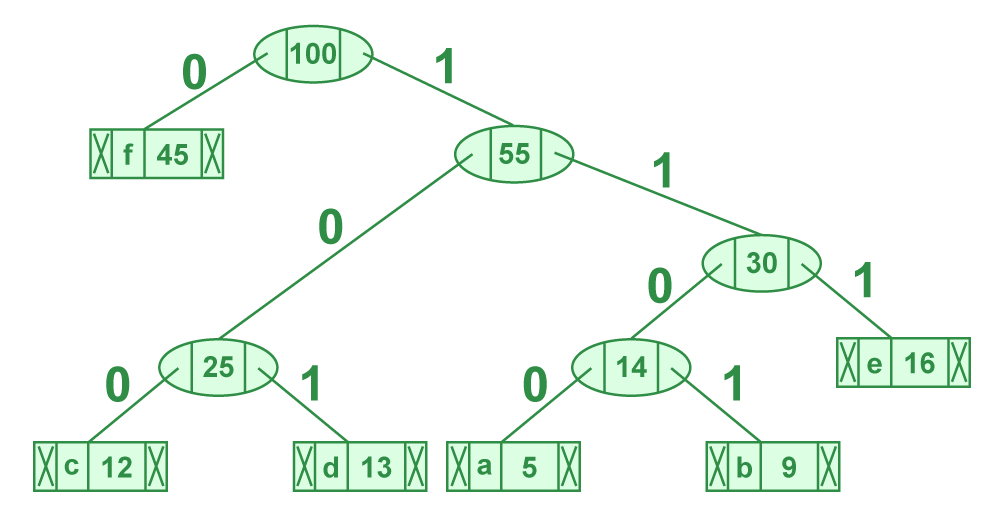
如果我们知道给定的数组已排序(按频率的非递减顺序),我们可以在 O(n) 时间内生成霍夫曼代码。以下是用于排序输入的 O(n) 算法。
1.创建两个空队列。
2.为每个唯一字符创建一个叶节点,并按频率非降序将其入队到第一个队列。最初第二个队列是空的。
3.通过检查两个队列的前端以最小频率使两个节点出队。重复以下步骤两次
1. 如果第二个队列为空,则从第一个队列中出队。
2. 如果第一个队列为空,则从第二个队列中出队。
3. 否则,比较两个队列的前端并将最小值出队。
4.创建一个新的内部节点,其频率等于两个节点频率的总和。将第一个 Dequeued 节点作为其左子节点,将第二个 Dequeued 节点作为右子节点。将此节点排入第二个队列。
5.当队列中有多个节点时,重复步骤#3 和#4。剩下的节点是根节点,树就完成了。
// C++ Program for Efficient Huffman Coding for Sorted input
#include <bits/stdc++.h>
using namespace std;// This constant can be avoided by explicitly
// calculating height of Huffman Tree
#define MAX_TREE_HT 100// A node of huffman tree
class QueueNode {
public:char data;unsigned freq;QueueNode *left, *right;
};// Structure for Queue: collection
// of Huffman Tree nodes (or QueueNodes)
class Queue {
public:int front, rear;int capacity;QueueNode** array;
};// A utility function to create a new Queuenode
QueueNode* newNode(char data, unsigned freq)
{QueueNode* temp = new QueueNode[(sizeof(QueueNode))];temp->left = temp->right = NULL;temp->data = data;temp->freq = freq;return temp;
}// A utility function to create a Queue of given capacity
Queue* createQueue(int capacity)
{Queue* queue = new Queue[(sizeof(Queue))];queue->front = queue->rear = -1;queue->capacity = capacity;queue->array = new QueueNode*[(queue->capacity* sizeof(QueueNode*))];return queue;
}// A utility function to check if size of given queue is 1
int isSizeOne(Queue* queue)
{return queue->front == queue->rear&& queue->front != -1;
}// A utility function to check if given queue is empty
int isEmpty(Queue* queue) { return queue->front == -1; }// A utility function to check if given queue is full
int isFull(Queue* queue)
{return queue->rear == queue->capacity - 1;
}// A utility function to add an item to queue
void enQueue(Queue* queue, QueueNode* item)
{if (isFull(queue))return;queue->array[++queue->rear] = item;if (queue->front == -1)++queue->front;
}// A utility function to remove an item from queue
QueueNode* deQueue(Queue* queue)
{if (isEmpty(queue))return NULL;QueueNode* temp = queue->array[queue->front];if (queue->front== queue->rear) // If there is only one item in queuequeue->front = queue->rear = -1;else++queue->front;return temp;
}// A utility function to get from of queue
QueueNode* getFront(Queue* queue)
{if (isEmpty(queue))return NULL;return queue->array[queue->front];
}/* A function to get minimum item from two queues */
QueueNode* findMin(Queue* firstQueue, Queue* secondQueue)
{// Step 3.a: If first queue is empty, dequeue from// second queueif (isEmpty(firstQueue))return deQueue(secondQueue);// Step 3.b: If second queue is empty, dequeue from// first queueif (isEmpty(secondQueue))return deQueue(firstQueue);// Step 3.c: Else, compare the front of two queues and// dequeue minimumif (getFront(firstQueue)->freq< getFront(secondQueue)->freq)return deQueue(firstQueue);return deQueue(secondQueue);
}// Utility function to check if this node is leaf
int isLeaf(QueueNode* root)
{return !(root->left) && !(root->right);
}// A utility function to print an array of size n
void printArr(int arr[], int n)
{int i;for (i = 0; i < n; ++i)cout << arr[i];cout << endl;
}// The main function that builds Huffman tree
QueueNode* buildHuffmanTree(char data[], int freq[],int size)
{QueueNode *left, *right, *top;// Step 1: Create two empty queuesQueue* firstQueue = createQueue(size);Queue* secondQueue = createQueue(size);// Step 2:Create a leaf node for each unique character// and Enqueue it to the first queue in non-decreasing// order of frequency. Initially second queue is emptyfor (int i = 0; i < size; ++i)enQueue(firstQueue, newNode(data[i], freq[i]));// Run while Queues contain more than one node. Finally,// first queue will be empty and second queue will// contain only one nodewhile (!(isEmpty(firstQueue) && isSizeOne(secondQueue))) {// Step 3: Dequeue two nodes with the minimum// frequency by examining the front of both queuesleft = findMin(firstQueue, secondQueue);right = findMin(firstQueue, secondQueue);// Step 4: Create a new internal node with frequency// equal to the sum of the two nodes frequencies.// Enqueue this node to second queue.top = newNode('$', left->freq + right->freq);top->left = left;top->right = right;enQueue(secondQueue, top);}return deQueue(secondQueue);
}// Prints huffman codes from the root of Huffman Tree. It
// uses arr[] to store codes
void printCodes(QueueNode* root, int arr[], int top)
{// Assign 0 to left edge and recurif (root->left) {arr[top] = 0;printCodes(root->left, arr, top + 1);}// Assign 1 to right edge and recurif (root->right) {arr[top] = 1;printCodes(root->right, arr, top + 1);}// If this is a leaf node, then it contains one of the// input characters, print the character and its code// from arr[]if (isLeaf(root)) {cout << root->data << ": ";printArr(arr, top);}
}// The main function that builds a Huffman Tree and print
// codes by traversing the built Huffman Tree
void HuffmanCodes(char data[], int freq[], int size)
{// Construct Huffman TreeQueueNode* root = buildHuffmanTree(data, freq, size);// Print Huffman codes using the Huffman tree built// aboveint arr[MAX_TREE_HT], top = 0;printCodes(root, arr, top);
}// Driver code
int main()
{char arr[] = { 'a', 'b', 'c', 'd', 'e', 'f' };int freq[] = { 5, 9, 12, 13, 16, 45 };int size = sizeof(arr) / sizeof(arr[0]);HuffmanCodes(arr, freq, size);return 0;
}// This code is contributed by rathbhupendra
Output:
f: 0
c: 100
d: 101
a: 1100
b: 1101
e: 111
QueueNode结构题代表哈夫曼的树结构
Queue的结构:集合霍夫曼树节点(或QueueNodes)
函数newNode:一个用于创建新Queuenode的实用函数
函数deQueue:从队列中删除项目的实用函数
函数HuffmanCodes:构建霍夫曼树并打印的主要函数代码通过遍历构建的霍夫曼树
函数printCodes:从霍夫曼树的根部打印霍夫曼代码。它使用arr[]存储代码
函数buildHuffmanTree:构建霍夫曼树的主要功能
- 步骤1:创建两个空队列
- 步骤2:为每个唯一的字符创建一个叶节点和在非递减队列中将它排到第一个队列频率的顺序。最初第二个队列为空。当队列包含多个节点时运行。最后,第一个队列为空,第二个队列为空只包含一个节点
- 步骤3:从队列中取出最小的两个节点通过检查两个队列的前面
- 步骤4:创建一个新的内部节点等于两个节点频率的和。将该节点加入第二个队列。
java代码实现如下:
// JavaScript program for the above approach// Class for the nodes of the Huffman tree
class QueueNode {
constructor(data = null, freq = null, left = null, right = null) {this.data = data;this.freq = freq;this.left = left;this.right = right;
}// Function to check if the following// node is a leaf node
isLeaf() {return (this.left == null && this.right == null);
}
}// Class for the two Queues
class Queue {
constructor() {this.queue = [];
}// Function for checking if the
// queue has only 1 node
isSizeOne() {return this.queue.length == 1;
}// Function for checking if
// the queue is empty
isEmpty() {return this.queue.length == 0;
}// Function to add item to the queue
enqueue(x) {this.queue.push(x);
}// Function to remove item from the queue
dequeue() {return this.queue.shift();
}
}// Function to get minimum item from two queues
function findMin(firstQueue, secondQueue) {// Step 3.1: If second queue is empty,
// dequeue from first queue
if (secondQueue.isEmpty()) {return firstQueue.dequeue();
}// Step 3.2: If first queue is empty,
// dequeue from second queue
if (firstQueue.isEmpty()) {return secondQueue.dequeue();
}// Step 3.3: Else, compare the front of
// two queues and dequeue minimum
if (firstQueue.queue[0].freq < secondQueue.queue[0].freq) {return firstQueue.dequeue();
}return secondQueue.dequeue();
}// The main function that builds Huffman tree
function buildHuffmanTree(data, freq, size) {
// Step 1: Create two empty queues
let firstQueue = new Queue();
let secondQueue = new Queue();// Step 2: Create a leaf node for each unique
// character and Enqueue it to the first queue
// in non-decreasing order of frequency.
// Initially second queue is empty.
for (let i = 0; i < size; i++) {firstQueue.enqueue(new QueueNode(data[i], freq[i]));
}// Run while Queues contain more than one node.
// Finally, first queue will be empty and
// second queue will contain only one node
while (!(firstQueue.isEmpty() && secondQueue.isSizeOne())) {// Step 3: Dequeue two nodes with the minimum// frequency by examining the front of both queueslet left = findMin(firstQueue, secondQueue);let right = findMin(firstQueue, secondQueue);// Step 4: Create a new internal node with// frequency equal to the sum of the two// nodes frequencies. Enqueue this node// to second queue.let top = new QueueNode("$", left.freq + right.freq, left, right);secondQueue.enqueue(top);
}return secondQueue.dequeue();
}// Prints huffman codes from the root of
// Huffman tree. It uses arr[] to store codes
function printCodes(root, arr) {// Assign 0 to left edge and recur
if (root.left) {arr.push(0);printCodes(root.left, arr);arr.pop();
}// Assign 1 to right edge and recur
if (root.right) {arr.push(1);printCodes(root.right, arr);arr.pop();
}// If this is a leaf node, then it contains
// one of the input characters, print the
// character and its code from arr[]
if (root.isLeaf()) {let output = root.data + ": ";for (let i = 0; i < arr.length; i++) {output += arr[i];}console.log(output);
}
}// The main function that builds a Huffman
// tree and print codes by traversing the
// built Huffman tree
function HuffmanCodes(data, freq, size) {// Construct Huffman Tree
let root = buildHuffmanTree(data, freq, size);// Print Huffman codes using the Huffman
// tree built above
let arr = [];
printCodes(root, arr);
}// Driver code
let arr = ["a", "b", "c", "d", "e", "f"];
let freq = [5, 9, 12, 13, 16, 45];
let size = arr.length;
HuffmanCodes(arr, freq, size);// This code is contributed by Prince Kumar
时间复杂度: O(n)
如果输入没有排序,需要先排序后才能被上面的算法处理。可以使用在 Theta(nlogn) 中运行的堆排序或合并排序来完成排序。因此,对于未排序的输入,整体时间复杂度变为 O(nlogn)。
辅助空间: O(n)
相关文章:
排序输入的高效霍夫曼编码 | 贪心算法 3
前面我们讲到了 贪心算法的哈夫曼编码规则,原理图如下: 如果我们知道给定的数组已排序(按频率的非递减顺序),我们可以在 O(n) 时间内生成霍夫曼代码。以下是用于排序输入的 O(n) 算法。1.创建两个空队列。2.为每个唯一…...

奇异值分解(SVD)和图像压缩
在本文中,我将尝试解释 SVD 背后的数学及其几何意义,还有它在数据科学中的最常见的用法,图像压缩。 奇异值分解是一种常见的线性代数技术,可以将任意形状的矩阵分解成三个部分的乘积:U、S、V。原矩阵A可以表示为&#…...

Java如何从yml文件获取对象
目录一、背景二、application.yml三、ChinaPersonFactory.java四、使用示例一、背景 在 SpringBoot 中,我们可以使用 Value 注解从属性文件(例如 application.yml 或 application.properties)中获取配置信息,但是只能获取简单的字…...
vue使用tinymce实现富文本编辑器
安装两个插件tinymce和 tinymce/tinymce-vue npm install tinymce5.10.3 tinymce/tinymce-vue5.0.0 -S 注意: tinymce/tinymce-vue 是对tinymce进行vue的包装,主要作用当作vue组件使用-S保存到package.json文件 2. 把node_modules/tinymce下的目录&a…...

yolov4实战训练数据
1、克隆项目文件 项目Github地址:https://github.com/AlexeyAB/darknet 打开终端,克隆项目 git clone https://github.com/AlexeyAB/darknet.git无法克隆的话,把https修改为git git clone git://github.com/AlexeyAB/darknet.git修改Makef…...
第十四章 DOM的Diff算法与key
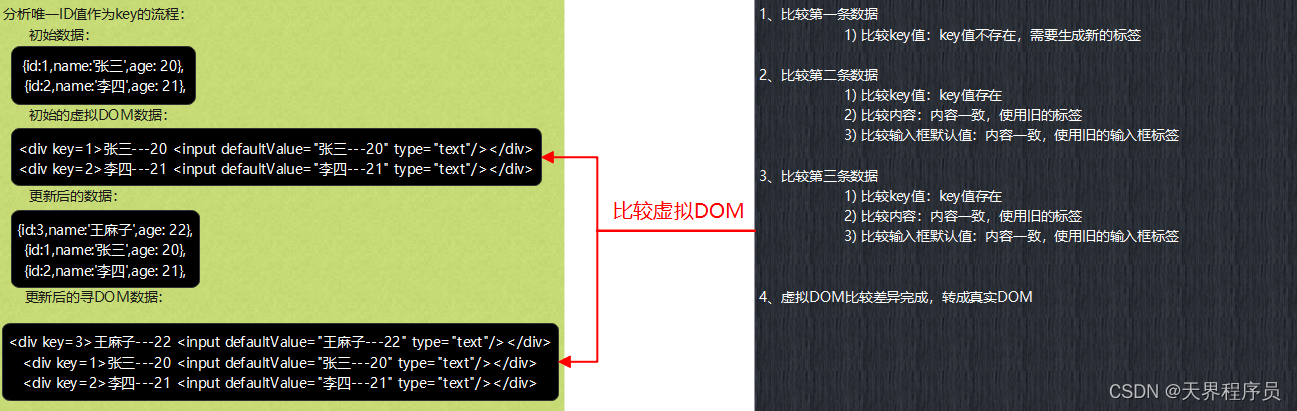
React使用Diff算法来比较虚拟DOM树和真实DOM树之间的差异,并仅更新必要的部分,以提高性能。key的作用是在Diff算法中帮助React确定哪些节点已更改,哪些节点已添加或删除。 我们以案例来说明。 使用索引值和唯一ID作为key的效果 1、使用索引…...

MySQL调优
MySQL调优常见的回答如何回答效果更好业务层的优化如果只能用mysql该如何优化代码层的优化SQL层面优化总结常见的回答 SQL层面的优化——创建索引,创建联合索引,减少回表。再有就是少使用函数查询。 回表指的是数据库根据索引(非主键&#…...
《Flutter进阶》flutter升级空安全遇到的一些问题及解决思路
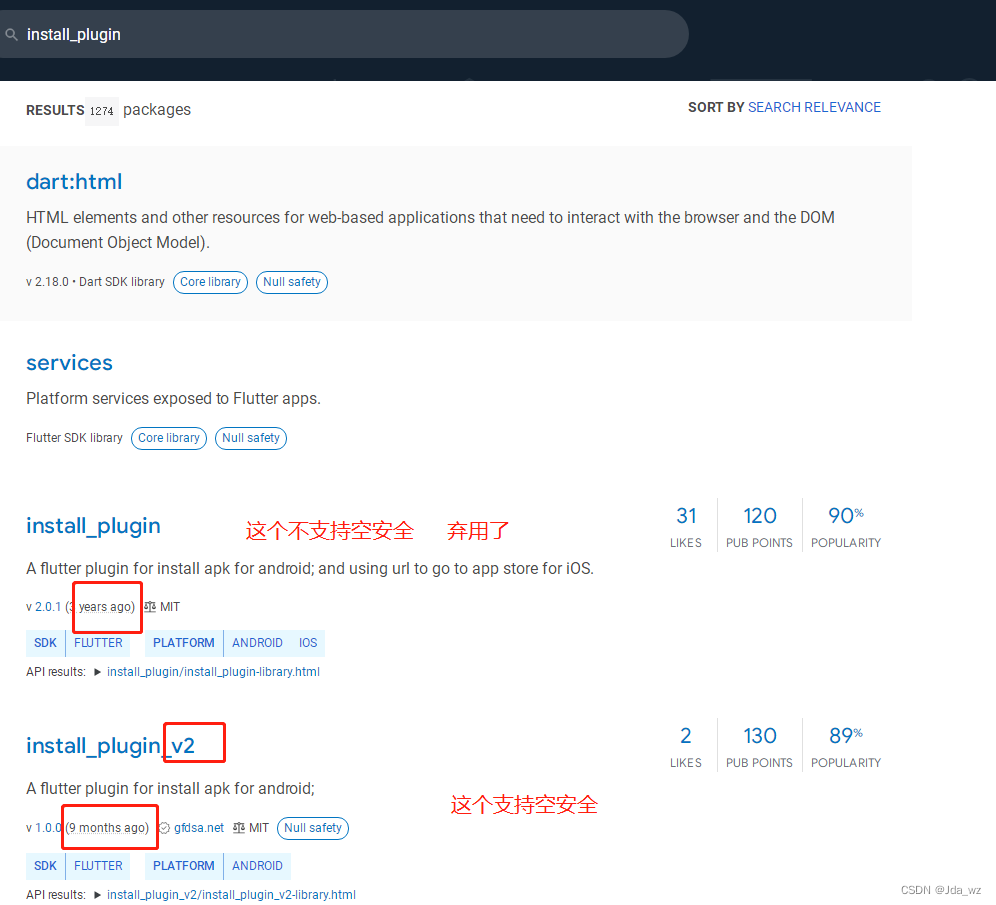
空安全出来挺久了,由于业务需求较紧,一直没时间去升级空安全,最近花了几天去升级,发现其实升级也挺简单的,不要恐惧,没有想象中的多BUG。 flutter版本从1.22.4升到3.0.5; compileSdkVersion从1…...

最值得入手的五款骨传导耳机,几款高畅销的骨传导耳机
骨传导耳机是一种声音传导方式,主要通过颅骨、骨骼把声波传递到内耳,属于非入耳式的佩戴方式。相比传统入耳式耳机,骨传导耳机不会堵塞耳道,使用时可以开放双耳,不影响与他人的正常交流。骨传导耳机不会对耳朵产生任何…...
HashMap源码分析 (1.基础入门) 学习笔记
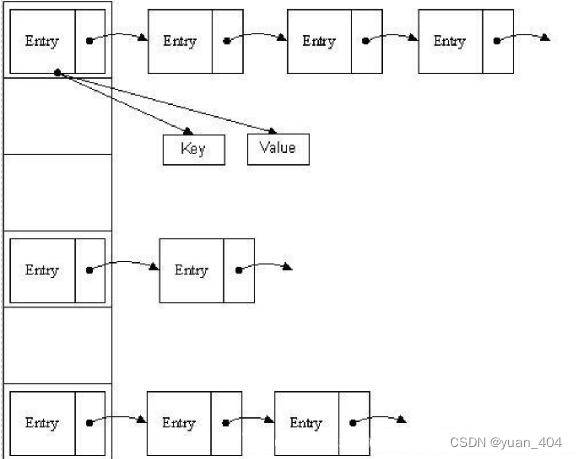
本章为 《HashMap全B站最细致源码分析课程》 拉钩教育HashMap 学习笔记 文章目录1. HashMap的数据结构1. 数组2. 链表3. 哈希表3.1 Hash1. HashMap的数据结构 数据结构中有数组和链表来实现对数据的存储,但这两者基本上是两个极端。 1. 数组 在生成数组的时候数…...

6 使用强制类型转换的注意事项
概述 在C语言中,强制类型转换是通过直接转换为特定类型的方式来实现的,类似于下面的代码。 float fNumber = 66.66f; // C语言的强制类型转换 int nData = (int)fNumber; 这种方式可以在任意两个类型间进行转换,太过随意和武断,很容易带来一些难以发现的隐患和问题。C++为…...
Leetcode.939 最小面积矩形
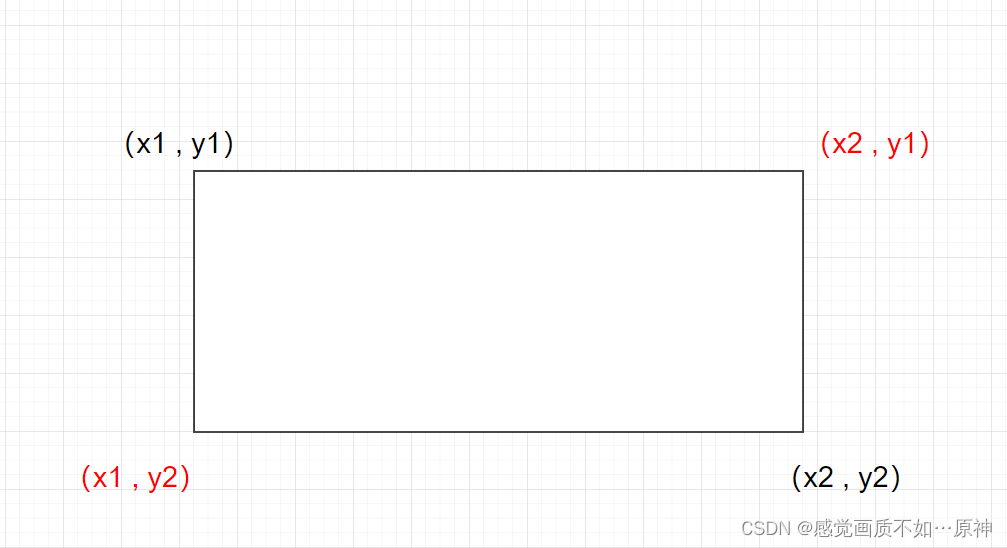
题目链接 Leetcode.939 最小面积矩形 Rating : 1752 题目描述 给定在 xy平面上的一组点,确定由这些点组成的矩形的最小面积,其中矩形的边平行于 x 轴和 y 轴。 如果没有任何矩形,就返回 0。 示例 1: 输入࿱…...
Springboot项目快速实现过滤器功能
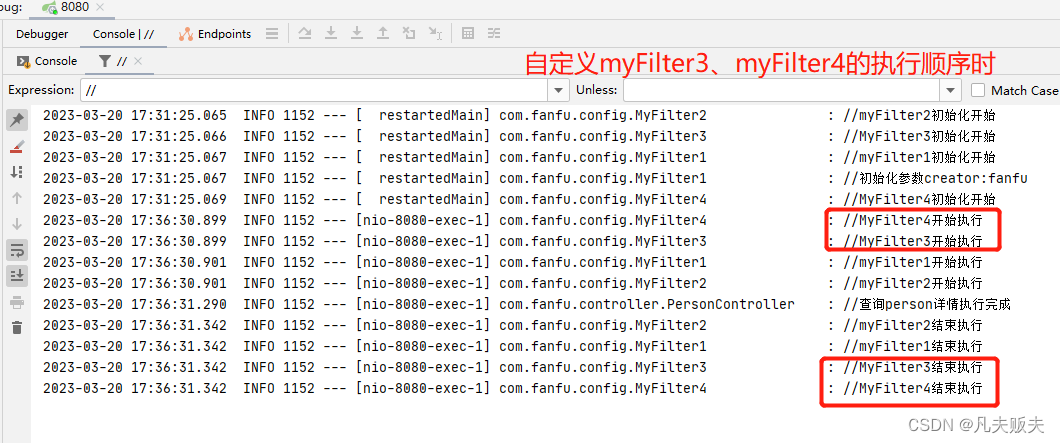
前言很多时候,当你以为掌握了事实真相的时间,如果你能再深入一点,你可能会发现另外一些真相。比如面向切面编程的最佳编程实践是AOP,AOP的主要作用就是可以定义切入点,并在切入点纵向织入一些额外的统一操作࿰…...

基于springboot的简历系统的实现
摘 要 随着科学技术的飞速发展,社会的方方面面、各行各业都在努力与现代的先进技术接轨,通过科技手段来提高自身的优势,简历系统当然也不能排除在外。简历系统是以实际运用为开发背景,运用软件工程原理和开发方法,采用…...

Vue3中watch的用法
watch函数用于侦听某个值的变化,当该值发生改变后,触发对应的处理逻辑。 一、watch的基本实例 <template><div><div>{{ count }}</div><button click"changCount">更改count的值</button></div> …...
MS python学习(18)
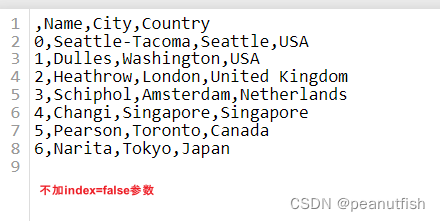
学习Pandas.DataFrame(2) load csv(comma seperated variable) files to DataFrame and vice versa upload csv files read/write csv files load data into jupyter notebook, create a new folder and then upload the csv files into it. (CSV comma seperated variable)…...

java笔记
前言 以下是一名java初学者在自学过程中所整理的笔记,欢迎大家浏览并留言,若有错误的地方请大家指正。 java语言特性 简单性:相对于其他编程语言而言,java较为简单,例如:java不再支持多继承,C…...

对象的构造及初始化
目录 一、如何初始化对象 二、构造方法 1.概念 2.特性 三、默认初始化 四、就地初始化 总结 一、如何初始化对象 在Java方法内部定义一个局部变量的时候,我们知道必须要进行初始化。 public class Test4 {public static void main(String[] args) {//未初始化…...

Socket 读取数据
1. Socket 配置参数中添加 1.1 读取 Socket 字节时的字节序 1.2 读取数据时,单次读取最大缓存值 1.3 从 Socket 读取数据时,遵从的数据包结构协议 1.4 服务器返回数据的最大值,防止客户端内存溢出 /*** Description: Socket 配置参数*/public…...
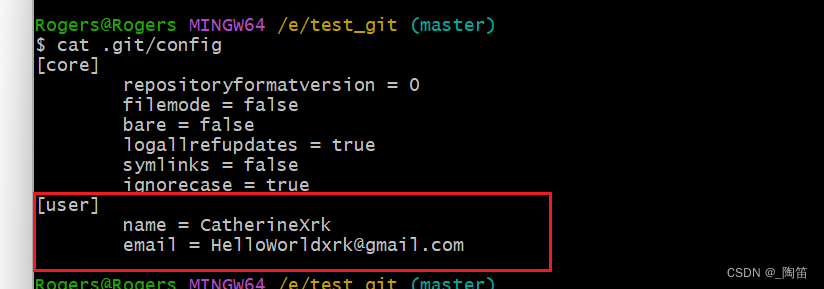
小白的Git入门教程(一)
这是本人的git的入门过程仅供参考 先是在官网下载git版本下载链接,安装步骤可以搜索其他大神的文章然后就是创建一个属于你的git本地库首先是创建一个文件夹作为根目录,这里我创建了一个叫test_git文件夹紧接着便进去新建文件夹,点击这里的g…...

Unity游戏接入TapTap登录,从后台配置到打包上线的完整避坑指南
Unity游戏接入TapTap登录的全流程避坑指南:从配置到上线的实战经验 在独立游戏开发领域,TapTap平台凭借其庞大的用户基础和便捷的登录系统,已成为许多开发者的首选接入方案。然而,从后台配置到最终打包上线的完整流程中࿰…...

VHD2VL终极指南:5分钟快速将VHDL转换为Verilog的免费工具
VHD2VL终极指南:5分钟快速将VHDL转换为Verilog的免费工具 【免费下载链接】vhd2vl 项目地址: https://gitcode.com/gh_mirrors/vh/vhd2vl 在FPGA和ASIC设计领域,VHDL转Verilog是许多工程师面临的共同挑战。手动转换不仅耗时费力,还容…...

Boss直聘职位数据自动化采集:Python爬虫架构设计与工程实践
1. 项目概述与核心价值最近在技术社区里,看到不少朋友在讨论一个叫longsizhuo/BossZhiPin_Job_Search的项目。光看名字,你大概就能猜到,这是一个跟“Boss直聘”和“职位搜索”相关的自动化工具。作为一个在招聘数据分析和自动化领域摸爬滚打了…...

终极指南:如何为PotPlayer配置百度翻译插件实现实时字幕翻译
终极指南:如何为PotPlayer配置百度翻译插件实现实时字幕翻译 【免费下载链接】PotPlayer_Subtitle_Translate_Baidu PotPlayer 字幕在线翻译插件 - 百度平台 项目地址: https://gitcode.com/gh_mirrors/po/PotPlayer_Subtitle_Translate_Baidu PotPlayer_Sub…...

如何快速解密网易云NCM文件:终极免费转换工具指南
如何快速解密网易云NCM文件:终极免费转换工具指南 【免费下载链接】ncmdumpGUI C#版本网易云音乐ncm文件格式转换,Windows图形界面版本 项目地址: https://gitcode.com/gh_mirrors/nc/ncmdumpGUI 你是否在网易云音乐下载了喜欢的歌曲,…...

Seraphine:英雄联盟智能BP助手与战绩查询工具完整指南
Seraphine:英雄联盟智能BP助手与战绩查询工具完整指南 【免费下载链接】Seraphine 英雄联盟战绩查询工具 项目地址: https://gitcode.com/gh_mirrors/se/Seraphine 在英雄联盟的对局中,BP(禁选英雄)阶段往往是决定胜负的关…...

基于MCP协议构建AI金融数据可视化服务器:从原理到实战部署
1. 项目概述:一个为AI智能体提供实时金融数据可视化的MCP服务器最近在折腾AI智能体(Agent)的生态,发现一个挺有意思的痛点:当你想让AI帮你分析股票、基金或者加密货币时,它往往只能给你干巴巴的数字和文字描…...

Go语言构建开发者命令行工具箱:navis项目架构与实现解析
1. 项目概述:一个为开发者打造的“导航”工具箱最近在GitHub上看到一个挺有意思的项目,叫navis,作者是NaveenBuidl。光看名字,你可能会联想到“导航”或者“航行”,没错,这个项目的核心定位就是一个为开发者…...

基于CircuitPython与NeoPixel打造可编程LED亚克力灯牌:从硬件选型到代码实现
1. 项目概述:打造你的专属可编程光之铭牌在创客和电子爱好者的世界里,总有一些项目能完美地融合软件编程的灵活性与硬件制作的实体成就感。今天要分享的,就是这样一个让我爱不释手的小玩意儿:一个基于CircuitPython和NeoPixel的可…...

番茄小说下载器终极指南:3分钟打造你的私人数字图书馆
番茄小说下载器终极指南:3分钟打造你的私人数字图书馆 【免费下载链接】fanqienovel-downloader 下载番茄小说 项目地址: https://gitcode.com/gh_mirrors/fa/fanqienovel-downloader 你是否曾在深夜追更小说时,突然发现网络连接中断?…...