
Oracle DBMS_XPLAN包
DBMS_XPLAN 包的解释和关键点
DBMS_XPLAN 包是 Oracle 数据库中一个重要的工具,它允许数据库管理员和开发人员以各种方式显示 SQL 语句的执行计划,这对于 SQL 优化和性能诊断至关重要。以下是主要函数及其描述:
用于显示执行计划的主要函数
- display
-
- 目的: 显示存储在指定计划表中的执行计划。
- 参数:
-
-
table_name(默认值'PLAN_TABLE'): 计划表的名称。statement_id(可选): 标识 SQL 语句的 ID。format(默认值'TYPICAL'): 输出计划的格式。filter_preds(可选): 用于过滤计划表内容的谓词。
-
- display_cursor
-
- 目的: 显示当前或最后执行的 SQL 语句的执行计划。
- 参数:
-
-
sql_id(可选): 指定 SQL 语句的sql_id。cursor_child_no(默认值0): 指定游标的子号。format(默认值'TYPICAL'): 输出计划的格式。
-
- display_awr
-
- 目的: 显示存储在 AWR(自动工作负载库)中的执行计划。
- 参数:
-
-
sql_id: 指定 SQL 语句的sql_id。plan_hash_value(可选): 指定特定的执行计划。db_id(可选): 指定特定数据库的 ID。format(默认值'TYPICAL'): 输出计划的格式。
-
- display_sqlset
-
- 目的: 显示存储在 SQL 调优集中 SQL 语句的执行计划。
- 参数:
-
-
sqlset_name: SQL 调优集的名称。sql_id: 指定 SQL 语句的sql_id。plan_hash_value(可选): 指定特定的执行计划。format(默认值'TYPICAL'): 输出计划的格式。sqlset_owner(可选): SQL 调优集的拥有者,默认是当前用户。
-
- display_sql_plan_baseline
-
- 目的: 显示 SQL 计划基线中的执行计划。
- 参数:
-
-
sql_handle(可选): 标识 SQL 语句的句柄。plan_name(可选): 指定特定计划的名称。format(默认值'TYPICAL'): 输出计划的格式。
-
内部使用的私有函数和过程
这些函数和过程用于内部用途,主要用于数据准备和格式验证,不需要公开文档。
- prepare_records: 准备记录的内部过程。
- validate_format: 验证用户格式的内部函数。
- format_size, format_number: 格式化数字和大小的函数。
- format_time_s: 格式化时间(秒)的函数。
- prepare_plan_xml_query: 为查询构建 XML 版本的辅助函数。
- build_plan_xml: 生成 XML 版本的执行计划。
- display_plan: 以 CLOB 格式返回执行计划。
比较执行计划的支持函数
这些函数用于比较不同执行计划,通常返回任务 ID,供后续报告生成使用。
- diff_plan_outline: 比较两个通过指定轮廓生成的 SQL 计划。
- diff_plan: 比较参考计划和目标计划。
- diff_plan_sql_baseline: 比较 SQL 计划基线中的两个计划。
- diff_plan_cursor: 比较从指定游标子号生成的两个 SQL 计划。
- diff_plan_awr: 比较通过指定计划哈希值生成的两个 SQL 计划。
- get_plandiff_report_xml: 构建差异报告的 XML 版本。
示例代码
显示存储在计划表中的执行计划
SET LINESIZE 150
SET PAGESIZE 2000
SELECT * FROM TABLE(dbms_xplan.display);
显示当前或最后执行的 SQL 语句的执行计划
SET LINESIZE 150
SET PAGESIZE 2000
SELECT * FROM TABLE(dbms_xplan.display_cursor);
显示存储在 AWR 中的执行计划
SET LINESIZE 150
SET PAGESIZE 2000
SELECT t.*
FROM dba_hist_sqltext ht,TABLE(dbms_xplan.display_awr(ht.sql_id, NULL, NULL, '-PREDICATE +ALIAS')) t
WHERE ht.sql_text LIKE '%sAleS%';
函数
create or replace package dbms_xplan AUTHID CURRENT_USER as--- --------------------------------------------------------------------------- DBMS_XPLAN CONSTANTS SECTION--- --------------------------------------------------------------------------- The following constants designate the flags returned in the bit vector--- from the COMPARE_QUERY_PLANS function.UNKNOWN_DIFF_CLASS CONSTANT NUMBER := POWER(2,31);--- --------------------------------------------------------------------------- DBMS_XPLAN PUBLIC FUNCTIONS SECTION--- ------------------------------------------------------------------------------ OVERVIEW------ This package defines several table functions which can be used to--- display execution plans.------ - DISPLAY is generally used to display the execution plan produced--- by an EXPLAIN PLAN command; you can either display the most--- recent explained statement, or the statement for a specific--- statement id.------ In addition, this table function can also be used to display--- any plan (with or without statistics) stored in a table as--- long as the columns of this table are named the same as--- columns of the plan_table (or v$sql_plan_statistics_all if--- statistics are included).--- A predicate on the specified table can be used to select rows--- of the plan to display.------ - DISPLAY_CURSOR displays the execution plans for one or several--- cursors in the shared SQL area, depending on a filter--- criteria. It can display the plan for the last executed--- statement, the current (if session is active) or last--- executed statement (if session is inactive) of a specific--- session, or all cursors matching an arbitrary criteria--- defined via SQL. In addition to the explain plan, various--- plan statistics (e.g. io, memory and timing) can be--- reported (based on the v$sql_plan_statistics_all views).------ Specific cursors are identified by SQL_ID and optionally a--- SQL_CHILD_NUMBER.------ The DEFAULT without any parameters shows the last executed--- statement of the session.------ NOTE: To use the DISPLAY_CURSOR functionality, the calling--- user must have SELECT privilege on V$SQL_PLAN_STATISTICS_ALL,--- V$SQL, and V$SQL_PLAN. By default, only the select_catalog--- role has the SELECT privilege on these views.------ - DISPLAY_AWR displays the execution plans for SQL statements stored in--- the Automatic Workload Repository (AWR).--- NOTE: To use the DISPLAY_AWR functionality, the calling user--- must have SELECT prvilege on DBA_HIST_SQL_PLAN and--- DBA_HIST_SQLTEXT. By default, select privilige for these--- views is granted to the select_catalog role.------ - DISPLAY_SQLSET displays the execution plans for SQL statements stored--- in a SQL tuning set.--- NOTE: To use the DISPLAY_SQLSET functionality, the calling--- user must have SELECT prvilege on ALL_SQLSET_PLANS and--- ALL_SQLSET_STATEMENTS. By default, select privilige for these--- views is granted to the public role.------ - DISPLAY_SQL_PLAN_BASELINE displays one or more execution plans for--- the specified sql_handle of a SQL statement. If plan_name is--- specified denoting a single plan then that plan is displayed.--- The plan information stored in the SQL management base is--- used to generate and display the plan. It is possible that--- the stored plan id may not match up with the plan id of the-- generated plan. A plan id mismatch means that the stored plan--- is not reproducible. Such a plan is deemed invalid by the--- optimizer and ignored when the corresponding SQL statement is-- compiled and a cursor is built. When plan id mismatch occurs--- a note saying 'the plan is invalid' is shown in the notes--- section of the plan.--- NOTE: To use DISPLAY_SQL_PLAN_BASELINE function, the calling--- user must have SELECT prvilege on DBA_SQL_PLAN_BASELINES--- view. By default, SELECT privilege on this view is granted--- to the SELECT_CATALOG_ROLE.--------- For example:--- To show the last explained statement--- explain plan for select ename, deptno--- from emp e, dept d--- where e.deptno = d.deptno;--- select * from table(dbms_xplan.display);------ To show the last executed statement of your session--- select * from table(dbms_xplan.display_cursor);------ See more detailed examples below------ SECURITY------ The execution privilege on this package is granted to PUBLIC.--- The display procedures of this package are run under the caller--- security.--------- PROCEDURES AND FUNCTIONS------ function display(table_name varchar2 default 'PLAN_TABLE',--- statement_id varchar2 default null,--- format varchar2 default 'TYPICAL',--- filter_preds varchar2 default null)------ - table_name:--- specifies the table name where the plan is stored. This--- parameter defaults to "PLAN_TABLE" which is the default--- plan table for the explain plan. If NULL is specified,--- the default of 'PLAN_TABLE' will be taken into account.--- The parameter is case insensitive.------ - statement_id:--- specifies the statement id of the plan to display. This--- parameter defaults to NULL. If no statement_id is defined,--- the most recent explained statement in <table_name> will--- be displayed, assuming that the "filter_preds" parameter is--- NULL (its default).------ - format:--- Determines what information stored in the plan will be--- shown. The format string can use the following predefined--- three formats, each representing a common use case:------ 'BASIC': Display only the minimum set of information, i.e. the--- operation id, the operation name and its option------ 'TYPICAL': This is the default. Display most information--- of the explain plan (operation id, name and option,--- #rows, #bytes and optimizer cost). Pruning,--- parallel and predicate information are only--- displayed when applicable. Excludes only PROJECTION,--- ALIAS and REMOTE SQL information (see below).------ 'ALL': Maximum user level, like typical with additional--- informations (PROJECTION, ALIAS and information about--- REMOTE SQL if the operation is distributed).------ For finer control on the display output, the following keywords--- can be added to the above three standard format to customize their--- default behavior. Each keyword either represents a logical group--- of plan table columns (e.g. PARTITION) or logical additions to the--- base plan table output (e.g. PREDICATE). Format keywords must--- be separated by either a comma or a space:------ ROWS: if relevant, shows number of rows estimated by the optimizer------ BYTES: if relevant, shows number of bytes estimated by the--- optimizer------ COST: if relevant, shows optimizer cost information------ PARTITION: If relevant, shows partition pruning information------ PARALLEL: If relevant, shows PX information (distribution method--- and table queue information)------ PREDICATE: If relevant, shows the predicate section------ PROJECTION: If relevant, shows the projection section------ ALIAS: If relevant, shows the "Query Block Name / Object Alias"--- section------ REMOTE: If relevant, shows the information for distributed query--- (e.g. remote from serial distribution and remote SQL)------ NOTE: If relevant, shows the note section of the explain plan.------ Format keywords can be prefixed by the sign '-' to exclude the--- specified information. For example, '-PROJECTION' exclude--- projection information.------ Finally, if the target plan table (see "table_name" parameter) also--- stores plan statistics columns (e.g. it is a table used to capture--- the content of the fixed view v$sql_plan_statistics_all), then--- additional format keywords can be used to specify which class of--- statistics to display. These additionnal format keywords are IOSTATS,--- MEMSTATS, ALLSTATS and LAST described along with the display_cursor()--- table function (see below).------ Example:--- - use 'ALL -PROJECTION -NOTE' to display everything except the--- projection and note sections.------ - use 'TYPICAL PROJECTION' to display using the typical format--- with the additional projection section (which is normally excluded--- under the typical format). Since typical is default, using--- simply 'PROJECTION' is equivalent.------ - use '-BYTES -COST -PREDICATE' to display using the typical--- format but excluding optimizer cost and byte estimates--- as well as the predicate section.------ - use 'BASIC ROWS' to display basic information with the--- additional number of rows estimated by the optimizer.--------- - filter_preds: SQL filter predicate(s) to restrict the set of rows--- selected from the table where the plan is stored. When--- value is NULL (the default), the plan displayed--- corresponds to the last executed explain plan.------ For example:------ filter_preds=>'plan_id = 10'------ "filter_preds" can reference any column of the table--- where the plan is stored and can contain any SQL--- construct (e.g. sub-query, function calls...).------ WARNING: Application developers should expose this--- parameter to end-users only after careful--- consideration since it could expose the application--- to SQL injection. Indeed, "filter_preds" can--- potentially reference any table or execute any server--- function for which the database user invoking the--- table function has privileges.------ --------------------------------------------------------------------------- function display_cursor(sql_id varchar2 default null,--- cursor_child_no integer default 0,--- format varchar2 default 'TYPICAL')------ - sql_id:--- specifies the sql_id value for a specific SQL statement, as--- shown in V$SQL.SQL_ID, V$SESSION.SQL_ID, or--- V$SESSION.PREV_SQL_ID. If no sql_id is specified, the last--- executed statement of the current session is shown.------ - cursor_child_no:--- specifies the child number for a specific sql cursor, as shown in--- V$SQL.CHILD_NUMBER or in V$SESSION.SQL_CHILD_NUMBER,--- V$SESSION.PREV_CHILD_NUMBER. This input parameter is only--- considered when sql_id is set.------ If not specified, all child cursors for the specified sql_id are--- displayed.------ - format:--- The format string has the same meaning as that for the regular--- display() table function (see format description above). In--- addition, the following four format keywords are introduced--- to support the various plan statistics columns available--- in v$sql_plan_statistics_all.------ These keywords can also be used by the display() table function--- assuming that the specified table has the same statistics columns--- available in v$sql_plan_statistics_all.------ IOSTATS: Assuming that basic plan statistics are--- collected when SQL statements are executed (either by--- using the gather_plan_statistics hint or by setting the--- parameter statistics_level to ALL), this format will show--- IO statistics for all (or only for the last as shown below)--- executions of the cursor.------ MEMSTATS: Assuming that PGA memory management is enabled (i.e--- pga_aggregate_target parameter is set to a non 0 value),--- this format allows to display memory management--- statistics (e.g. execution mode of the operator, how--- much memory was used, number of bytes spilled to--- disk, ...). These statistics only apply to memory--- intensive operations like hash-joins, sort or some bitmap--- operators.------ ALLSTATS: A shortcut for 'IOSTATS MEMSTATS'------ LAST: By default, plan statistics are shown for all executions of--- the cursor. The keyword LAST can be specified to see only--- the statistics for the last execution.--------- Also, the following two formats are still supported for backward--- compatibility:------ 'RUNSTATS_TOT': Same as 'IOSTATS', i.e. displays IO statistics--- for all executions of the specified cursor.--- 'RUNSTATS_LAST': Same as 'IOSTATS LAST', i.e. displays the runtime--- statistics for the last execution of the cursor.--------- PRIVILEGES:--- - To use the DISPLAY_CURSOR functionality, the calling--- user must have SELECT privilege on V$SQL_PLAN_STATISTICS_ALL,--- V$SQL, and V$SQL_PLAN, otherwise it will show an appropriate--- error message.------ - Unless used in DEFAULT mode to display the last executed--- statement, all internal SQL statements of this package and--- the calling SQL statement using this table function will be--- suppressed.------ --------------------------------------------------------------------------- function display_awr(sql_id varchar2,--- plan_hash_value integer default null,--- db_id integer default null,--- format varchar2 default 'TYPICAL')------ - sql_id:--- specifies the sql_id value for a SQL statement having its plan(s)--- stored in the AWR. You can find all stored SQL statements by--- querying DBA_HIST_SQL_PLAN.------ - plan_hash_value:--- identifies a specific stored execution plan for a SQL statement.--- Optional parameter. If suppressed, all stored execution plans are--- shown.------ - db_id:--- identifies the plans for a specific dabatase. If this parameter is--- omitted, it will be defaulted to the local database identifier.------ - format:--- The format string has the same meaning as that for the regular--- display() table function (see format description above).------ --------------------------------------------------------------------------- function display_sqlset(sqlset_name varchar2,--- sql_id varchar2,--- plan_hash_value integer default null,--- format varchar2 default 'TYPICAL',--- sqlset_owner varchar2 default null)------ - sqlset_name:--- specified the name of the SQL tuning set.------ - sql_id:--- specifies the sql_id value for a SQL statement having its plan(s)--- stored in the SQL tuning set. You can find all stored SQL--- statements by querying USER/DBA/ALL_SQLSET_PLANS or table function--- SELECT_SQLSET from package dbms_sqltune.------ - plan_hash_value:--- identifies a specific stored execution plan for a SQL statement.--- Optional parameter. If suppressed, all stored execution plans are--- shown.------ - format:--- The format string has the same meaning as that for the regular--- display() table function (see format description above).------ - sqlset_owner:--- Specifies the owner of the SQL tuning set. The default is the--- name of the current user.------ --------------------------------------------------------------------------- function display_sql_plan_baseline(--- sql_handle varchar2 default NULL,--- plan_name varchar2 default NULL,--- format varchar2 default 'TYPICAL')------ - sql_handle:--- SQL statement handle. It identifies the SQL statement whose plans--- are to be explained and displayed. If NULL then PLAN_NAME must be--- specified.--- You can find SQL plan baselines created for various SQL statements--- by querying DBA_SQL_PLAN_BASELINES catalog view.------ - plan_name:--- Plan name. It identifies a specific plan to be explained and--- displayed. Default NULL means all plans associated with identified--- SQL statement to be explained and displayed. If NULL then--- sql_handle must be specified.------ - format:--- The format string has the same meaning as that for the regular--- display() table function (see format description above).------ --------------------------------------------------------------------------- Examples DBMS_XPLAN.DISPLAY():------ 1/ display the last explain plan stored in the plan table:------ set linesize 150--- set pagesize 2000--- select * from table(dbms_xplan.display);--------- 2/ display from the plan table "my_plan_table":------ set linesize 150--- set pagesize 2000--- select * from table(dbms_xplan.display('my_plan_table'));--------- 3/ display minimum plan table:------ set linesize 150--- set pagesize 2000--- select * from table(dbms_xplan.display(null, null,'basic'));--------- 4/ display all information in plan table, excluding projection:------ set linesize 150--- set pagesize 2000--- select * from table(dbms_xplan.display(null, null,--- 'all -projection'));--------- 5/ display the plan whose statement_id is 'foo':------ set linesize 150--- set pagesize 2000--- select * from table(dbms_xplan.display('plan_table', 'foo'));--------- 6/ display statpack plan for hash_value=76725 and snap_id=245------ set linesize 150--- set pagesize 2000--- select * from table(dbms_xplan.display('stats$sql_plan', null,--- 'all', 'hash_value=76725 and snap_id=245'));------ --------------------------------------------------------------------------- Examples DBMS_XPLAN.DISPLAY_CURSOR():------ 1/ display the currently or last executed statement--- (this will also show the usage of this package)------ set linesize 150--- set pagesize 2000--- select * from table(dbms_xplan.display_cursor);--------- 2/ display the currently or last executed statement of session id 9--- (it will return 'no rows selected' for any SQL statement using--- this package)------ - Identify the sql_id and the child_number in--- a separate SQL statement and use them as parameters for--- DISPLAY_CUSRSOR()------ SQL> select prev_sql_id, prev_child_number--- from v$session where sid=9;------ PREV_SQL_ID PREV_CHILD_NUMBER--- ------------- -------------------- f98t6zufy04g5 0------ set linesize 150--- set pagesize 2000--- select *--- from table(dbms_xplan.display_cursor('f98t6zufy04g5', 0));------ - Alternatively, you can combine the two statements into one------ set linesize 150--- set pagesize 2000--- select t.*--- from v$session s,--- table(dbms_xplan.display_cursor(s.prev_sql_id,--- s.prev_child_number)) t--- where s.sid=9;------ NOTE: the table deriving the input parameters for--- DBMS_XPLAN.DISPLAY_CURSOR() must be the FIRST (left-side)--- table(s) in the select statement relative to the table function--------- 3/ display all cursors containing the case sensisitve string 'FoOoO',--- excluding SQL parsed by SYS------ set linesize 150--- set pagesize 2000--- select t.*--- from v$sql s,--- table(dbms_xplan.display_cursor(s.sql_id,--- s.child_number)) t--- where s.sql_text like '%FoOoO%' and s.parsing_user_id <> 0;--------- 4/ display all information about all cursors containing the case--- insensitive string 'FOO', including SQL parsed by SYS------ set linesize 150--- set pagesize 2000--- select t.*--- from v$sql s,--- table(dbms_xplan.display_cursor(s.sql_id,--- s.child_number, 'ALL')) t--- where upper(s.sql_text) like '%FOO%';--------- 5/ display the last executed runtime statistics for all cursors--- containing the case insensitive string 'sales', including SQL--- parsed by SYS------ set linesize 150--- set pagesize 2000--- select t.*--- from v$sql s,--- table(dbms_xplan.display_cursor(s.sql_id, s.child_number,--- 'ALLSTATS LAST')) t--- where lower(s.sql_text) like '%sales%';--------- 6/ display the aggregated runtime statistics for all cursors containing--- the case sensitive string 'sAleS' and were parsed by user SH------ set linesize 150--- set pagesize 2000--- select t.*--- from v$sql s, dba_users u,--- table(dbms_xplan.display_cursor(s.sql_id, s.child_number,--- 'RUNSTATS_TOT')) t--- where s.sql_text like '%sAleS%'--- and u.user_id=s.parsing_user_id--- and u.username='SH';------ --------------------------------------------------------------------------- Examples DBMS_XPLAN.DISPLAY_AWR():------ 1/ display all stored plans in the AWR containing--- the case sensitive string 'sAleS'. Don't display predicate--- information but add the query block name / alias section.------ set linesize 150--- set pagesize 2000--- select t.*--- from dba_hist_sqltext ht,--- table(dbms_xplan.display_awr(ht.sql_id, null, null,--- '-PREDICATE +ALIAS')) t--- where ht.sql_text like '%sAleS%';------ NOTE: the table deriving the input parameters for--- DBMS_XPLAN.DISPLAY_AWR() must be the FIRST (left-side)--- table(s) in the select statement relative to the table--- function.------ --------------------------------------------------------------------------- Examples DBMS_XPLAN.DISPLAY_SQLSET():------ 1/ display all stored plans for a given statement in the SQL tuning set--- named 'my_sts' owner by the current user (the caller).------ set linesize 150--- set pagesize 2000--- select *--- from table(dbms_xplan.display_sqlset('my_sts',--- 'gcfysssf6hykh',--- null,--- 'ALL -NOTE -PROJECTION')) t------ --------------------------------------------------------------------------- Examples DBMS_XPLAN.DISPLAY_SQL_PLAN_BASELINE():------ 1/ display all plans of a SQL statement identified by the sql handle--- 'SYS_SQL_b1d49f6074ab95af' using TYPICAL format.------ set linesize 150--- set pagesize 2000--- select t.*--- from table(dbms_xplan.display_sql_plan_baseline(--- 'SYS_SQL_b1d49f6074ab95af')) t;------ 2/ display all plans of one or more SQL statements containing the--- string 'HR2' using BASIC format.------ set linesize 150--- set pagesize 2000--- select t.*--- from (select distinct sql_handle from dba_sql_plan_baselines--- where sql_text like '%HR2%') pb,--- table(dbms_xplan.display_sql_plan_baseline(pb.sql_handle, null,--- 'basic')) t;------ NOTE: the table deriving the input parameters for--- DBMS_XPLAN.DISPLAY_SQL_PLAN_BASELINE() must be the first--- (left-side) table in the select statement relative to the--- table function.------ --------------------------------------------------------------------------- display from PLAN_TABLEfunction display(table_name varchar2 default 'PLAN_TABLE',statement_id varchar2 default null,format varchar2 default 'TYPICAL',filter_preds varchar2 default null)return dbms_xplan_type_tablepipelined;-- display from V$SQL_PLAN (or V$SQL_PLAN_STATISTICS_ALL)function display_cursor(sql_id varchar2 default null,cursor_child_no integer default 0,format varchar2 default 'TYPICAL')return dbms_xplan_type_tablepipelined;-- display from AWRfunction display_awr(sql_id varchar2,plan_hash_value integer default null,db_id integer default null,format varchar2 default 'TYPICAL')return dbms_xplan_type_tablepipelined;-- display from SQL tuning setfunction display_sqlset(sqlset_name varchar2,sql_id varchar2,plan_hash_value integer default null,format varchar2 default 'TYPICAL',sqlset_owner varchar2 default null)return dbms_xplan_type_tablepipelined;-- display from SQL plan baselinefunction display_sql_plan_baseline(sql_handle varchar2 default null,plan_name varchar2 default null,format varchar2 default 'TYPICAL')return dbms_xplan_type_tablepipelined;------------------------------------------------------------------------------ ---------------------------------------------------------------------- ---- ---- The folloing section of this package contains functions and procedures ---- which are for INTERNAL use ONLY. PLEASE DO NO DOCUMENT THEM. ---- ---- ---------------------------------------------------------------------- -------------------------------------------------------------------------------- private procedure, used internallyfunction prepare_records(plan_cur IN sys_refcursor,i_format_flags IN binary_integer)return dbms_xplan_type_tablepipelined;-- private function to validate the user format (used internally)function validate_format(hasPlanStats IN boolean,format IN VARCHAR2,format_flags OUT BINARY_INTEGER)return boolean;FUNCTION format_size(num number)RETURN varchar2;FUNCTION format_number(num number)RETURN varchar2;FUNCTION format_size2(num number)RETURN varchar2;FUNCTION format_number2(num number)RETURN varchar2;---- formats a number representing time in seconds using the format HH:MM:SS.-- This function is internal to this package--function format_time_s(num number)return varchar2;---- This is a helper function to build the XML version of the text of the-- select query that is run before the display display function to retrieve-- and display the execution plan of a SQL.-- All this function does it to wrap a given query, used to fetch a plan, by-- XML construct. The goal is to maintain ONE and SINGLE version of the XML-- format we use for the plan table.---- This function is also called by prvtspai.sql in sqltune directory.-- table_query : query to fetch plan from a plan table--FUNCTION prepare_plan_xml_query(plan_query IN VARCHAR2) -- query to fetch plan tableRETURN VARCHAR2;---- This function builds the xml version of an explain plan.-- The function queries the caller specified plan table and format the-- resulting plan lines into XML before returning them to the caller.---- table_name : name of the table or view that stores the plan-- statement_id: identifier of the sql statement in the plan table-- plan_id : identifier of the sql plan in the plan table. Currently-- used by sql replay only. SQL replay is used to produce plans-- for SQL stored in sql tuning set using plan_ids and so-- we need to be able to share the query we use to get the plans.-- format : format of the plan output. See description in-- function display-- filter_preds: predicate to filter the content of the plan table-- plan_tag : caller specified name of the root element in the plan xml-- tree. by default it is set to 'xplan'-- report_ref : optional report reference. Needed only to generate-- xml of the servelet.--function build_plan_xml(table_name in varchar2 default 'PLAN_TABLE',statement_id in varchar2 default NULL,plan_id in number default NULL,format in varchar2 default 'TYPICAL',filter_preds in varchar2 default NULL,plan_tag in varchar2 default 'plan',report_ref in varchar2 default NULL)return xmltype;---- This function returns an explain plan in a CLOB format.-- The function queries the caller specified plan table, generate the-- resulting plan lines into XML and then calls the XML reporting framework-- the produce and return the plan as a CLOB.---- table_name : name of the table or view that stores the plan-- statement_id: identifier of the sql statement in the plan table-- format : format of the plan output. See description in-- function display-- filter_preds: predicate to filter the content of the plan table-- type : type of output. Possible values are:-- TEXT (default), HTML, ACTIVE, or XML.--function display_plan(table_name in varchar2 default 'PLAN_TABLE',statement_id in varchar2 default NULL,format in varchar2 default 'TYPICAL',filter_preds in varchar2 default NULL,type in varchar2 default 'TEXT')return clob;----------------------------- diff_plan_outline ---------------------------------- This function compares two sql plans generated by the given outlines-- The job is done via a SQLDiag task and the function returns the task_id---- PARAMETERS:-- sql_text (IN) - text of the SQL statement-- outline1 (IN) - outline - for base plan-- outline2 (IN) - outline - for target plan-- user_name (IN) - the parsing schema name-- default to current user---- RETURN:-- task_id: can be used to retrieve the report of findings later------------------------------------------------------------------------------function diff_plan_outline(sql_text in clob,outline1 in clob,outline2 in clob,user_name in varchar2 := NULL)return varchar2;----------------------------- diff_plan ----------------------------------------- This function compares two sql plans-- reference plan: implicitly defined-- target plan: a plan generated by the given outline---- The job is done via a SQLDiag task and the function returns the task_id---- PARAMETERS:-- sql_text (IN) - text of the SQL statement-- outline (IN) - used to generate the target plan-- user_name (IN) - the parsing schema name-- default to current user---- RETURN:-- task_id: can be used to retrieve the report of findings later------------------------------------------------------------------------------function diff_plan(sql_text in clob,outline in clob,user_name in varchar2 := NULL)return varchar2;----------------------------- diff_plan_sql_baseline ----------------------------- This function compares two given sql plans (specified via plan_names)-- The job is done via a SQLDiag task and the function returns the task_id---- PARAMETERS:-- baseline_plan_name1 (IN) - plan name - base-- baseline_plan_name2 (IN) - plan name - target---- RETURN:-- task_id: can be used to retrieve the report of findings later------------------------------------------------------------------------------function diff_plan_sql_baseline(baseline_plan_name1 in varchar2,baseline_plan_name2 in varchar2)return varchar2;----------------------------- diff_plan_cursor ----------------------------------- This function compares two sql plans derived from the given cursor child #-- The job is done via a SQLDiag task and the function returns the task_id---- PARAMETERS:-- sql_id (IN) - sql id to specify a SQL statement-- cursor_child_num1 (IN) - child number - for base plan-- cursor_child_num2 (IN) - child number - for target plan---- RETURN:-- task_id: can be used to retrieve the report of findings later------------------------------------------------------------------------------function diff_plan_cursor(sql_id IN VARCHAR2,cursor_child_num1 IN NUMBER,cursor_child_num2 IN NUMBER)return varchar2;----------------------------- diff_plan_awr -------------------------------------- This function compares two sql plans specified by the given plan hash ids-- The job is done via a SQLDiag task and the function returns the task_id---- PARAMETERS:-- sql_id (IN) - sql id to specify a SQL statement-- plan_hash_value1 (IN) - base plan-- plan_hash_value1 (IN) - target plan---- RETURN:-- task_id: can be used to retrieve the report of findings later------------------------------------------------------------------------------function diff_plan_awr(sql_id IN VARCHAR2,plan_hash_value1 IN NUMBER,plan_hash_value2 IN NUMBER)return varchar2;--++++++++++++++++++++++++++++++++++++++++++++++++++++++++++++++++++++++++++----++++++++++++++++++++++++++++++++++++++++++++++++++++++++++++++++++++++++++---- ------------------------------------------ ---- PLAN DIFF SUPPORT FUNCTIONS ---- ------------------------------------------ ----++++++++++++++++++++++++++++++++++++++++++++++++++++++++++++++++++++++++++----++++++++++++++++++++++++++++++++++++++++++++++++++++++++++++++++++++++++++-------------------------------- get_report_xml ---------------------------------- NAME:-- get_report_xml---- DESCRIPTION:-- This function builds the entire report in XML.---- PARAMETERS:-- report_ref (IN) - the report reference string that-- identifies this report-- tid (IN) - task ID-- method (IN) - method of comparing, eg, 'outline'-- RETURN:-- the report in XML------------------------------------------------------------------------------FUNCTION get_plandiff_report_xml(report_ref IN VARCHAR2 := NULL,tid IN NUMBER,method IN VARCHAR2)RETURN XMLTYPE;end dbms_xplan;
相关文章:

Oracle DBMS_XPLAN包
DBMS_XPLAN 包的解释和关键点 DBMS_XPLAN 包是 Oracle 数据库中一个重要的工具,它允许数据库管理员和开发人员以各种方式显示 SQL 语句的执行计划,这对于 SQL 优化和性能诊断至关重要。以下是主要函数及其描述: 用于显示执行计划的主要函数…...

【ffmpeg命令入门】分离音视频流
文章目录 前言音视频交错存储概念为什么要进行音视频交错存储:为什么要分离音视频流: 去除音频去除视频 总结 前言 FFmpeg 是一款强大的多媒体处理工具,广泛应用于音视频的录制、转换和流媒体处理等领域。它支持几乎所有的音频和视频格式&am…...

小红书笔记评论采集全攻略:三种高效方法教你批量导出
摘要: 本文将深入探讨如何利用Python高效采集小红书平台上的笔记评论,通过三种实战策略,手把手教你实现批量数据导出。无论是市场分析、竞品监测还是用户反馈收集,这些技巧都将为你解锁新效率。 一、引言:小红书数据…...
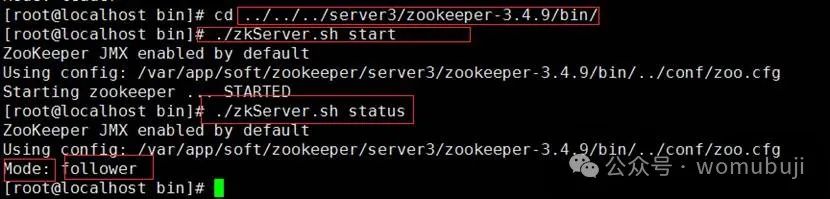
实战:ZooKeeper 操作命令和集群部署
ZooKeeper 操作命令 ZooKeeper的操作命令主要用于对ZooKeeper服务中的节点进行创建、查看、修改和删除等操作。以下是一些常用的ZooKeeper操作命令及其说明: 一、启动与连接 启动ZooKeeper服务器: ./zkServer.sh start这个命令用于启动ZooKeeper服务器…...

linux运维一天一个shell命令之 top详解
概念: top 命令是 Unix 和类 Unix 操作系统(如 Linux、macOS)中一个常用的系统监控工具,它提供了一个动态的实时视图,显示系统的整体性能信息,如 CPU 使用率、内存使用情况、进程列表等。 基本用法 root…...
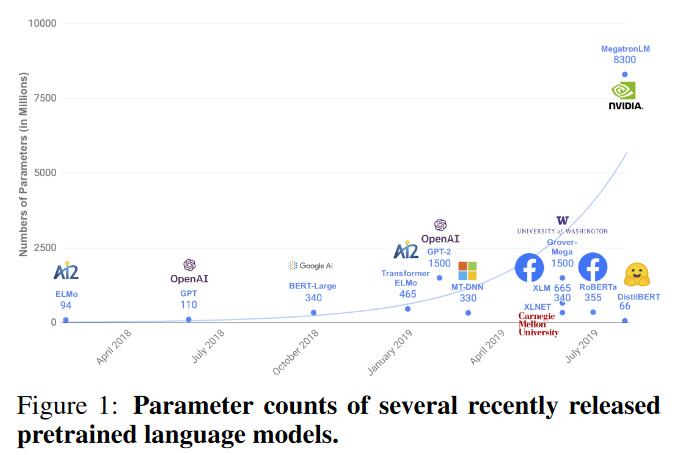
大模型微调:参数高效微调(PEFT)方法总结
PEFT (Parameter-Efficient Fine-Tuning) 参数高效微调是一种针对大模型微调的技术,旨在减少微调过程中需要调整的参数量,同时保持或提高模型的性能。 以LORA、Adapter Tuning 和 Prompt Tuning 为主的PEFT方法总结如下 LORA 论文题目:LORA:…...

Spark+实例解读
第一部分 Spark入门 学习教程:Spark 教程 | Spark 教程 Spark 集成了许多大数据工具,例如 Spark 可以处理任何 Hadoop 数据源,也能在 Hadoop 集群上执行。大数据业内有个共识认为,Spark 只是Hadoop MapReduce 的扩展(…...

WPF多语言国际化,中英文切换
通过切换资源文件的形式实现中英文一键切换 在项目中新建Language文件夹,添加资源字典(xaml文件),中文英文各一个。 在资源字典中写上想中英文切换的字符串,需要注意,必须指定key值,并且中英文…...
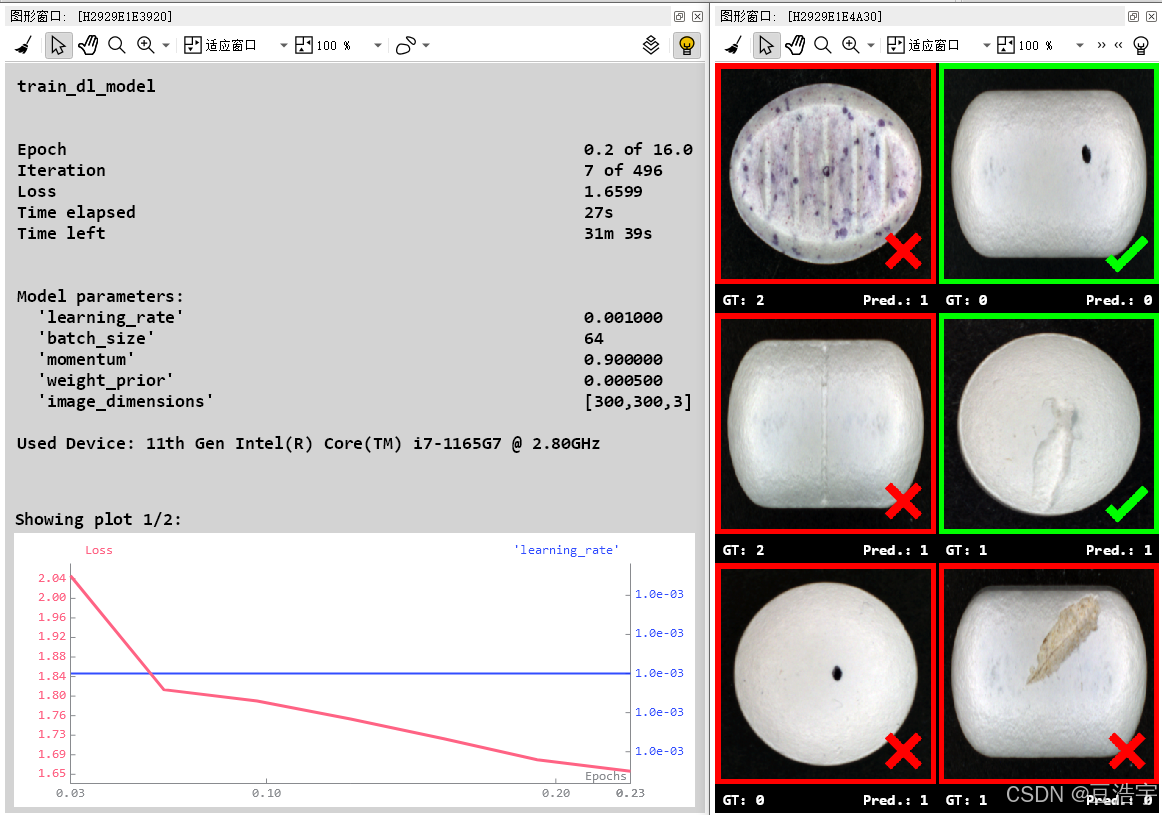
Halcon深度学习分类模型
1.Halcon20之后深度学习支持CPU训练模型,没有money买显卡的小伙伴有福了。但是缺点也很明显,就是训练速度超级慢,推理效果也没有GPU好,不过学习用足够。 2.分类模型是Halcon深度学习最简单的模型,可以用在物品分类&…...

洗地机哪种牌子好?洗地机排行榜前十名公布
洗地机市场上品牌琳琅满目,每个品牌都有其独特的魅力和优势。消费者在选择时,往往会根据自己的实际需求、预算以及对产品性能的期望来做出决策。因此,无论是哪个品牌的洗地机,只要能够满足用户的清洁需求,提供便捷的操…...

C++中的虚函数与多态机制如何工作?
在C中,虚函数和多态机制是实现面向对象编程的重要概念。 虚函数是在基类中声明的函数,可以在派生类中进行重写。当基类的指针或引用指向派生类的对象时,通过调用虚函数可以实现动态绑定,即在运行时确定要调用的函数。 多态是指通…...
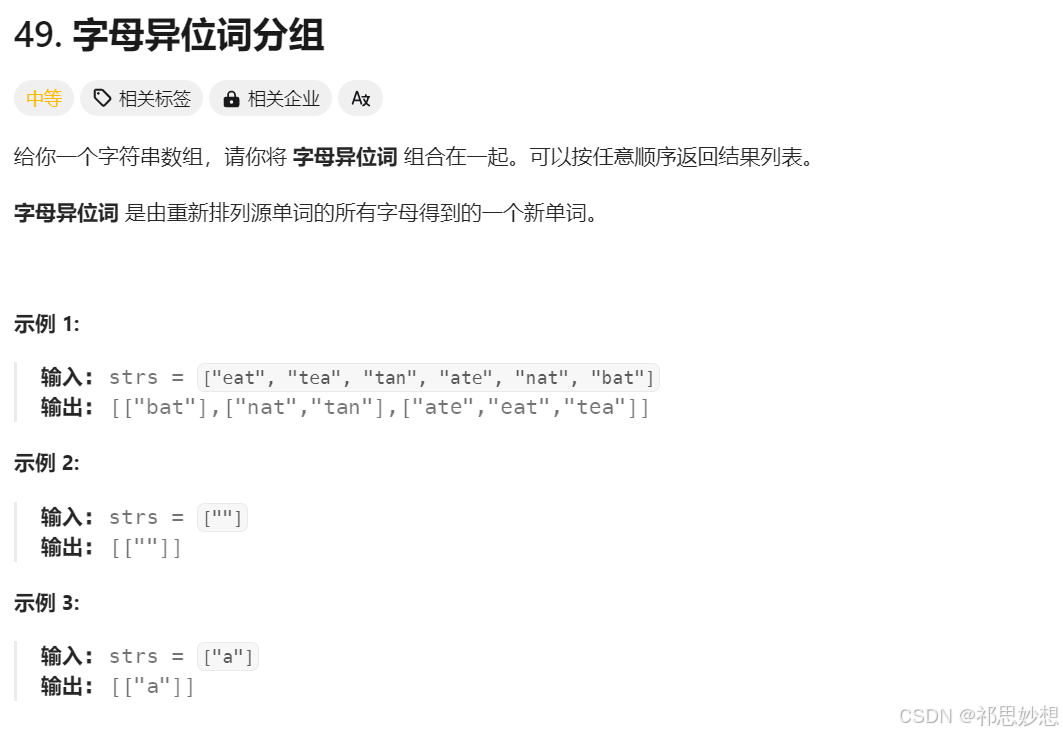
《LeetCode热题100》---<哈希三道>
本篇博客讲解 LeetCode热题100道中的哈希篇中的三道题。分别是 1.第一道:两数之和(简单) 2.第二道:字母异位词分组(中等) 3.第三道:最长连续序列(中等) 第一道࿱…...
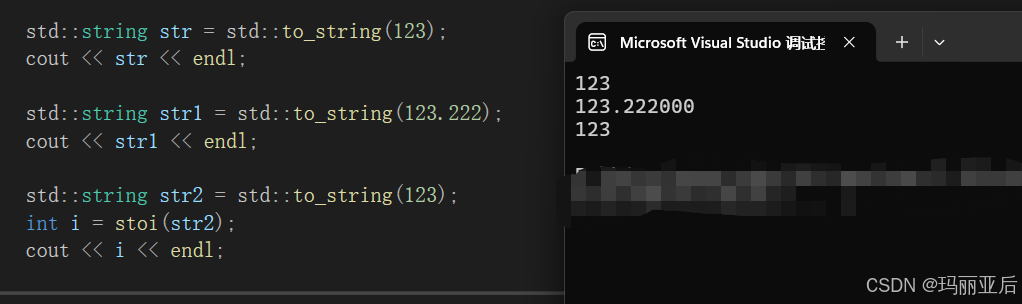
秒懂C++之string类(下)
目录 一.接口说明 1.1 erase 1.2 replace(最好别用) 1.3 find 1.4 substr 1.5 rfind 1.6 find_first_of 1.7 find_last_of 二.string类的模拟实现 2.1 构造 2.2 无参构造 2.3 析构 2.4.【】运算符 2.5 迭代器 2.6 打印 2.7 reserve扩容 …...
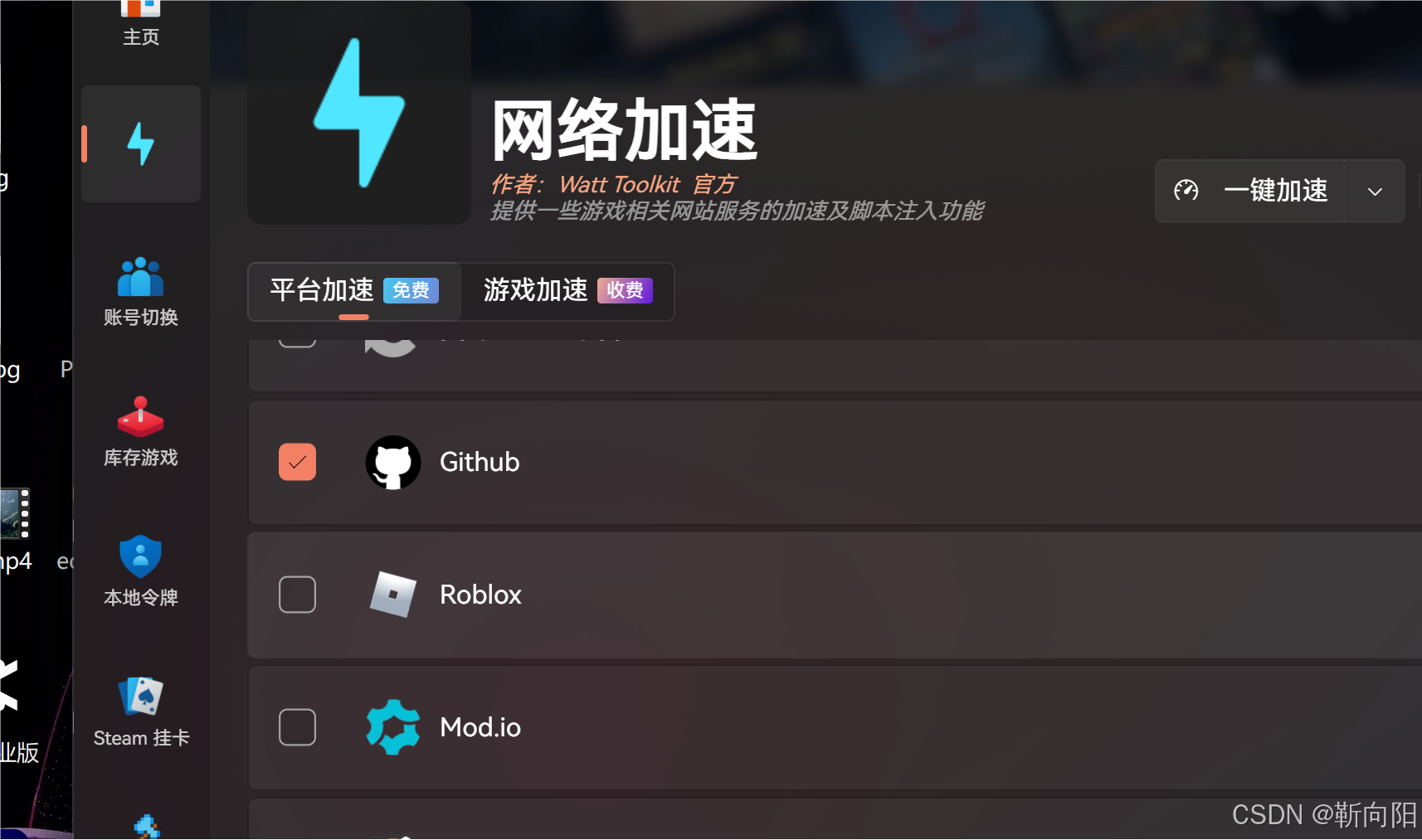
github简单地操作
1.调节字体大小 选择options 选择text 选择select 选择你需要的参数就可以了。 2.配置用户名和邮箱 桌面右键,选择git Bash Here git config --global user.name 用户名 git config --global user.email 邮箱名 3.用git实现代码管理的过程 下载别人的项目 git …...
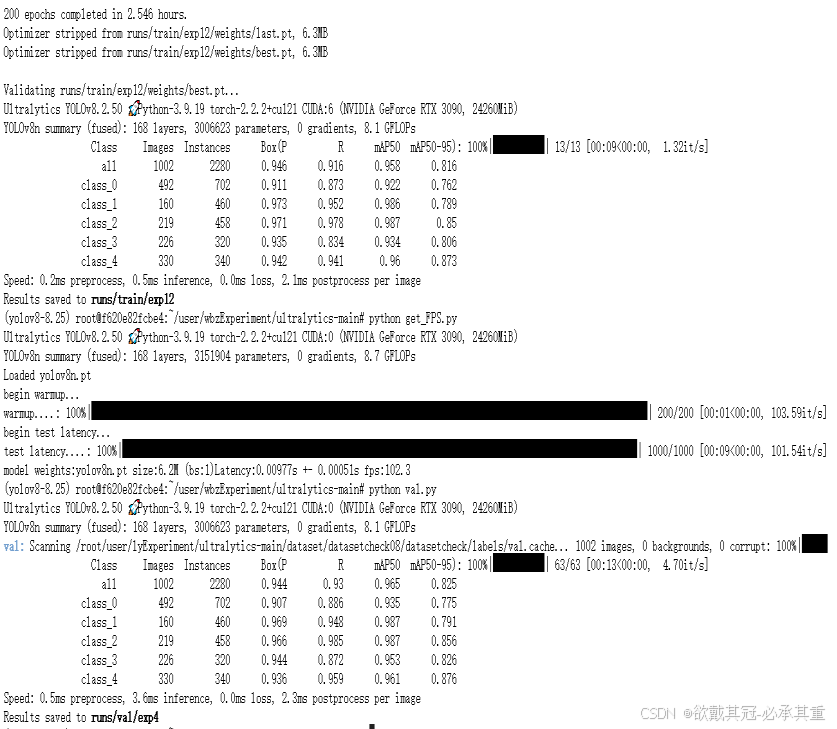
模型改进-损失函数合集
模版 第一步在哪些地方做出修改: 228行 self.use_wiseiouTrue 230行 self.wiou_loss WiseIouLoss(ltypeMPDIoU, monotonousFalse, inner_iouTrue, focaler_iouFalse) 238行 wiou self.wiou_loss(pred_bboxes[fg_mask], target_bboxes[fg_mask], ret_iouFalse…...
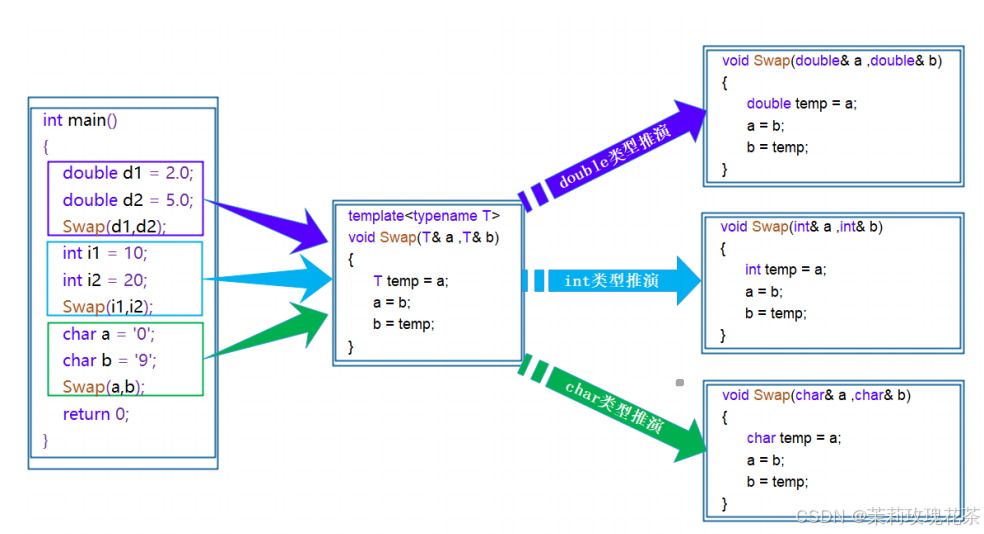
C++模板(初阶)
1.引入 在之前的笔记中有提到:函数重载(特别是交换函数(Swap)的实现) void Swap(int& left, int& right) {int temp left;left right;right temp; } void Swap(double& left, double& right) {do…...

下面关于Date类的描述错误的一项是?
下面关于Date类的描述错误的一项是? A. java.util.Date类下有三个子类:java.sql.Date、java.sql.Timestamp、java.sql.Time; B. 利用SimpleDateFormat类可以对java.util.Date类进行格式化显示; C. 直接输出Date类对象就可以取得日…...

【Python面试题收录】Python编程基础练习题①(数据类型+函数+文件操作)
本文所有代码打包在Gitee仓库中https://gitee.com/wx114/Python-Interview-Questions 一、数据类型 第一题(str) 请编写一个Python程序,完成以下任务: 去除字符串开头和结尾的空格。使用逗号(","&#…...
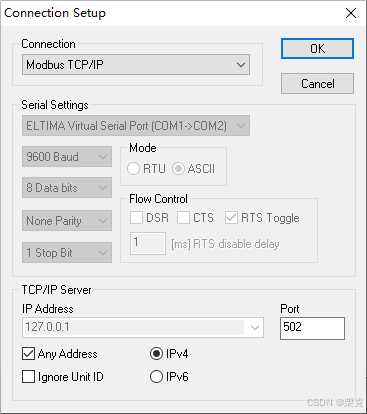
C# Nmodbus,EasyModbusTCP读写操作
Nmodbus读写 两个Button控件分别为 读取和写入 分别使用控件的点击方法 ①引用第三方《NModbus4》2.1.0版本 全局 public SerialPort port new SerialPort("COM2", 9600, Parity.None, 8, (StopBits)1); ModbusSerialMaster master; public Form1() port.Open();…...

spark常用参数调优
目录 1.set spark.grouping.sets.reference.hivetrue;2.set spark.locality.wait.rack0s3.set spark.locality.wait0s;4.set spark.executor.memoryOverhead 2G;5.set spark.sql.shuffle.partitions 1000;6.set spark.shuffle.file.buffer 256k7. set spark.reducer.maxSizeInF…...
)
SAP资产主数据批量修改避坑大全:GGB1替代+AR31工作清单配置详解(含日期字段特殊处理)
SAP资产主数据批量修改实战指南:从GGB1替代到AR31工作清单全流程解析 当财务团队需要对上千条资产记录进行成本中心迁移时,手工修改不仅效率低下,还容易产生数据不一致。SAP系统提供的GGB1替代规则与AR31工作清单组合方案,正是解决…...

终极指南:掌握JSON-BigInt解决JavaScript大整数精度丢失问题
终极指南:掌握JSON-BigInt解决JavaScript大整数精度丢失问题 【免费下载链接】json-bigint JSON.parse/stringify with bigints support 项目地址: https://gitcode.com/gh_mirrors/js/json-bigint 在JavaScript开发中,你是否遇到过处理大整数时精…...

SaaS级AI员工系统源码商用版,多租户+计费系统+API分销,一套源码搞定
温馨提示:文末有资源获取方式最近“龙虾AI”的热度居高不下,到处都在讨论如何“养龙虾”。但观察下来发现,这类应用对普通用户而言技术门槛还是偏高,部署、配置、调试都需要专人跟进,最终往往沦为摆设。源码获取方式在…...

从源码到上架:手把手教你用Android Studio打包绿豆TVBox APK,并修改Logo、启动图和包名
从零打造个性化TV应用:Android Studio深度定制指南 在流媒体内容消费爆发的时代,拥有一个专属的影视聚合平台成为许多技术爱好者的追求。绿豆TVBox这类开源项目为开发者提供了快速入门的跳板,但真正实现个性化部署需要跨越从源码编译到定制化…...
)
手把手教你用51单片机实现蓝牙+WiFi双模控制智能小车(附OLED显示速度)
从零构建51单片机智能小车:双模无线控制与速度显示实战指南 引言 想象一下,当你坐在沙发上,用手机就能遥控一台自制的小车在房间里自由穿梭,同时还能实时查看它的行驶速度——这种极客般的体验其实并不遥远。基于51单片机的智能…...

【离线无忧】PyAutoGUI内网环境高效安装指南
1. 为什么需要离线安装PyAutoGUI? 最近接手了一个自动化测试项目,需要在完全隔离的内网环境中部署PyAutoGUI。刚开始觉得这不过是个普通的Python包,直到发现服务器连pip都跑不通时才意识到问题的严重性。这种场景在企业开发中其实非常常见—…...

零基础养龙虾:OpenClaw部署从入门到上手,一篇讲透!
2026年,OpenClaw(昵称 “龙虾”)凭借 “能真正动手干活” 的核心能力,成为开源AI Agent领域的顶流。它不仅能像ChatGPT一样聊天,更能自主操作电脑——整理文件、控制浏览器、发送邮件、甚至调用硬件设备。因其图标酷似…...
)
告别手动画框!OrCAD Capture 快速创建复合封装(附电源/地引脚处理技巧)
高效创建OrCAD复合封装的进阶技巧与避坑指南 在PCB设计流程中,原理图封装的创建往往是项目前期最耗时的环节之一。尤其是面对多通道运放、复杂电源管理芯片或模块化器件时,传统的手动绘制方式不仅效率低下,还容易因引脚属性设置不当导致后续D…...

OpenClaw多用户方案:QwQ-32B共享环境下的权限隔离
OpenClaw多用户方案:QwQ-32B共享环境下的权限隔离 1. 为什么需要多用户方案? 去年我在家里搭建了一个OpenClaw自动化环境,原本只是个人使用。直到某天家人看到我用语音指令让AI自动整理照片、生成周报后,纷纷要求"共享&quo…...

Untrunc:10倍速视频修复工具,让损坏的MP4/MOV文件起死回生
Untrunc:10倍速视频修复工具,让损坏的MP4/MOV文件起死回生 【免费下载链接】untrunc Restore a truncated mp4/mov. Improved version of ponchio/untrunc 项目地址: https://gitcode.com/gh_mirrors/un/untrunc 你是否曾经因为视频文件损坏而失去…...